In brief
Recent auction outrage prompts Naga tribes to intensify calls for the return of ancestral remains, with symbolic and cultural implications tied to their history and identity.
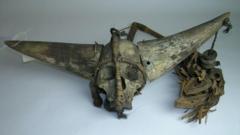
The Naga tribes of India are intensifying their efforts to reclaim ancestral skulls and remains taken during the colonial period, following a shocking incident in which a 19th-Century skull from Nagaland was placed up for auction in the UK. Ellen Konyak, a member of the Naga Forum for Reconciliation (NFR), expressed her distress over the sale, emphasizing the insensitivity of auctioning human remains in modern times.The auction house, known as The Swan at Tetsworth, had included the Naga skull among thousands of colonial-era items, alongside unique artifacts from other cultures, which sparked outrage among Naga scholars and community leaders. The chief minister of Nagaland condemned the auction as “dehumanising,” and after significant backlash, the auction house withdrew the skull from sale.This incident has reignited a long-standing call among Naga people for the repatriation of their cultural heritage, with an estimated 50,000 Naga artifacts currently held in UK museums and private collections. Prior conversations surrounding the ethical implications of such collections have gained momentum, with experts acknowledging a shift towards returning remains to their communities of origin.Pitt Rivers Museum in Oxford, which holds the largest collection of Naga artifacts, has previously returned items to indigenous groups, and their policy reflects a broader reevaluation of the ethical treatment of human remains. However, the process of repatriation is fraught with complexities, including legal and historical research, alongside sensitivity to the spiritual beliefs of the Naga people.Longkumer, part of the NFR-led initiative “Recover, Restore, and Decolonise,” underscores the importance of reconciling emotional aspects intertwined with the repatriation of human remains. The group focuses on raising awareness within Naga communities, with many elders unaware of the existence of these ancestral remains abroad and expressing concerns over the implications for the spirits of their ancestors.This push for repatriation is not solely a matter of logistics; it resonates with the Naga people's desire to reclaim their history, traditions, and cultural narratives. Konyak highlights the significance of bringing these remains back home as an act of respect for their ancestors and a step towards cultural restitution. As discussions on the future of repatriated remains continue, the Naga people's identity and heritage remain at the forefront.