In brief
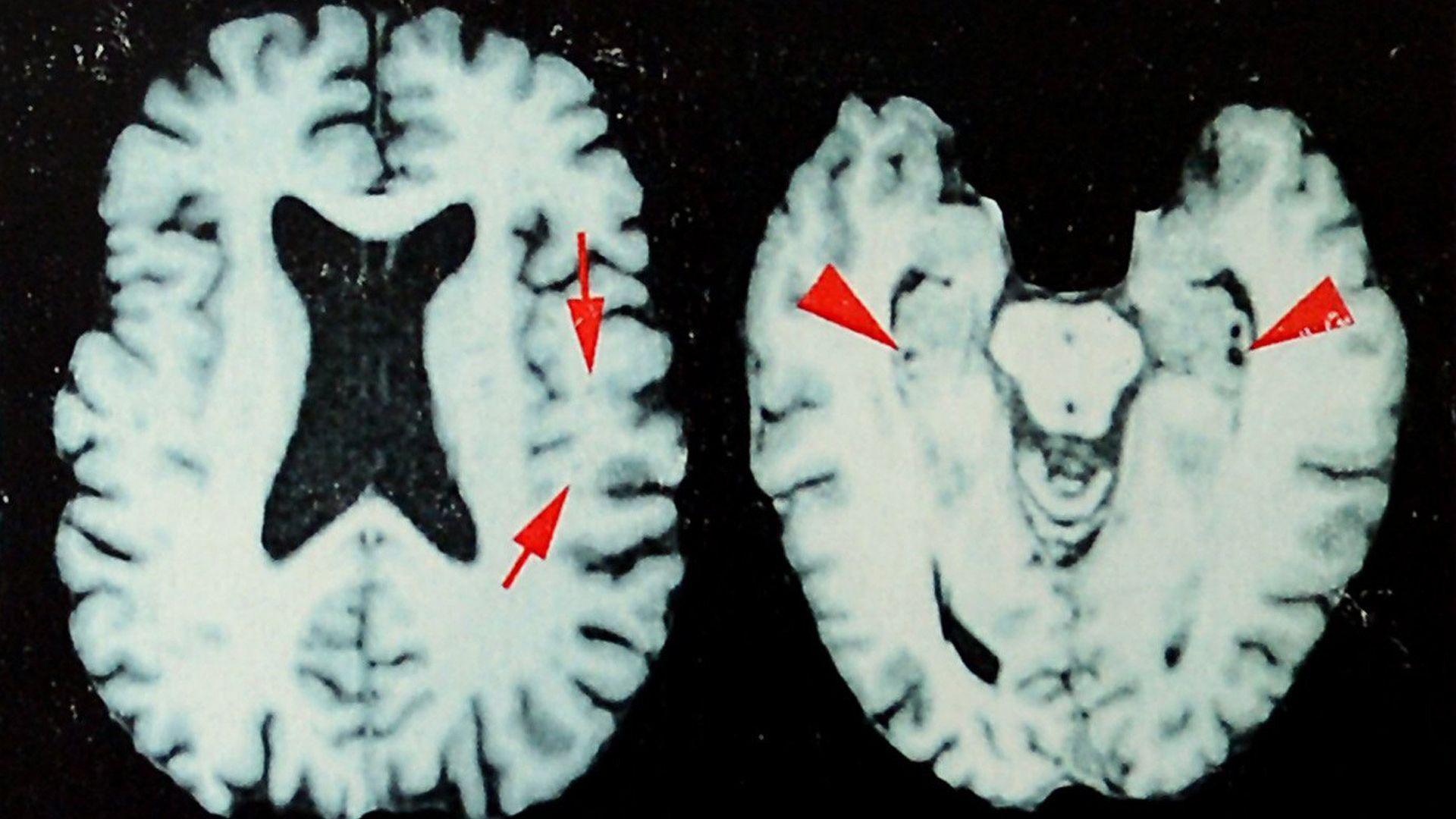
Researchers examined 878 former NFL players who died during a six‑year period, with 235 brain donations. 215 of those donors carried chronic traumatic encephalopathy (CTE), a degenerative brain disease linked to repeated head blows. The study reports a conservative minimum prevalence of 24.5% and a maximum of 97.7%. The findings suggest that neurodegenerative disease deaths in NFL players are at least four times higher than in the general population. With most head impacts occurring at college, high‑school, and youth levels, the study urges the NFL to intensify preventive measures across all levels of the sport.
Scientists have unveiled startling new data on the prevalence of chronic traumatic encephalopathy (CTE) among former National Football League (NFL) players who passed away between 2016 and 2021. According to the study, as many as 97.7 % of these athletes could have suffered from brain disease linked to repeated blows to the head.
The research examined 878 former players who died during the six‑year window. Of those, 235 brains were donated to the NFL CTE Center and subsequently examined. A staggering 215 of the donated brains – roughly 91 % – displayed the pathological markers of CTE.
Lead author Daniel Daneshvar, an associate professor at Harvard Medical School, emphasized that the risk of neurodegenerative death in ex‑players is “about four times higher” than in the general population. The study therefore indicates that the prevalence of CTE at death has been far higher than earlier community‑based research suggested.
Daneshvar also explained that “the bulk of the head impacts that these former NFL players experienced didn’t occur at the NFL level.” Instead, most hits accumulated in college, high‑school and youth play, underscoring the cumulative danger of repeated subconcussive strikes.
The study calculated a "conservative minimum" prevalence of 24.5 % – rising to a "maximum" 97.7 % among deceased players. The researchers have called on the league to tighten prevention measures across all levels of competition.
In response, an NFL spokesperson noted that the organization is continuously working to make the sport safer. "We remain committed to providing a robust set of resources to protect the physical and mental wellbeing of the NFL community," the spokesperson said, urging former players to use those resources for early detection and treatment.
CTE has become a pressing issue in American football. In 2011 the NFL T‑Bargained Agreement capped contact practices, and in 2016 the league settled a class action lawsuit for $1 billion with over 5 000 former players.
Key Takeaway: The new research points to a very high prevalence of brain disease among deceased NFL veterans, providing further impetus for stricter safety protocols and better protective equipment across all football levels.