The U.S. military recently initiated a controversial campaign against drug smuggling operations in international waters, drawing congressional scrutiny. A strike on September 2 resulted in the deaths of two individuals who were clinging to the wreckage of a boat alleged to be carrying drugs. Lawmakers are now questioning the legal justifications of President Trump’s military actions as well as their alignment with international law. Over 20 vessels have been targeted in this campaign, leading to more than 80 fatalities.
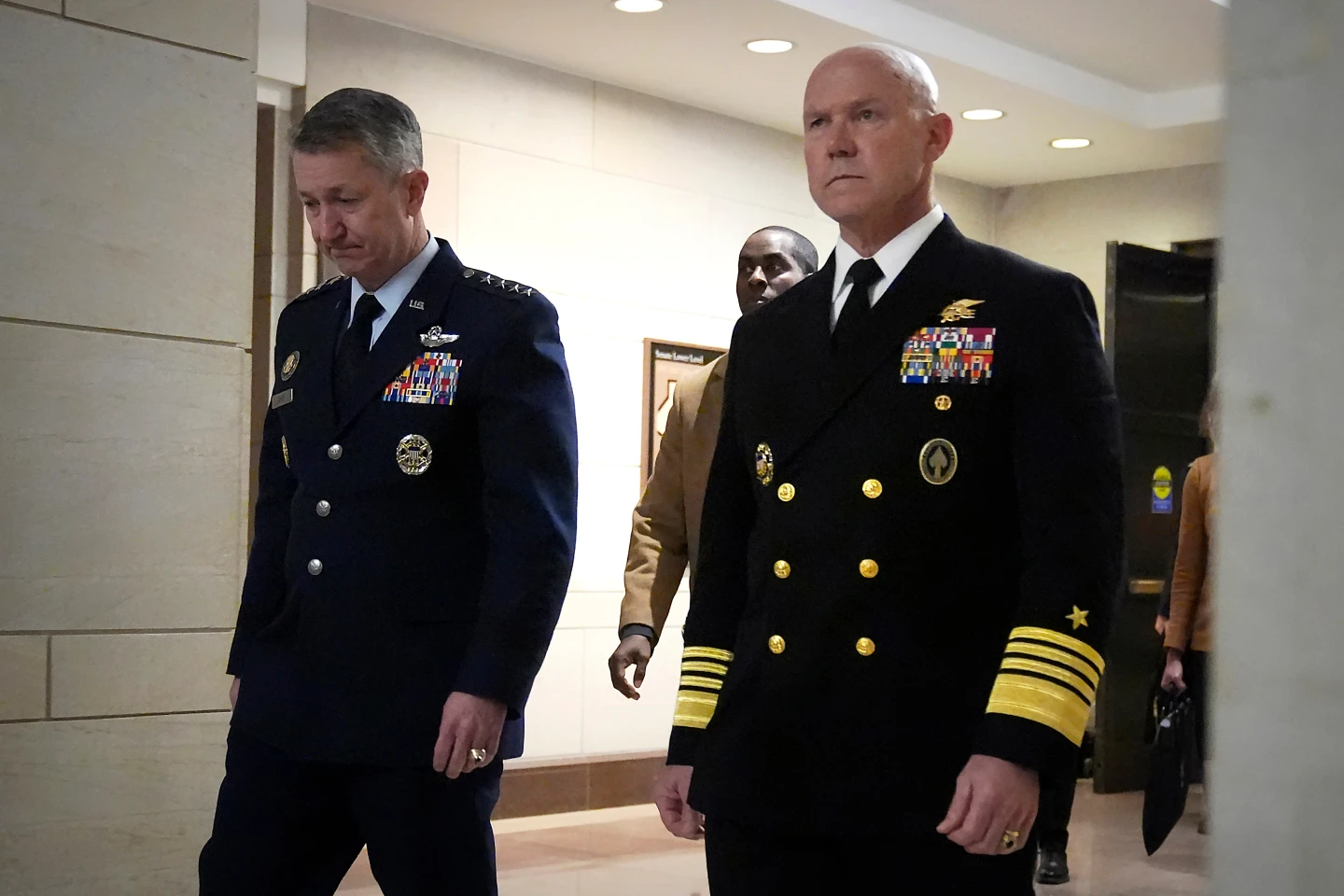
During a recent briefing, Adm. Frank 'Mitch' Bradley, who ordered the strikes, clarified that there wasn’t a 'kill them all' order from Defense Secretary Pete Hegseth. However, lawmakers expressed deep concerns regarding the military's operational rationale, fearing potential violations of armed conflict laws.
The second attack on the wreckage was justified by Bradley to prevent the recovery of the drugs by adversaries. Lawmakers are particularly troubled by the administration’s classification of drug traffickers as terrorist threats, thereby broadening the operational grounds for military engagement beyond traditional law enforcement jurisdiction.
The evolving legal framework, alongside the call for transparency regarding the Trump administration's official legal opinions, has sparked debate on the appropriateness of lethal force against suspected terrorists in the context of drug trafficking. Lawmakers demand clarity in operational directives following revelations that military lawyers had limited access to pertinent legal opinions during the operation.
This unfolding scenario highlights a crucial juncture for the U.S. military, testing established laws of engagement under the current administration, with implications for U.S.-Venezuela relations and the definition of military targets. "additional_info": { "author": "Metaworld News", "date": "October 3, 2023" }
During a recent briefing, Adm. Frank 'Mitch' Bradley, who ordered the strikes, clarified that there wasn’t a 'kill them all' order from Defense Secretary Pete Hegseth. However, lawmakers expressed deep concerns regarding the military's operational rationale, fearing potential violations of armed conflict laws.
The second attack on the wreckage was justified by Bradley to prevent the recovery of the drugs by adversaries. Lawmakers are particularly troubled by the administration’s classification of drug traffickers as terrorist threats, thereby broadening the operational grounds for military engagement beyond traditional law enforcement jurisdiction.
The evolving legal framework, alongside the call for transparency regarding the Trump administration's official legal opinions, has sparked debate on the appropriateness of lethal force against suspected terrorists in the context of drug trafficking. Lawmakers demand clarity in operational directives following revelations that military lawyers had limited access to pertinent legal opinions during the operation.
This unfolding scenario highlights a crucial juncture for the U.S. military, testing established laws of engagement under the current administration, with implications for U.S.-Venezuela relations and the definition of military targets. "additional_info": { "author": "Metaworld News", "date": "October 3, 2023" }