In brief
Last week, the US and Japan coordinated a currency intervention to halt the yen’s slide to a 40‑year low, a move highlighted as the first joint intervention since 2011. Both the Japanese Ministry of Finance and US Treasury confirmed a plug‑in for future coordinated actions, aiming to offset volatility that could impact global markets. The Bank of Japan reportedly sold around $59 bn of US dollars to buy yen in New York, while the US Treasury’s notepad suggested a $5‑10 bn purchase. Analysts claim the joint intervention signals a strong partnership and deters speculative attacks. With high global inflation and diverging interest rates, the yen’s weakness remains a key concern for policymakers and investors alike.
The United States and Japan announced a coordinated currency intervention last week to curb the yen’s steep decline, marking the first joint action by the two economies since 2011.
"We strongly support Japan's decisive market and monetary steps to correct the substantial undervaluation of the yen," the US Treasury Secretary Scott Bessent said on social media.
Soon after the intervention, the yen fell to a 40‑year low of around 164 USD/JPY. Treasury officials indicated a purchase of $5‑10 bn of yen, while Japan's Ministry of Finance reported a $59 bn sale of dollars in New York markets just days before the joint move.
Economic analysts point out that the yen’s weakness stems largely from Japan’s comparatively low interest rates and its need to import energy priced in dollars. The Bank of Japan recently raised its core rate to 1 %—the highest since 1995—yet still trails the US Federal Reserve’s 3.50–3.75 % band.
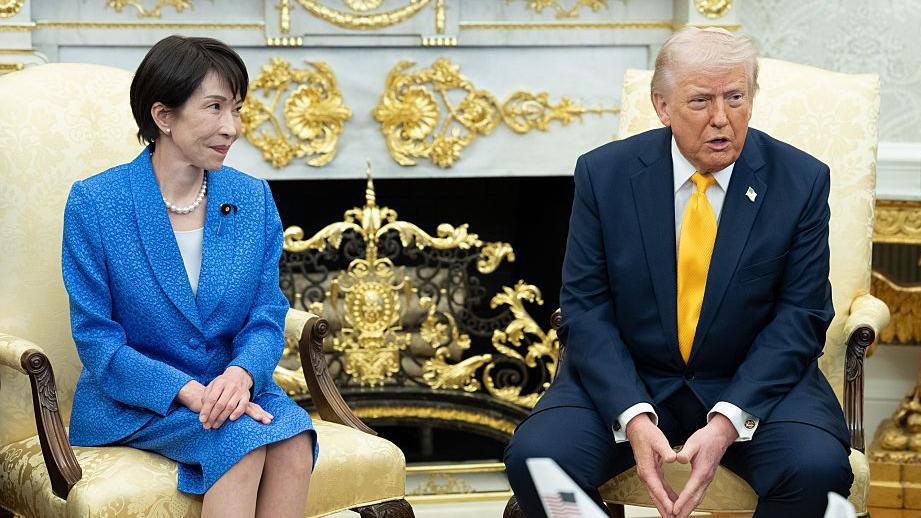
Japanese Minister of Finance Shinichi Ihara said the intervention had "countered excessive volatility and disorderly movements" in the currency, while president Donald Trump stated he would always support Japan’s efforts to combat the yen’s weakening.
Observers anticipate that the US and Japan will continue to coordinate interventions "intermittently in a coordinated manner for some time" to deter speculative attacks, despite the possibility that individual intervention sums may not be enormous.