In brief
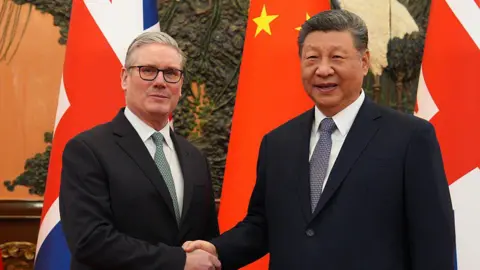
During his landmark visit, Sir Keir Starmer engaged in discussions with President Xi Jinping, aiming to revive UK-China relations strained by previous tensions. While no major trade deals were solidified, agreements on sectors like healthcare and clean energy, along with a notable investment commitment from AstraZeneca, signal a thaw in diplomatic relations and potential economic benefits for both countries.
Sir Keir Starmer's visit to China this week is the clearest sign yet the two countries are seeking to end the diplomatic ice age that has defined their relationship. Both leaders face economic pressures at home and are seeking new opportunities for trade and investment. For Sir Keir, the first UK prime minister to visit China since Theresa May in 2018, the trip was a chance to highlight the strength of British firms in finance, pharmaceuticals, healthcare, clean energy, and car manufacturing.President Xi Jinping, meanwhile, aimed to position China as a reliable partner for Western economies amidst ongoing trade tensions stemming from US President Trump's policies. Although no sweeping free trade deal was reached, the visit marked a cautious but tangible reset of UK–China economic ties.Significant agreements were made, including on visas, services, healthcare, green technology, and finance, potentially facilitating better access for British companies to the Chinese market and increased Chinese investment in the UK.The biggest announcement was AstraZeneca's pledge to invest $15bn (£11bn) in China over the next four years, while British firm Octopus Energy announced its entry into the Chinese market in partnership with PCG Power to develop a digital platform for trading electricity, enhancing efficiency and supporting renewable energy efforts.Additionally, China agreed to halve tariffs on Scotch whisky, with the UK government projecting a potential £250m boost to the British economy over the next five years. This step aligns with the increasing demand for Scotch whisky in China, which has emerged as one of the sector's fastest-growing markets.A key takeaway from the visit was the agreement for visa-free travel for British citizens visiting China for up to 30 days, symbolizing strengthened ties. Both countries also committed to collaborating on migrant-smuggling networks, addressing a priority for the UK government.For Beijing, renewed ties with the UK, a significant European economy and close US ally, reinforce China's position as a dependable partner for the West despite trade tensions. The reset not only secures access for Chinese exporters of high-value goods but also creates new opportunities for Chinese investments in British services and green technology.While the trip represents progress, challenges remain regarding foreign businesses' operations in China due to red tape and regulatory complexities. Sir Keir's government faces pressure to deliver economic growth, making this trip a crucial opportunity for the UK's future economic strategy in a global landscape marked by shifting alliances and uncertainties.