In brief
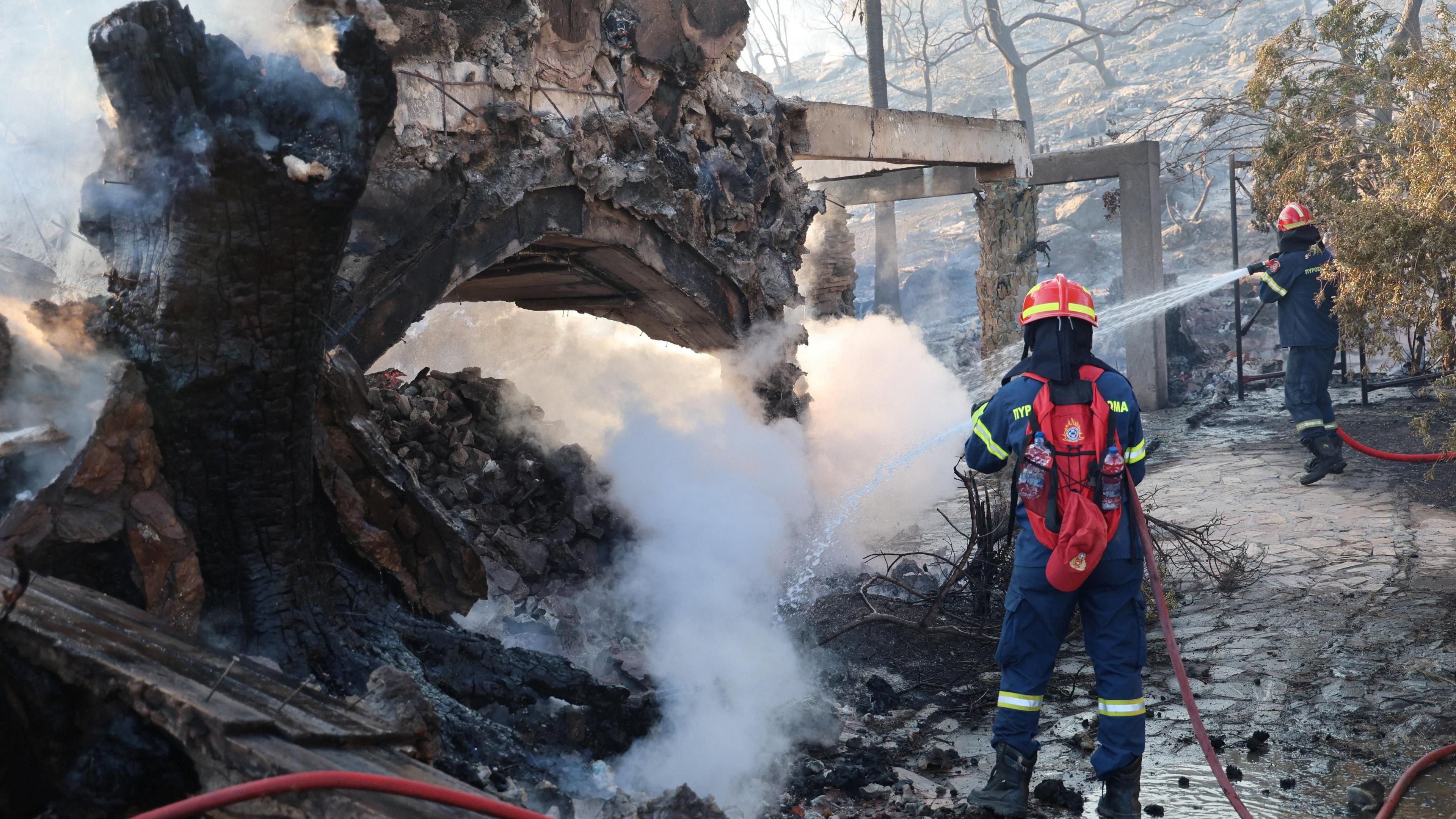
On 16 August, two simultaneous wildfires broke out on Greece’s Salamina island, close to Athens. The blazes, fueled by strong winds, caused two deaths and forced the evacuation of more than 500 people. Fire crews, aided by aircraft, fire engines and water‑tankers, battled the flames before the first fire was put out, while the second remained under control. The event underscored growing wildfire risks for Greece and the critical role of coordinated emergency services.
On the Sunday afternoon of 16 August, two wildfires erupted almost at the same time on Greece’s Salamina island, just west of Athens. The blazes killed two people and forced the evacuation of around 500 residents, according to local officials.
The first fire was reported at 14:40 local time (11:40 GMT) near the island’s southern coast, spreading rapidly under high winds. Roughly twenty minutes later, a second blaze appeared in the eastern town of Selinia. The cause of the fires remains unknown.
A senior fire‑official, Vasilios Vathrakoyannis, noted that the first blaze started in a forested residential zone in Peristeria, a southern village on the island. Firefighters found two bodies on site; the mayor’s office suggested they were a couple.
While one fire was brought under control and the evacuation completed by Sunday evening, the second fire was still active but without a front. Authorised vessels and a fire‑department ship stayed in the area for surveillance and support.
Health authorities reported that at least ten individuals suffered burns or smoke inhalation symptoms, five of whom received treatment on site.
The operation involved about 200 firefighters, 50 engines, water‑tankers, construction machinery and a squad of aircraft dedicated to monitoring and tackling the flames. The goal was to keep the twin fires from merging and devastating a mountain back‑country area.
Salamina hosts roughly 37,000 residents, many of them elderly, making the evacuation and firefighting efforts a priority for the local health and safety system.
These events arrive amid a pan‑European wildfire wave this weekend, which also saw large outbreaks in Belgium’s Hautes Fagnes nature reserve and Croatia’s coastline.
The fires highlight ongoing climate change impacts on Mediterranean regions, where recent months have seen record‑setting temperatures and fierce winds.
For those looking to witness the scene or its aftermath, the BBC’s video footage and still images offer a stark view of the islands’ burn scars and the brave crews who fought them.