In brief
President Trump has enacted an executive order aimed at preventing states from implementing individual AI regulations to foster a unified federal framework. While this move is seen as beneficial for tech giants advocating for comprehensive national AI legislation, it has drawn criticism from state leaders, particularly in California, who argue that such measures undermine state autonomy and public safety. Key figures, including California's Governor Gavin Newsom, have expressed strong opposition to the order, claiming it prioritizes corporate interests over protections for residents.
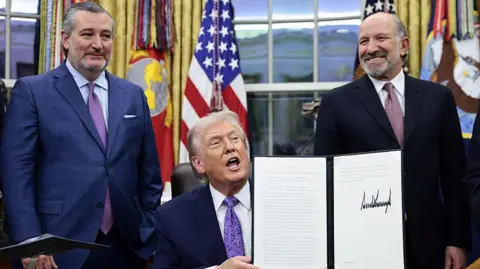
US President Donald Trump has signed an executive order aimed at blocking states from enforcing their own artificial intelligence (AI) regulations.
We want to have one central source of approval, Trump told reporters in the Oval Office on Thursday.
This order will provide the Trump administration with tools to combat what they deem as the most onerous state regulations, although White House AI adviser David Sacks noted that the government will not interfere with regulations focused on children's safety.
The decision marks a significant win for major technology firms advocating for a uniform set of federal AI laws, which they believe is crucial for maintaining the US's leadership in the rapidly evolving tech industry.
AI industry leaders argue that diverse state-level regulations could hinder innovation and slow progress as they compete with China in the AI sector.
However, the executive order has drawn backlash. California, home to numerous major tech companies, has expressed firm opposition, as Governor Gavin Newsom criticized Trump for attempting to circumvent state laws meant to protect citizens from unregulated AI technology.
Earlier in the year, Newsom signed a bill mandating that leading AI developers outline strategies to mitigate risks from their technologies. Other states such as Colorado and New York have also set similar regulations, which Newsom claims could serve as a model for federal lawmakers.
Critics, including advocacy organizations, argue that without adequate federal regulations, state laws become essential to safeguard residents. Julie Scelfo from Mothers Against Media Addiction emphasized that revoking state powers to create their own AI safeguards undermines basic rights.