Trump’s Anime‑Themed Posts Fuel Tokyo’s Protest Wave
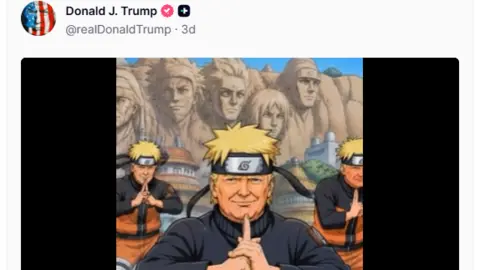
Trump most recently posted a video on Truth Social depicting himself as Naruto Uzumaki.
A simmering backlash has erupted in Japan over former US President Donald Trump’s use of popular anime and manga characters in his social‑media posts. Fans say the former president’s videos and images—featuring Pikachu, Naruto, and even clips from Yu‑Gi‑Oh and Dragon Ball—mock the characters’ original spirit and misuse them for political messaging.
The first controversy began in March when a handful of posts drew attention from anime enthusiasts. Almost 20,000 people have since signed an online petition, arguing that Trump lacks the values these characters portray and that his use of them infringes on the intellectual property rights of their creators.
Pokémon Company International officially condemned Trump’s posts, saying the White House had no permission to use the copyright‑protected imagery. "We were not involved in its creation or distribution; our mission is to bring the world together, and that mission is not affiliated with any political viewpoint or agenda," a company spokeswoman, Sravanthi Dev, told the BBC.
The petition was reignited Thursday when Trump unveiled a Truth Social video of himself transformed into Naruto Uzumaki, the beloved protagonist of the long‑running anime series that has a global fanbase. Those who signed the petition say the characters embody courage, friendship, and perseverance—values that Trump’s portrayal of them for a military‑joke video contradicts.
"Kazuki Takahashi, the creator of Yu‑Gi‑Oh, passed away after attempting to rescue someone in the ocean," the petition’s founder, Nana Suzuki, explained. "It deeply saddened me that his noble spirit, someone who tried to save others and the message of his work, was used in a military context when he can no longer speak for himself."
Opposite voices in the Japanese social‑media sphere applaud the videos. One Twitter user described them as "hilarious" and said they would boost Naruto’s international recognition, likening the footage to prime publicity. Another praised the fact that a U.S. presidential candidate had acknowledged a Japanese manga that has become a global phenomenon.
While Pokémon Company International maintains that it did not grant permission, some feel the controversy highlights the broader debate about political figures leveraging pop culture. It also underscores the power—and responsibilities—of anime and manga creators in the digital age.