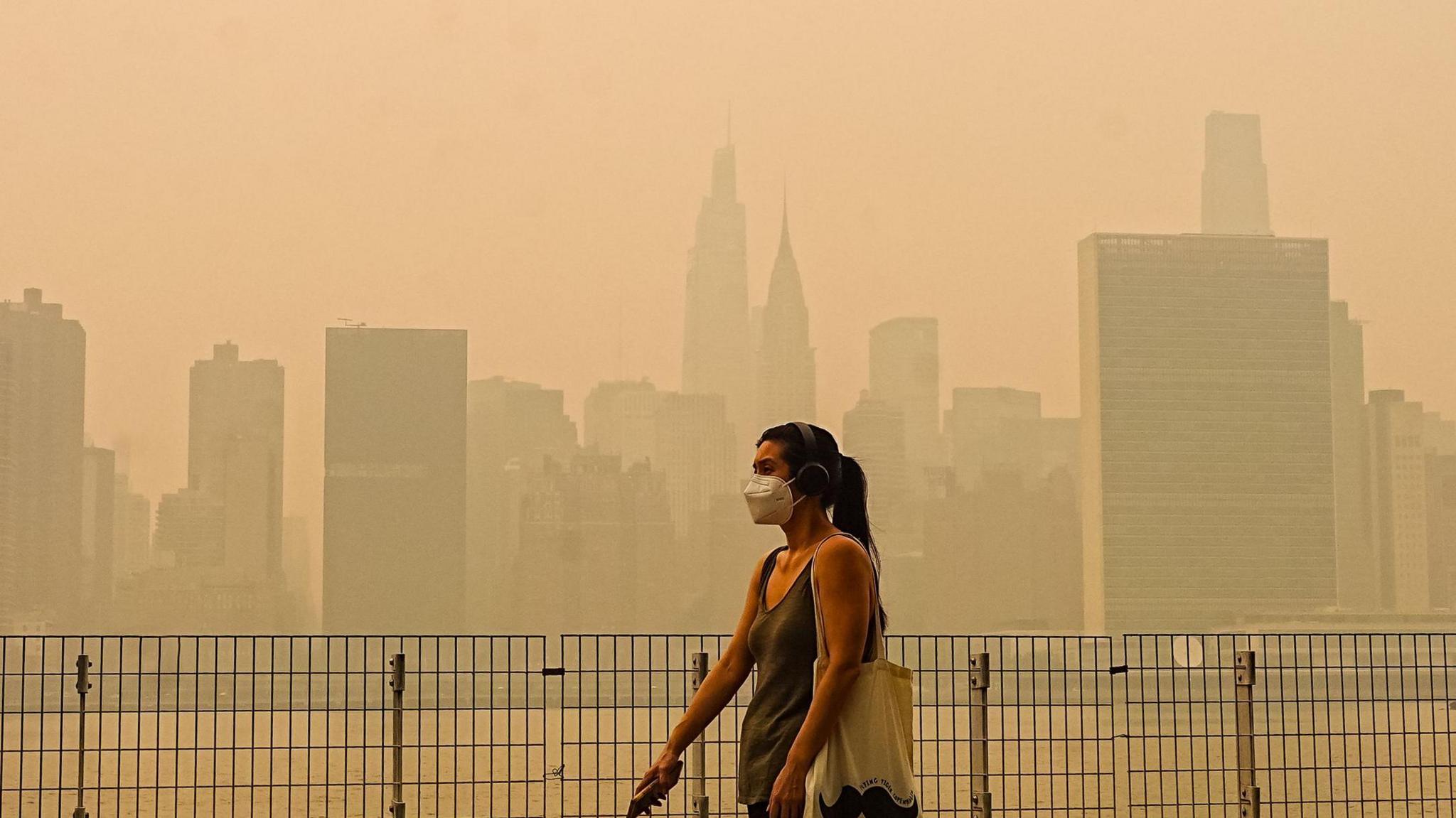
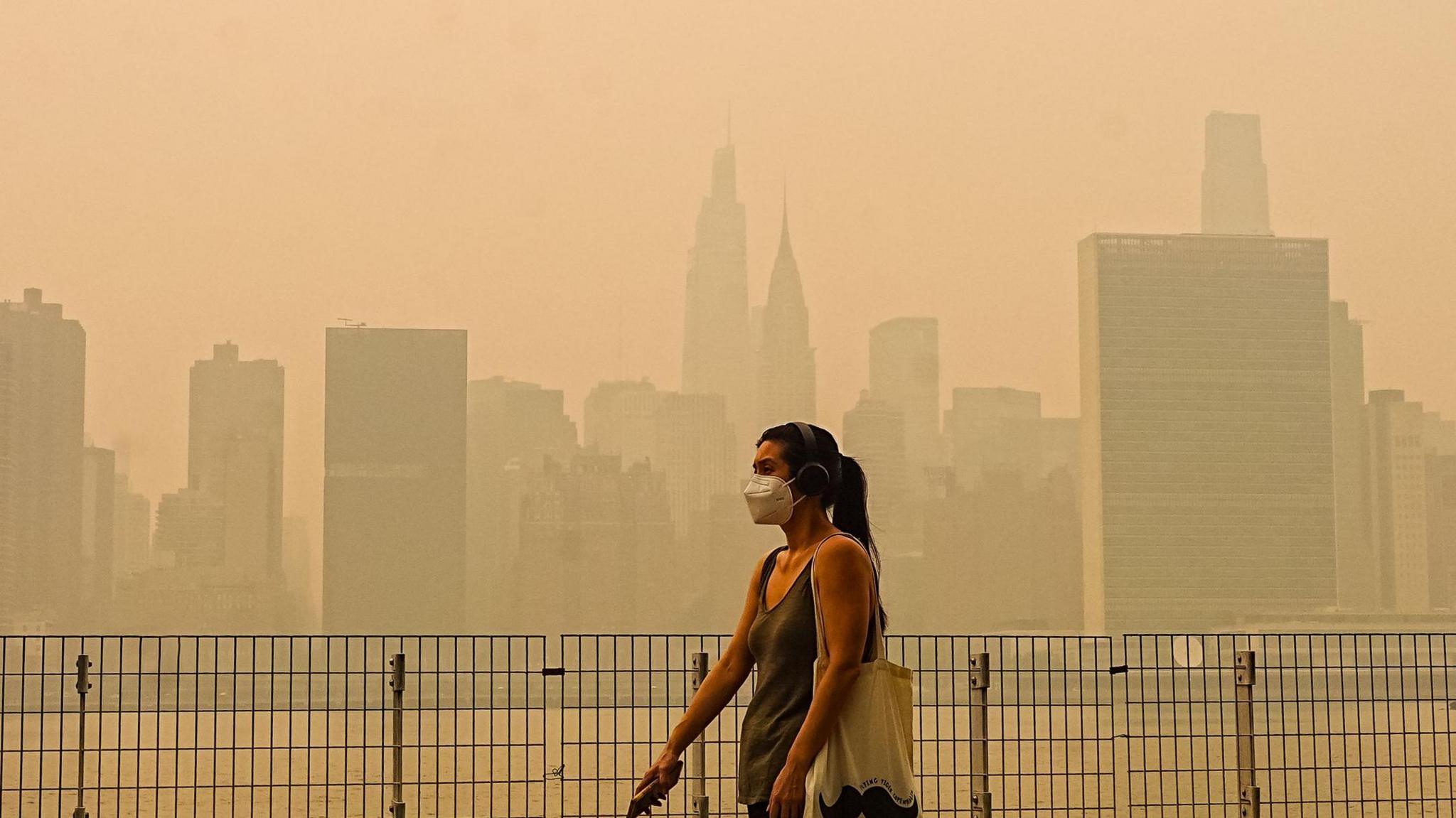
Smoke from massive Canadian wildfires blanketed the New York City skyline on 16 July, reducing visibility and casting an orange haze over the urban area.
Rising Wildfire Crisis Increases Cross‑Border Tensions
U.S. President Donald Trump has threatened to impose new tariffs on Canada after multiple merciless fires spread across the country and sent soot‑laden air into U.S. cities. According to the Canadian Wildland Fire Information System, there were 955 active fires in Canada on Saturday, with the majority out of control. This surge has seen smoke drift over Minnesota, Michigan, Pennsylvania, Ohio and New York, resulting in hazardous air quality alerts across the region.
Canada’s Response Highlights Joint Strategy
Prime Minister Mark Carney has said that both nations share responsibility for fighting climate‑driven disasters and that a reciprocal fire‑fighting agreement from 1982 and a 2025 G7‑summit agreement will guide any assistance delivered. Ontario Premier Doug Ford criticised U.S. lawmakers’ rhetoric, calling it “unacceptable” and reminded them that Canada has historically assisted in California fires and North Carolina hurricane relief.
Carney’s emergency‑management cabinet has confirmed that Canada maintains constant contact with U.S. partners and is actively coordinating efforts. Meanwhile, Carney’s remarks emphasised that “climate change is everyone's responsibility.” Ford noted that over 150 fire crews, 80 water bombers and helicopters are in the field. He added that Canada has invested $12 billion in forest sustainability and fire prevention since 2018.
Smoke’s Health Impacts and Public Response
Reports show air quality in Detroit—once the world’s worst on a single day—and Chicago are among the most hazardous. The health crisis has prompted the U.S. government to advise residents to stay indoors and provide masks. Outdoor events, from summer camps in Chicago to concerts in the North America region, were cancelled, and several airports experienced flight delays due to low visibility.
Broader Context – Climate Change, Fire Aberrations and International Policy
Scientists point to sustained late‑June heat and below‑average rainfall in Ontario as primary catalysts for the surge of fires, compounded by the carbon‑loopy hot, dry conditions accelerated by climate change. Though some sparks come from lightning, many start in remote forest regions that are hard to locate early, underscoring the need for robust forest management practices and better cross‑border coordination.
Trump’s threat to impose tariffs has stirred outrage in Canada and triggered calls from some U.S. officials to mobilise direct involvement in cross‑border wildfire prevention. The issue also raises questions about the controversial proposal to make Canada the 51st U.S. state, a notion that has sparked protests against visiting Canadians.
As the smoke continues to linger, international cooperation remains key. The Canadian government has reaffirmed commitments to joint action while the U.S. may prepare for additional measures should Canada fail to pursue stronger preventive policies.
Read the full article on BBC News