In brief
President Trump has announced optimism that US and Iranian officials are engaging in friendly negotiations after a three‑day halt in military strikes, according to a briefing on Air Force One. The pause came after both sides, including Israel’s use of Iranian‑ironed drones and missiles, had stalled for the first time since mid‑February. Trump urges that if talks fail, Washington will resume prior operations, citing a renewed naval blockade and air campaign. Iran denies any direct talks, while American soldiers report ample ammunition reserves. Oil markets, meanwhile, have already reacted to the ceasefire prospects.
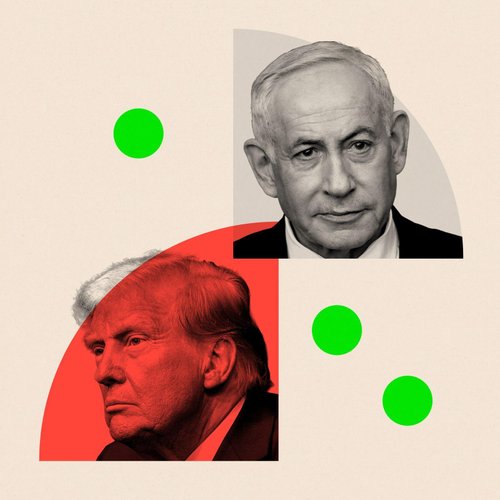
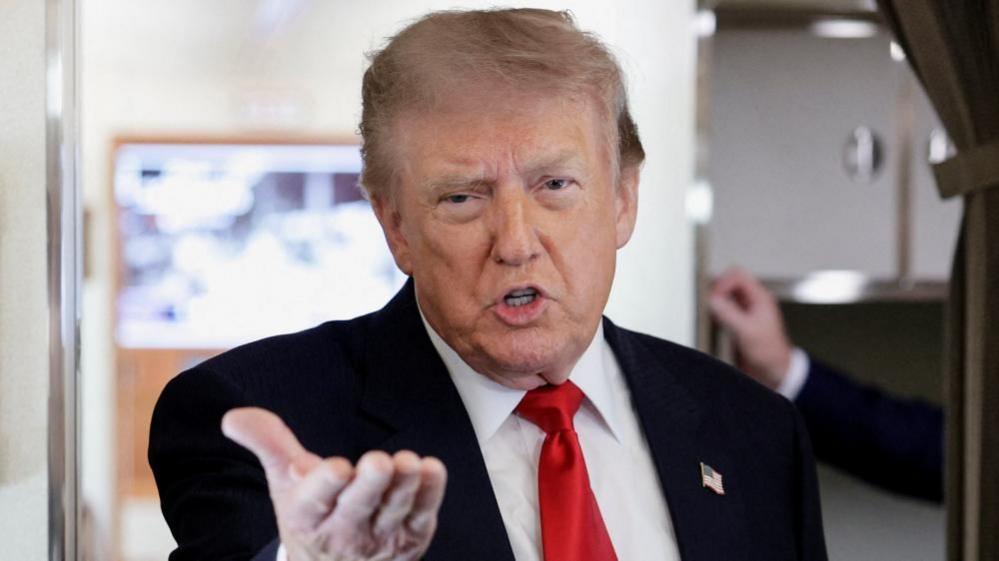
U.S. President Donald Trump announced that “friendly negotiations” were underway with Iran, citing a call for a break in strikes that has brought the two sides to a brief lull for the first time in weeks.
Speaking aboard Air Force One, Trump said there was a “good chance” the conflict could be resolved “in the next few days.” He warned that, if talks collapsed, Washington would resume its prior strategy, demanding a naval blockade and additional air “counter‑measures.”
Despite his optimism, Tehran has denied any direct talks, while U.S. military spokesmen confirmed that the Pentagon remains ready to intervene should the ceasefire fail.
The pause follows almost two weeks of daily United States air strikes and retaliatory Iranian drone and missile attacks that had escalated tensions in the Strait of Hormuz, a critical oil shipping lane. The standoff has led to a 9‑percent drop in oil futures, a reflection of market speculation about a possible de‑escalation.
Trump also reassured reporters that American stockpiles of weapons and ammunition were plentiful, dismissing rumors that supplies were dwindling after five months of sustained conflict.
He noted ongoing production of Patriot missiles and other anti‑ballistic systems, emphasising that “that system is going up” as the United States expands its defensive capabilities.
White House spokesperson Anna Kelly echoed this confidence, stating that the U.S. “has more than enough munitions, ammo and stockpiles” to meet strategic objectives and “expose what happens when you mess with the United States.”
Background: The Conflict
The United States and Israel launched air strikes against Iranian facilities on 28 February, sparking retaliation from Tehran with missiles and drones aimed at U.S. and allied targets in the Gulf and Israel. In a June memorandum of understanding, the U.S. agreed to pause military operations and reopen the Strait of Hormuz for a 60‑day ceasefire period. The ceasefire faltered when Iranian forces targeted oil tankers in July, prompting the United States to resume air assaults and re‑establish the naval blockade.
The United States claims the strikes were aimed at degrading Iran’s ability to threaten commercial shipping, while Iran reports civilian casualties from the U.S. offensive.