In brief
Students and university protesters have stormed the Education Ministry and the Prime Minister’s office in Tirana, spurring a violent confrontation with riot police. The clashes saw masked youths throwing rocks, petrol bombs and fireworks, prompting the use of water cannons, tear gas and rubber bullets. Amid claims of corruption against Prime Minister Edi Rama, the protests have turned into a broader anti‑government movement demanding his resignation and the establishment of a caretaker government. While the streets run red with smoke and smoke tubes, the city’s political future hangs in balance as investigations into high‑profile officials continue.
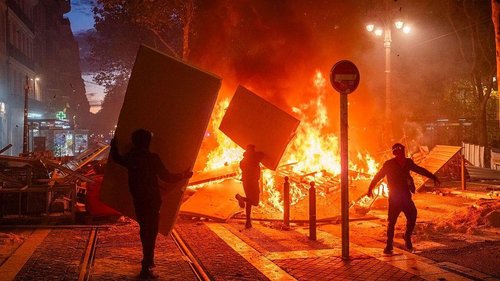
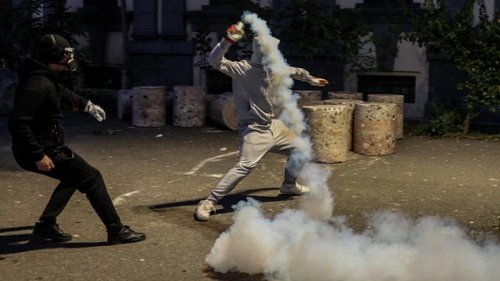
On Saturday, anti‑government protesters in Tirana turned the city’s historic center into a battleground for the fifth consecutive day. Masked students hurled rocks and petrol bombs at riot police who were guarding the education ministry – a symbolic target for the demonstrators.
Police fired water cannons and launched volleys of tear gas. For the first time, rubber bullets were also used, sending crowds scattering as the spray and powder filled the streets. The clashes have escalated the speed and intensity of the movement, which began in early June and now calls for Prime Minister Edi Rama to resign over corruption allegations linked to his administration.
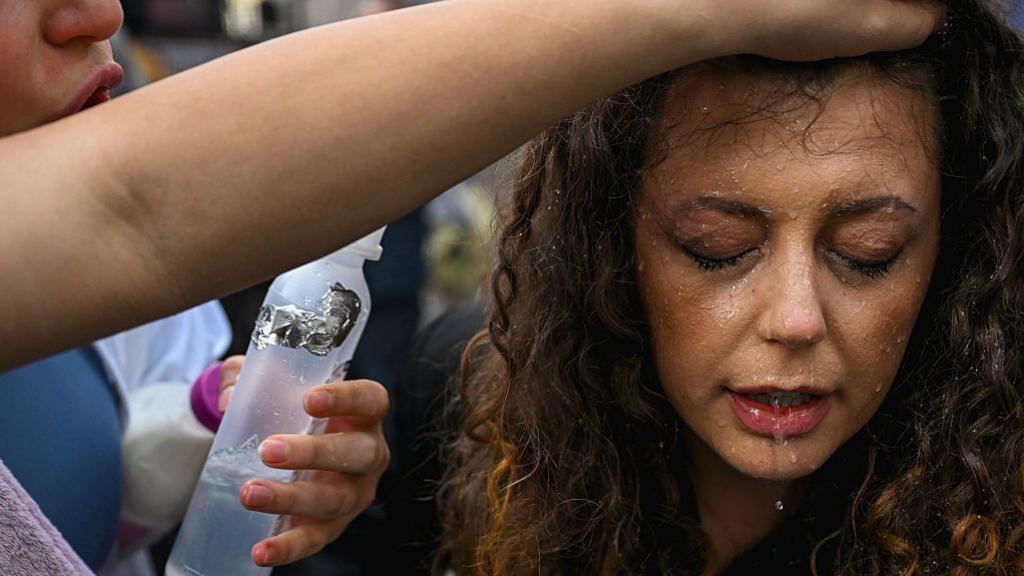
At the heart of the unrest, many demonstrators wore gas masks; volunteers distributed saline eye wash to relieve the choking tear gas. When the gas cleared, fresh waves of stone and fireworks rattled the main boulevard, with canisters landing deep amid the crowd, causing panic and renewed attacks.
One of the young participants, a 19‑year‑old medical student named George, stood amid the burning education ministry ruins, clutching a rock. He declared, "We were peaceful for 135 days. Now we are trying to make a revolution. Our government doesn’t want peace, so we are using violence." The emotional rhetoric reflects the broader sentiment of a generation demanding change.
The protests have drawn sharp turns when the student activists announced that their grievances targeted the entire corrupt political class. In response, a prominent journalist and activist, Osman Stafa, proposed a neutral caretaker government for one year to organize new elections, echoing similar calls in previous waves of dissent.
Prime Minister Rama, who has ruled for 13 years, is under intense scrutiny as investigative prosecutors issued charges against the country's former secret service chief, Vlorë Hyseni, for alleged corruption with a former government ally. The accusations threaten to further erode Rama’s popular image and question the integrity of his party’s majority in Parliament.
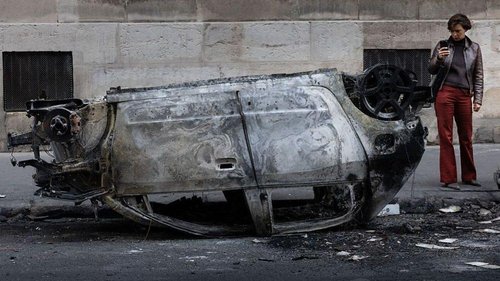
Meanwhile, the center of Tirana sits amid blackened asphalt, broken glass, and the echo of sirens. Police special forces and medical teams are on standby as the city braces for more clashes. The future of Albania’s political landscape remains uncertain, with the next parliamentary elections slated for 2029 but the current crisis lessening confidence in longtime stability.