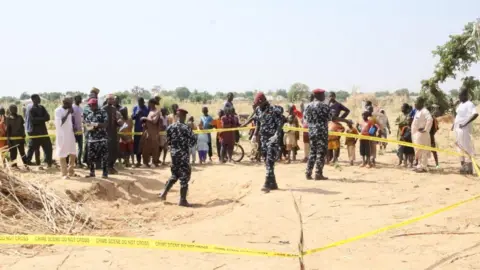
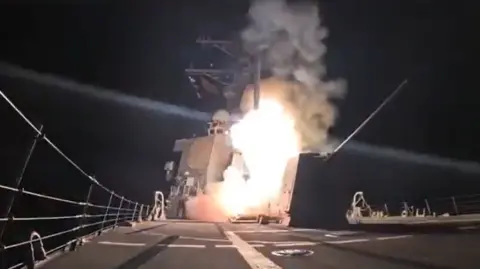
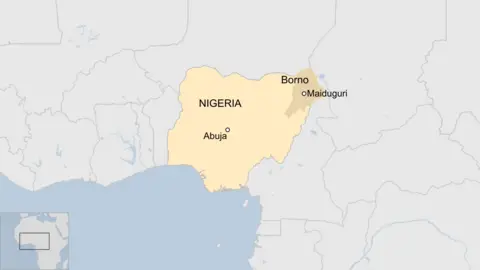
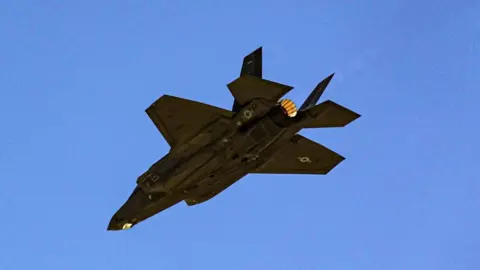
Deep fear has long pervaded the arid savannah plains and highlands of north-western Nigeria— even before the US air strikes on the Islamist militants who have made this area their base on Christmas night.
The heavily armed jihadists, known as Lakurawa, have been entrenched in camps in Tangaza, a remote area near the Niger border, for several years, exacerbating the anxiety among locals. Originating from regions in the Sahel, these militants are now allegedly linked to Islamic State groups, though there is no direct acknowledgment from IS.
When BBC visited Nukuru, a village roughly 10km from the strike site, residents proved apprehensive about sharing information regarding Lakurawa due to fears of retaliation. Only after ensuring their anonymity would some locals speak, expressing the dire impact of being under militant rule.
A farmer shared the chilling experience of seeing fleeing militants on motorcycles shortly after the airstrikes, highlighting the chaos and terror surrounding their presence. According to him, the militants traversed the area regularly, imposing stringent control over the local populace through a blend of governance and oppression.
With limited government response — as evidenced by the absence of schools, hospitals, or sufficient police support in the region — residents find it hard to escape the militants’ influence. They endure not only financial demands but also leverage the fear of violence as a form of control, making compliance with their rules a grim necessity for survival.
The U.S. operation, amidst complex regional dynamics, aims to dismantle the militants' control. However, should these efforts succeed in restoring security, it remains evident that the psychological scars left by Lakurawa’s brutal governance will take much longer to heal.