In brief
Jay Allen, a manufacturer from Arkansas, reveals the unexpected consequences of President Trump's tariffs on his business. Initially supportive, he now grapples with increased costs and a declining workforce. These tariffs, intended to boost American factories, have unintentionally placed many at risk and have led to job losses across the industry. The article explores the broader impact of the tariff policies on manufacturing jobs and overall economic health amid rising global trade imbalances.
WASHINGTON (AP) — Jay Allen is a fan of President Donald Trump, and voted for him on the belief that the Republican would cut taxes and trim regulations, helping his manufacturing business in northeast Arkansas.
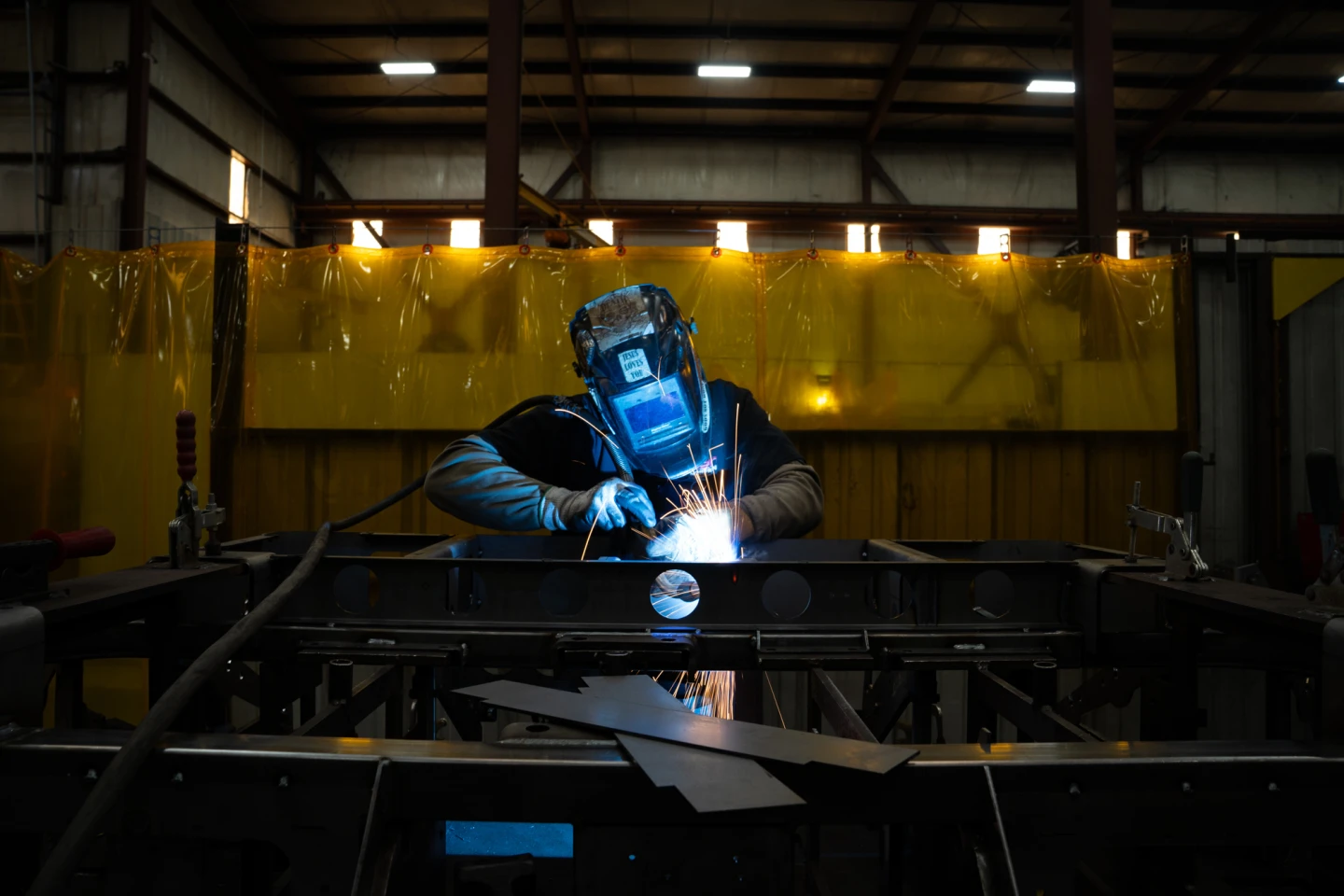
But the tariffs at the core of Trump’s economic agenda have wreaked havoc on his company, Allen Engineering Corp., which makes industrial equipment used to install, finish and pave concrete. The import taxes have raised the costs of engines, steel, gearboxes and clutches made abroad that Allen needs to build power trowels that can sell for up to $100,000 each.
Allen’s experience embodies a growing body of evidence that the tariffs that Trump said would help American factories are, in fact, squashing many of them. The problem could get worse as the administration scrambles to craft new tariffs to replace the emergency import taxes that the Supreme Court ruled illegal in February.
Allen said he ran his company at a loss in 2025 because of tariffs. His payroll has fallen to 140 workers from a peak of 205. To get by this year, he has hiked prices by 8% to 10%, even though it might mean fewer sales.
“What’s really sad is the unintended consequences of his tariffs are hurting manufacturing in our country,” said Allen. “Unfortunately, the working-class people are getting squeezed.”
Manufacturing jobs have declined during Trump’s first year back
Trump’s core rationale for tariffs was that they would force more factories to open in the U.S. and generate enough revenue to close federal budget deficits. However, that hasn’t materialized.
Factories continue to shed workers, with 98,000 manufacturing jobs lost during Trump’s first full 12 months back in the White House. American companies are now suing the Trump administration for more than $130 billion in tariff refunds. Meanwhile, the federal deficit is projected to climb over the next decade.