In brief
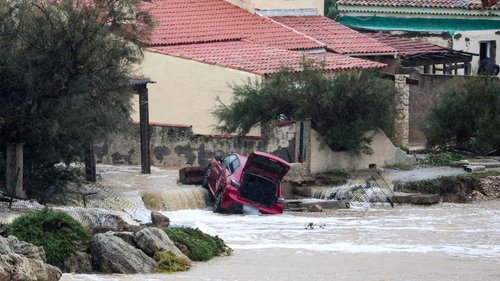
Super Typhoon Bavi is squashing the US Pacific islands, delivering rapid-season winds and monstrous waves that could damage infrastructure and harm lifelines. Residents have fled to evacuation centers, and officials have warned of possibly catastrophic flooding and destructive winds. The storm follows a severe El Niño event that has fed high sea‑surface temperatures, a trend that amplifies tropical cyclones under climate change. Community‑level preparations—such as boarding up outlets and building shelters—prove essential in the face of such extraordinary intensity.
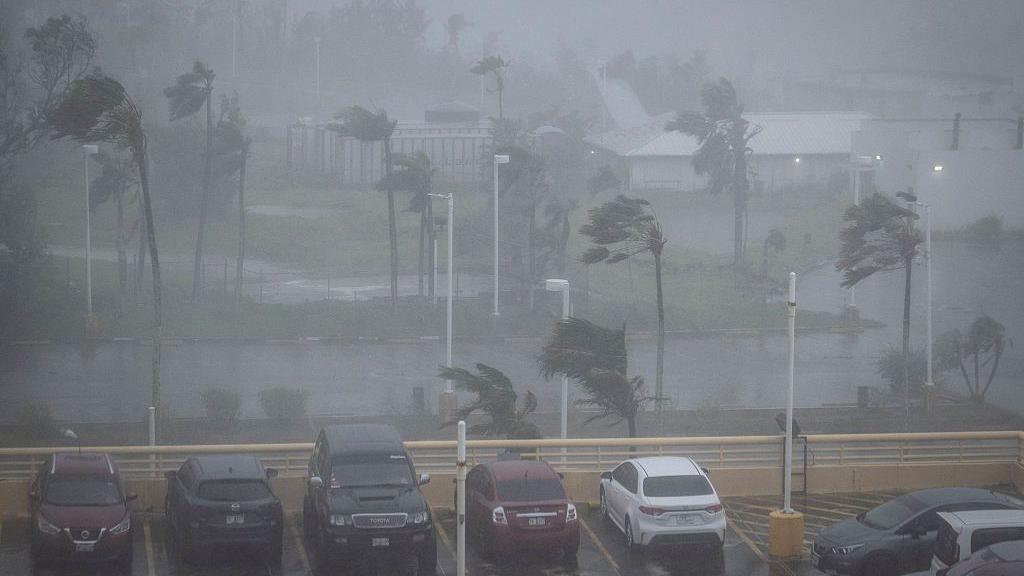
Howling winds and lashing rains are battering Guam and the Northern Mariana Islands as the super‑typhoon Bavi makes landfall, with gusts reaching 350 km h⁻¹ (220 mph) and winds nearly 290 km h⁻¹ (180 mph).
The National Weather Service warns that the storm could produce almost 11‑metre (35‑ft) waves, comparable to a category‑4 or ‑5 hurricane, and may cause catastrophic damage.
Residents are moving to evacuation centres; Guam has opened five schools to shelter about 1,700 vulnerable people, with one already full. Officials urge people to stay indoors once the winds cross 100 mph.
Rota, the southernmost inhabited island, is under direct hit. Mayor’s office advises residents to prepare for destructive winds and cautions against staying outdoors as conditions worsen.
The storm’s arrival follows a severe El Niño event that has pushed sea temperatures higher, feeding more moisture into the atmosphere and amplifying cyclones. As climate change continues, super‑typhoons are becoming more frequent across the western Pacific.
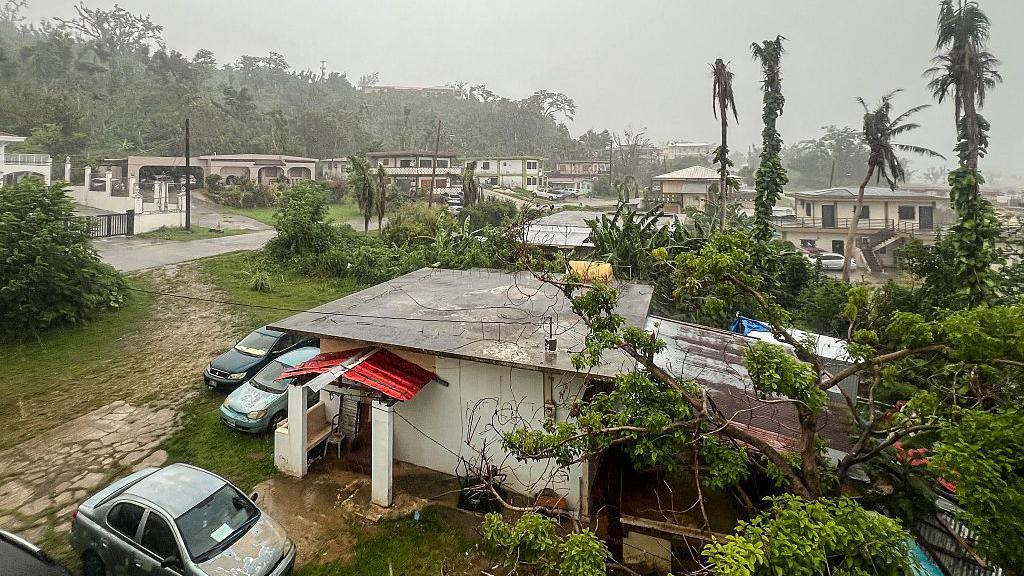
A local restaurant in Guam had to board up its windows with plywood before the storm. “I cannot afford to lose days… I just started and have no revenue yet,” said a 55‑year‑old business owner, highlighting the economic strain on small businesses.