In brief
For three months Ukrainian forces have advanced and liberated 277 sq km, using drones, nets and Starlink to fight Russia’s drones. A sudden restriction on the military version of Elon Musk’s satellite network, Starshield, raised concern that Washington could pull vital communications. Ukrainian soldiers say morale remains high, while a lone village survivor voices hope for a finish to the war.
At the edge of the Donbas battlefield, a quiet war is being fought in the sky as well.
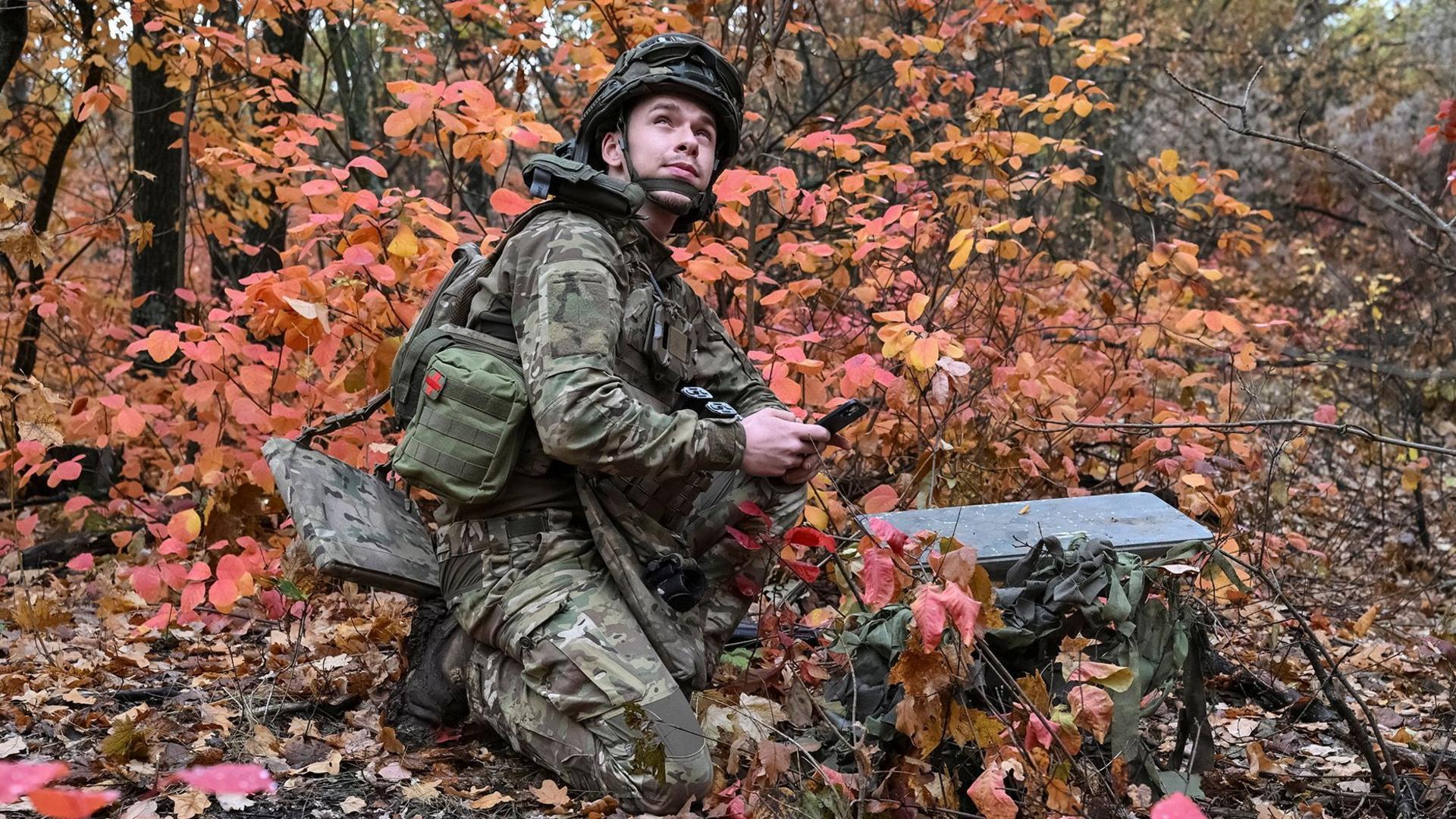
Ukrainian troops have marched back‑filling more than 277 square kilometres of territory over the past three months, pushing Russian forces deeper into their own lines. The five‑stage Operation Vivaldi has liberated 16 settlements and earned the surrender of around 250 Russian soldiers, according to Kyiv sourced data.
The offensive relies on a layered network of drones, nets and satellite links. On the front a Ukrainian attack drone drops a net over a Russian reconnaissance drone, while a separate strike drone delivers the lethal payload. Each move is guided by real‑time video feeds streamed to a command bunker above, and a constant flow of data across the battlefield.
Central to this data stream is Starshield, the military‐grade version of Elon Musk’s Starlink satellites. It provides the connectivity that powers mid‑range launch missiles, remote‑controlled explosive vehicles and the onion of netting now covering many eastern roads. But last week Ukraine was blindsided when Starshield access was suddenly restricted, a move widely believed to have come from Washington.
Commander of the Revenge Brigade’s Silver Trinity unit, ‘Dealer’, said the pause in satellite links would be “devastating” if it continued. Yet soldiers still trod forward, moving four times across open ground, driven by a confidence that the operation was a turning point in the war.
In the village of Karpivka, 61‑year‑old Volodymyr Zamota survives a lone witness to the devastation, speaking of his eight months of isolation. He calls out Kyiv’s victory as a promise of an ending, even as the roads he walking are spattered with nets deployed to ward off hostile drones.
Diplomatic strain has reached a fever pitch. President Zelensky has accused former President Trump of betrayal, while Washington’s rhetoric has swayed between caustic remorselessness and a distant commitment. Amid all this, frontline morale remains high, with soldiers receiving food parcels dropped by drones and continuing to report that the operation has “renewed our belief Ukraine can win the war”.