In brief
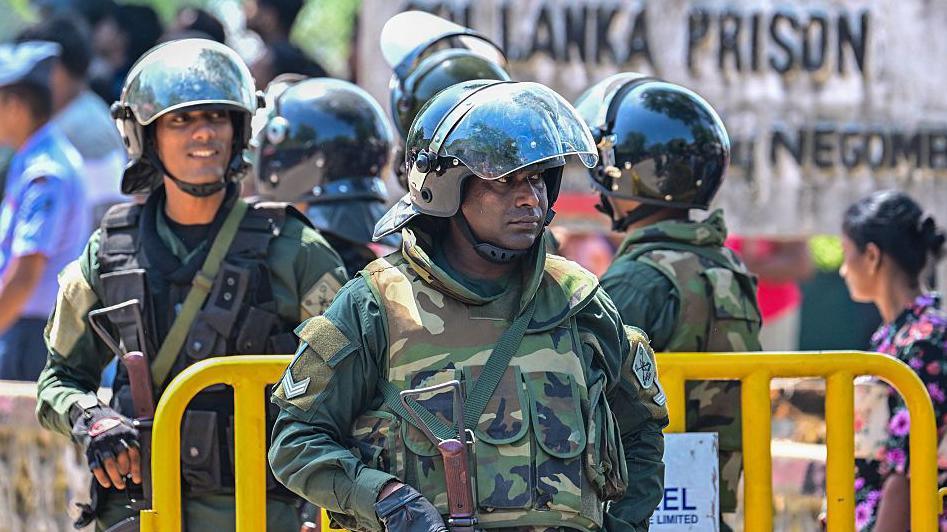
Two days of violence at Negombo Prison in Sri Lanka killed 26 people, seven guards included, and left more than 100 injured. Conflicts erupted when inmates grabbed guard weapons and later tried to breach gates and seize rooftops. Hospitals reported bullet wounds, cuts and bruises, and part of the roof collapsed during the attack. Authorities are investigating the incidents and have placed the military on standby to assist. Sri Lanka’s prisons are severely overcrowded, holding four times their capacity, a factor contributing to such unrest.
Riots that erupted at Negombo Prison on 5–6 July have taken the lives of 26 people, including seven guards, and left more than 100 inmates and staff wounded.
The clashes began after inmates divided into rival groups seized guard weapons; with two deaths on the first day the violence intensified as men and women from adjacent units climbed the prison’s rooftops demanding release.
Officials report that 23 prison officers and 54 inmates are still receiving treatment; hospital staff at Negombo Hospital and Colombo National Hospital report bullet wounds, cuts and bruises.
Police said a portion of the prison roof collapsed during the upheaval, injuring some of the women who had taken to the roof.
Authorities, including the Minister of Justice Harshana Nanayakkara, have ordered investigations and a report, while the military has been placed on standby to assist in clearing the facility.
Sri Lanka’s correctional system is severely overcrowded, with 41,250 inmates—roughly four times its capacity—worsening the likelihood of such disturbances.
This has been the deadliest prison riot in Sri Lanka in years; the worst eruption in 2020 claimed 11 lives and injured 117.
Inmates’ relatives gathered outside, expressing frustration at the lack of clear information on the whereabouts and status of those inside.