In brief
President Lee Jae Myung has called for formal talks to end the technically ongoing war between South and North Korea, proposing a multi‑layered security system along the DMZ and a commitment to stop the North’s nuclear build‑up. The proposal follows the 1953 armistice that left the peninsula frozen but never at peace, and comes amid renewed efforts to thaw relations after the impeachment of former president Yoon Suk Yeol. North Korea has yet to respond to the offer, while the country itself has repeatedly warned that unification under its terms is impossible and that it will continue to pursue nuclear weapons. The meeting marks a pivotal moment for the region, as diplomats weigh the risks of a long‑standing conflict against the potential for a new era of stability.
Official End to Korean War? Lee Jae Myung Proposes Talks with North Korea
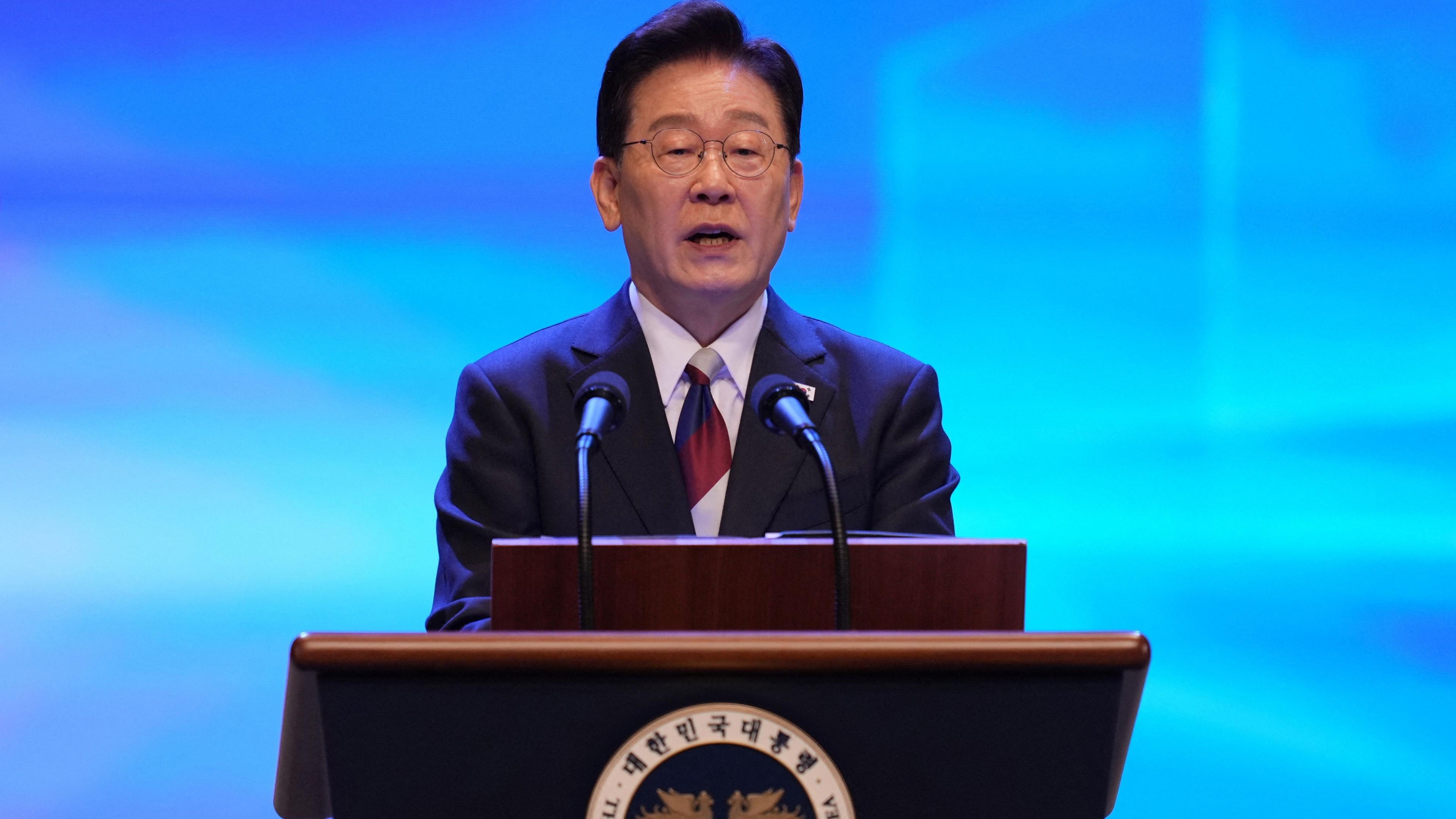
South Korean President Lee Jae Myung has called for formal talks to end the protracted conflict that has been simmering on the Korean peninsula since 1953. In a speech on Liberation Day, the president urged both sides to “put down our intentions to threaten each other” and start negotiations to bring a definitive end to the war that technically remains in effect.
Lee outlined a “multi‑layered security system” for the heavily fortified demilitarised zone (DMZ) that separates the two Koreas. He also offered to discuss practical ways to halt Pyongyang’s latest nuclear and ballistic missile advances, citing a need for a concrete strategy to neutralise the North’s growing arsenal.
The proposal follows a long‑standing armistice that froze hostilities but never produced a peace treaty. Since Yoon Suk Yeol’s impeachment on claims of overreach, Lee has sought to reset diplomatic relations with North Korea and its ally China, which had strained under Yoon’s administration.
North Korea has yet to comment on the South’s invitation. The regime has historically rebuffed offers of engagement, particularly after the U.S. established a nuclear‑submarine fleet for South Korea and after joint drills with U.S. allies.
The North continues its nuclear program, declaring itself a nuclear power in 2022 and producing dozens of warheads. Previous statements by Kim Jong Un have underscored the North’s determination to possess nuclear deterrence and to promote a hardline stance toward unification, promising to “recapture” the South if war were to break out.
As the two governments grapple with the legacy of a half‑century of tension, the ongoing ballistic missile tests by North Korea and the South’s insistence on diplomacy signal a complex interplay of confrontation and overture. The outcome of these talks will likely shape the geopolitical landscape of East Asia for years to come.