In brief
Santa Fe is introducing an innovative ordinance that connects minimum wage increases to housing costs, ensuring affordability for local workers. By implementing a new formula that considers consumer prices and fair market rent, city officials hope to keep their vibrant community intact. About 9,000 residents are set to benefit from this progressive change. Mayor Alan Webber emphasizes the need for economic stability, aiming to preserve the city's cultural diversity and economic fabric.
SANTA FE, N.M. — Known as “The City Different,” Santa Fe is embarking on a revolutionary path to ensure housing affordability for its residents. As the first city in the United States to link minimum wage to housing costs, the new ordinance aims to address the escalating prices that threaten the core of the community.
The initiative will see Santa Fe's minimum wage increase to $17.50 by 2027, with annual adjustments based on a blend of consumer prices and fair market rent, designed to help keep pace with the rising cost of living.
Mayor Alan Webber believes this move is crucial not only for economic stability but for maintaining the rich cultural tapestry that Santa Fe embodies. “The purpose is to make a serious difference in assuring that people who work here can live here,” he states.
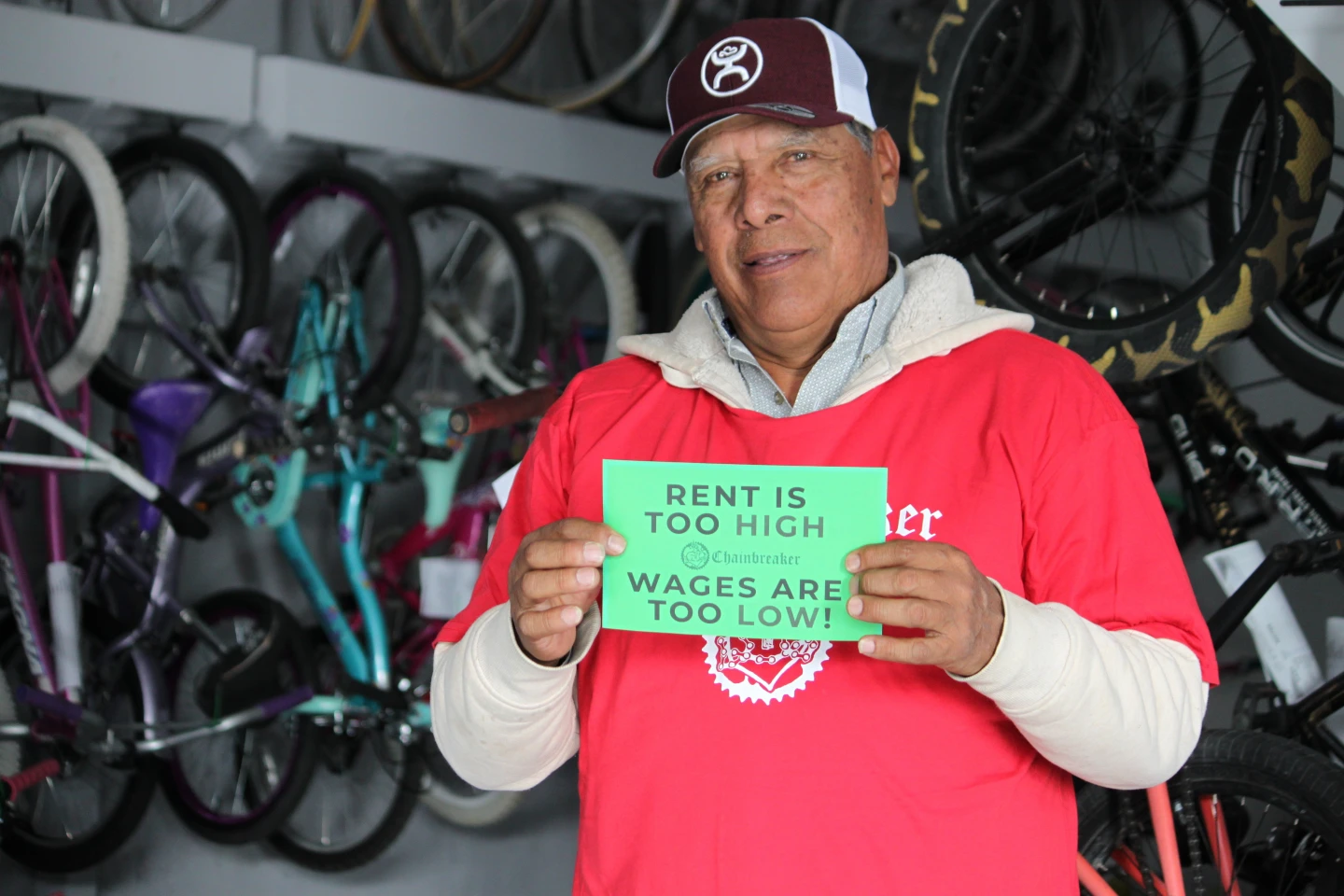
The ordinance responds to the national trend of rising rents, which have left families like Diego Ortiz's grappling for financial stability while working multiple jobs. With concerns about housing and basic needs, Ortiz expresses hope that this wage increase will allow him and his community to thrive.
While the measure is seen as a significant step forward, experts caution that it won't solve the overall housing shortage that continues to drive up prices. Santa Fe officials are also working on projects to increase housing availability and support affordability through new construction and the implementation of a mansion tax aimed at funding affordable housing initiatives.
Ultimately, the city faces the pressing question: Can it uphold its tradition of inclusivity and prosperity amidst ongoing economic pressures?