In brief
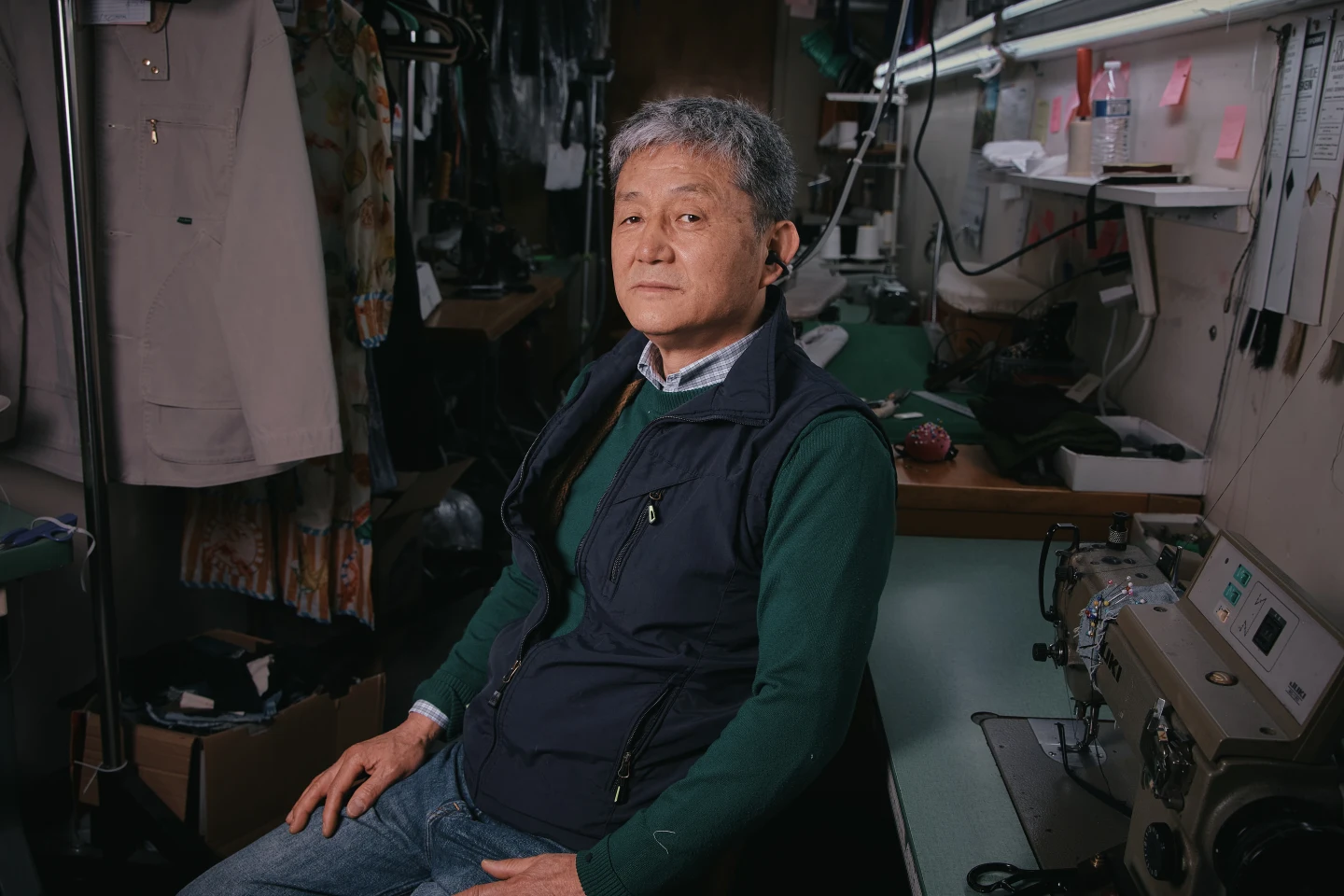
Kil Bae, a tailor in Manhattan, reflects on the resurgence of demand for bespoke alterations amidst a rising cultural awareness for personalized fashion. His craft, however, faces challenges as an aging workforce and a lack of new talent threaten the future of tailoring in the U.S. Current trends see shoppers wanting individualized fits and revamping secondhand clothing as they shun disposable fashion. Programs like those initiated by Nordstrom and the Fashion Institute of Technology aim to cultivate new talent despite the physical and financial hurdles associated with a career in tailoring.
NEW YORK (AP) — Hunched over a sewing machine, Kil Bae is hemming a dress inside his Manhattan tailor shop when a new customer arrives with a vintage Tommy Hilfiger jacket he wants taken in. The modeling agent paid $20 at a thrift store and is willing to spend $280 for alterations, a marked increase in price that Bae says has become more common as the demand for tailors has risen. Shoppers accustomed to fast fashion are increasingly seeking out tailoring services to achieve personalized fits or to revitalize their secondhand finds.Bae, who began his training at 17 in South Korea, is among the dwindling number of professionals in the U.S. as the workforce ages. The U.S. Bureau of Labor Statistics reported a 30% decline in the number of tailors and dressmakers over the past decade, with a median age of 54 among this demographic. The physical demands of tailoring and lower pay relative to skills required might deter young workers. The average annual wage for tailors sits at $44,050, compared to $68,000 for other careers.Despite the challenges, there’s a growing recognition of the artistry involved in tailoring. Programs like the one initiated between Nordstrom and New York's Fashion Institute of Technology are designed to foster a new generation of tailors. With a noticeable applicant demand for these programs, the fashion industry seeks to preserve the traditional skills necessary for bespoke services.Bae urges young people to consider tailoring, noting the impossible-to-replicate nuances of custom-fit garments. He uses multiple sewing machines for different fabrics and remains keenly aware of the artistry his craft demands. As he confronts the realities of a labor shortage in a rapidly evolving fashion landscape, he remains passionate about his work and the unique contributions it brings to individual style.}