In brief
Iran celebrated the death of Supreme Leader Ayatollah Ali Khamenei with a 10‑km funeral parade that drew millions of mourners. The procession, slowed by the crowds, was choreographed to convey the government’s rhetoric of resistance, revenge, and defiance. While many stayed away, some were spurred by the slogans “death to America” and “death to Israel.” The ceremony marked the beginning of a week of travel to Qom, Najaf and Karbala, before the final burial in Mashhad’s Imam Reza Shrine.
Three days of public mourning in Tehran ended with a ceremony the new leaders wanted the world to witness. The funeral cortège, carrying the coffins of Ayatollah Ali Khamenei and four family members, trundled along a 10‑km route, often moving only after large crowds had gathered.
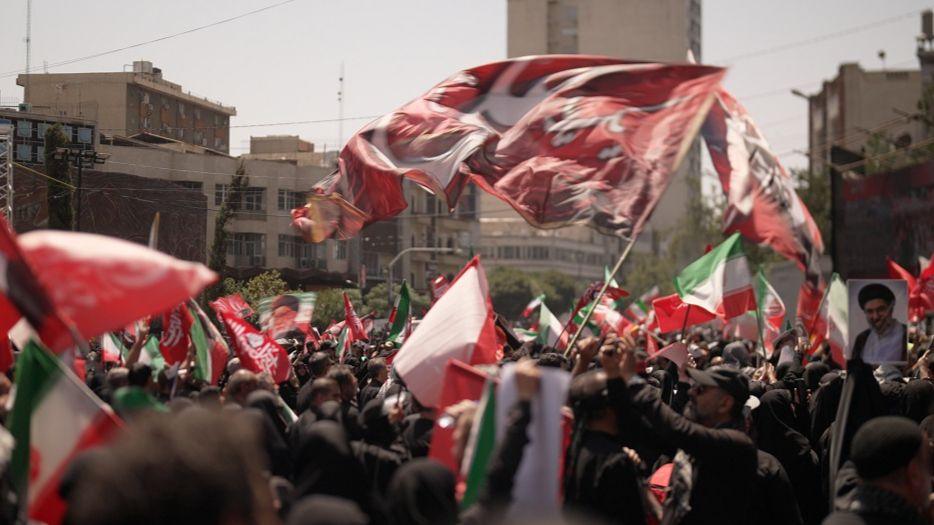
During the march, the streets were stained red by mourners, chanting slogans such as “death to America” and “death to Israel.” The procession was described by officials as a “political spectacle” meant to project the image that the Republic remains resolute and that its leaders are above national politics.
While millions streamed in, many avoided the parade out of grief or discomfort after two wars in the past year, inflation hovering near 80 %, and the sting of January’s unsanctioned protests. Some blamed Khamenei, the commander‑in‑chief, for the security crackdown that cost thousands of lives.
An aerial view of the crowd revealed a sea of black, with religious flags and banners echoing messages of revenge against perceived enemies. The route resonated with the slogans “Our revenge is inevitable,” a message amplified by government messaging apps.
The funeral’s final stages took the coffins to some of Shia Islam’s most sacred sites: Qom on Tuesday, onward to Najaf and Karbala in Iraq, before a burial in Mashhad. This week’s movements aimed to portray Khamenei as a transcendent religious and political figure whose legacy spans the Muslim world.
"Tears arise from the pain and sorrow that surges within a person, and the world sees this truth," President Masoud Pezeshkian said, denying Donald Trump’s claim that the dirges were fake. Yet the mourners were more focused on the future: whether Iran could negotiate relief from sanctions while upholding vows of vengeance.