In brief
The recent electoral success of Donald Trump has prompted a kaleidoscope of reactions from various factions in Israel and the Palestinian territories. While many Israelis express optimism over what they view as a favorable political alignment, the voices of Palestinian citizens resonate with concern and skepticism—for the future remains fraught with uncertainty.
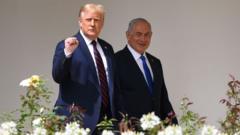
With Trump’s return to power, many in Israel view it as an opportunity for reaffirmed support from their long-standing ally. As Prime Minister Benjamin Netanyahu was quick to celebrate the former president's electoral win, discussing his deep ties to Israel, sentiments from Jerusalem reflect the relief and enthusiasm among some leaders like Rabbi Rafael Shore, who assert that “Trump understands the language of the Middle East.”Notably, Trump’s policies had been received well in Israel during his initial term, particularly his withdrawal from the Iran nuclear deal and recognition of Jerusalem as Israel's capital. However, former Israeli Ambassador to the U.S., Michael Oren, urged caution, reminding that Trump’s aversion to conflict may put him at odds with Netanyahu's coalition allies who have hawkish views, especially regarding Gaza and the West Bank settlements.While Israeli leadership revels in a potential resurgence of their strongest advocate, Palestinians in Gaza and the West Bank face a more complex reality. Gazan residents, like Ahmed, whose family suffered severely during ongoing conflicts, describe their desires for peace, emphasizing that they hope Trump can mediate a resolution. Conversely, voices like Sabri Saidam from the Palestinian Authority express distrust in American interventions, calling for a more impactful 2.0 version of Trump that focuses not just on military support for Israel, but also addresses Palestinian human rights and needs.As Israel grapples with its internal political landscape and potential shifts in U.S. foreign policy, the varied perspectives within the region underscore the challenges that will face both leaders in the coming term. With hopes pinned on negotiations for peace and cooperation, past experiences indicate that the road ahead remains unpredictable, leaving many questioning if the return of Trump may indeed bring renewed stability or exacerbate ongoing tensions.In navigating this intricate political web, both Netanyahu and Trump will need to confront the demands of their respective bases to achieve meaningful progress, lest history repeat itself in discontent and unrest.