
In brief
As Bashar al-Assad's regime crumbles, Ahmed al-Sharaa emerges as a pivotal figure in Syria's political landscape. With challenges ahead, including foreign interference and societal expectations, his leadership will be tested in the quest for revitalization and unity.
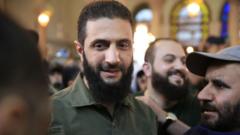
After nearly a decade of violence and suffering, Syria stands at a crossroads, prompted by the recent shifts in power dynamics as rebels like Ahmed al-Sharaa rise to prominence. Once known by his pseudonym Abu Mohammed al-Jolani, al-Sharaa's transformation from jihadist fighter to the de facto leader of Hayat Tahrir al-Sham (HTS) reflects a broader shift in the Syrian landscape. His recent expressions of a more tolerant Syrian identity raise hope and skepticism in equal measure.As Bashar al-Assad’s allied forces retreat, the circumstances surrounding HTS's recent military successes have reshaped the narrative within Syria. Many Syrians, who felt trapped under the oppressive regime, welcomed the changes but are wary of HTS’s past affiliations and commitments. The contentious discussions surrounding women's rights in Syria have intensified, especially after al-Sharaa faced backlash for a photo with a woman who chose to wear a hood. He deflected concerns about potential Islamic law impositions, emphasizing a new constitution to guide the nation, albeit acknowledging that the committee's members will be handpicked.The extensive damage suffered during years of conflict complicates al-Sharaa's promises of political reform and stability. He contends that lifting sanctions is pivotal for rebuilding, arguing that the focus should shift from punishing victims to offering pathways for recovery. This sentiment resonates with citizens yearning for peace, though international skepticism looms regarding HTS's classification as a terrorist organization.Meanwhile, al-Sharaa faces external pressures that threaten Syria’s sovereignty. As Israel continues its military operations within Syrian borders, al-Sharaa proclaims a desire for peaceful relations, placing emphasis on recovery rather than aggression. His broader vision for Syria remains clouded amid foreign interventions and rival factions that threaten to upend any semblance of order.Ultimately, al-Sharaa's leadership could play a crucial role in determining Syria's future. Should he effectively navigate the myriad challenges of political reform, social stability, and international diplomacy, there may be a chance for revitalization. However, the enduring scars of a brutal conflict and the longing for justice among the populace may test his resolve and legitimacy in the eyes of those he seeks to lead. As the region continues to evolve, all eyes will remain on Syria—a crucible of complexities and a testament to the resilience of its people.


