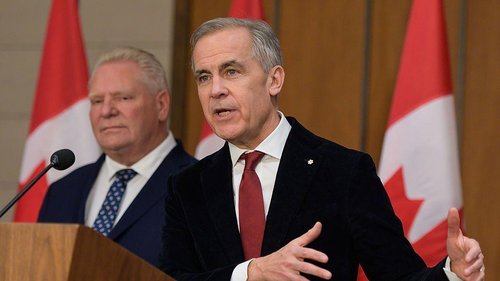
In brief
In a strategic move to avert potential tariffs imposed by former President Donald Trump, Canadian Prime Minister Justin Trudeau detailed new measures aimed at curtailing the trafficking of fentanyl. This synthetic opioid has increasingly infiltrated North America's drug landscape over the past decade, contributing to a staggering number of overdose deaths in both Canada and the United States.
Fentanyl, which is notorious for its potency and pervasive presence in illegal drug markets, has claimed tens of thousands of lives across the continent. Although President Trump has often criticized Canada and Mexico for their roles in the opioid crisis, statistics reveal that less than one percent of fentanyl entering the U.S. originated from Canada last year, highlighting the ongoing complexity of the issue.The grim reality, however, is that Canada is grappling with its crisis. Recent reports indicate that there are days when more Canadians succumb to opioid overdoses than their American counterparts. The proliferation of organized crime groups involved in fentanyl production within Canada has worsened the situation. Local law enforcement has uncovered links between Canadian crime syndicates and formidable Mexican drug cartels, exacerbating fears surrounding fentanyl distribution.In recent years, Canadian police forces have dismantled 47 fentanyl production labs, underscoring the country’s commitment to addressing the epidemic. Notably, the largest operation was shut down last year in British Columbia, which had enough materials to manufacture a staggering 96 million doses of opioids.With these initiatives, Canada is not only fighting to protect its citizens from the fentanyl crisis but also endeavoring to ease tensions with its southern neighbor and demonstrate its commitment to reducing drug trafficking.