
In brief
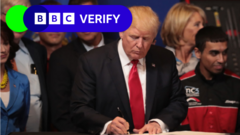
The ongoing H-1B visa debate sees Trump supporters divided as some argue it undermines American jobs while others advocate for its benefits in attracting global talent. Recent statistics reveal significant trends in visa approvals, employer industries, and employee demographics.
The immigration debate has taken a heated turn among supporters of Donald Trump, centering around the H-1B visa program, which allows U.S.-based companies to hire skilled foreign workers. Critics, particularly among immigration hardliners, argue that the H-1B system undermines opportunities for American workers. In contrast, supporters claim it is essential for attracting top talent from around the globe.Trump, who has previously criticized the visa program, now expresses support for it, finding alignment with tech billionaire Elon Musk, who defends its role in securing the "top 0.1% of engineering talent." The current analysis sheds light on key statistics regarding H-1B visa approvals, application numbers, and the demographics of recipients.Since its introduction in 1990, the H-1B visa program has been capped at 85,000 new visas annually, with a portion set aside for advanced degree holders from U.S. institutions. Despite the cap, applications have soared, with USCIS reporting over 386,000 approvals for the 2023 fiscal year, including nearly 119,000 new visas and 267,000 extensions. This figure signifies a decrease from 474,000 in 2022, establishing a pattern of fluctuating demand and competition for the visas.Historically, increased scrutiny has come with administrative changes; Trump’s administration saw rejection rates soar to 24%, while current data indicates more balanced approval rates under Biden, though total annual approvals remain comparable. The ongoing legal lottery system for H-1B applications has drawn criticism, with advocates arguing that a lottery fails to identify the best and brightest skilled workers.As we approach 2024, preliminary figures suggest applications are on the rise, with nearly 759,000 registrations—up from about 474,000 in the previous year. As Trump prepares for a potential return to the presidency, the resolution of the H-1B conflict looms large over his forthcoming term, exposing a fissure between his traditional support base and newer economic imperatives.The majority of H-1B holders work in STEM fields, particularly in computer-related occupations, which constituted 65% of approvals in 2023. Significant employers include Amazon, Google, and Meta, with clear trends emerging in geographic distribution—California and Texas harboring the largest populations of H-1B workers.Visa holders earn substantial incomes, with a median annual salary of $118,000 in 2023, outperforming broader wage averages in equivalent fields. Schisms around wage impacts linger, as some argue that H-1B holders depress salaries for domestic workers, while others assert adherence to prevailing wage standards demonstrates their equitable integration into the workforce.With an overwhelming 72% of approved H-1B visa recipients hailing from India, diverse backgrounds mark the workforce, predominantly male, averaging 33 years of age. This growing contention suggests the impending discourse on H-1B visas will significantly shape future immigration policy amid changing administration dynamics.
