In brief
In South Africa, conservationists are working to protect endangered albatrosses from deadly fishing practices. With collaboration from local workers, innovative bird-scaring lines are being deployed to prevent these seabirds from getting caught in fishing gear. This initiative not only aims to reduce the accidental deaths of albatrosses but also supports the local economy by training disabled workers to produce these protective devices.
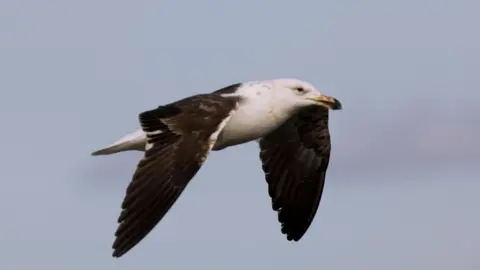
On a small boat in the Atlantic, about 27 nautical miles from South Africa's Cape Point, bird watchers enthusiastically call out names of seabirds like the Atlantic Yellow-nosed and Black-browed Albatross. These tours, run by Cape Town Pelagics, give enthusiasts a chance to see endangered seabirds that are rare on the mainland.
This vivid setting masks a troubling reality: the very birds being admired are frequently caught and killed by fishing vessels. The skipper of the boat, while navigating towards fishing trawlers, keeps an eye on the skies where hundreds of birds flock, drawn by promises of discarded fish.
As these birds dive for food, they often fall victim to long lines used in commercial fishing, which can span up to 62 miles and contain thousands of baited hooks. Conservationists highlight that seabirds lose their lives through bycatch, an accidental consequence of fishing methods that pose significant risks to albatrosses, which spend much of their lives at sea.
The Albatross Task Force, led by BirdLife South Africa’s Andrea Angel, aims to combat this crisis. Albatrosses, with their long lifespan and monogamous breeding habits, are particularly sensitive to population extinction once they are threatened by fishing practices.
To counteract these lethal encounters, simple yet effective bird scaring lines, designed to deter birds from fishing areas, have been implemented. These colorful streamers are crafted by disabled workers from the Ocean View Association for Persons with Disabilities, connecting both conservation and community empowerment.
This collaboration not only supports marine conservation but also helps local economies by providing meaningful work to individuals who are often marginalized. Enhanced awareness and training have contributed to the immense reduction of seabird fatalities, with documented decreases in casualties by as much as 90% in southern African fisheries.
The hope is that these innovative strategies can be replicated globally, ensuring the future of albatrosses and harnessing the intrinsic value they provide to marine ecosystems.