In brief
The raid came after Starbucks Korea’s “Tank Day” promotion – launched on the anniversary of the 1980 Gwangju Uprising – was widely seen as a reference to military tanks used to suppress pro‑democracy protesters. Criminal charges were filed against the company for defamation and the corporation took internal action, including the dismissal of its chief executive. Police action on the headquarters signals how seriously South Korea is treating a sensitive chapter of its history and highlights the broader political fallout surrounding the incident.
Police raid Starbucks Korea HQ over “Tank Day” fiasco
South Korean police raided the national headquarters of Starbucks after a criminal complaint was lodged regarding the brand’s recent “Tank Day” promotion, which many saw as an affront to the memory of the 1980 Gwangju Uprising.
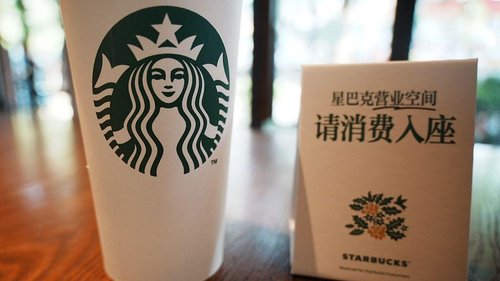
The promotion – a brief marketing campaign that offered a coffee tumbler with the word *tank* printed on it – was launched on the anniversary of the uprising, a day that commemorates the killing of hundreds of pro‑democracy protesters by the military. It sparked a nationwide boycott, angered civic groups and drew criticism from the president and other public figures.
Shinsegae Group, which operates Starbucks in Korea, later announced an internal investigation and said the mistake was unintentional. The company's CEO was dismissed and stores closed for half a day in June to allow staff to attend history lessons. Despite the apology, the case was taken up as a defamation complaint in court.
The police raid illustrates how deeply the incident resonated. It reflects the state’s willingness to hold corporate actors accountable when cultural and historical symbols are misused, and underscores the political tensions that the controversy has stirred among South Korea’s major parties.
For more on the “Tank Day” backlash, see BBC News.