In brief
Nicaragua’s long‑time president Daniel Ortega seeks a one‑year extension to his presidency, a move that would solidify his grip on power. The proposed constitutional reform also aims to exclude opposition figures branded as “traitors” from running for office, following a series of measures that have curtailed democratic participation. Ortega’s 19‑year rule has seen opponents jailed, exiled, or stripped of citizenship, a trend warned against by United Nations officials who report an erosion of rule of law. With term limits scrapped in 2014 and a six‑year term introduced in 2024, the new amendment could cement an almost uninterrupted presidency. The legislative change comes amid fears of escalating repression and a climate where few citizens speak against the regime.
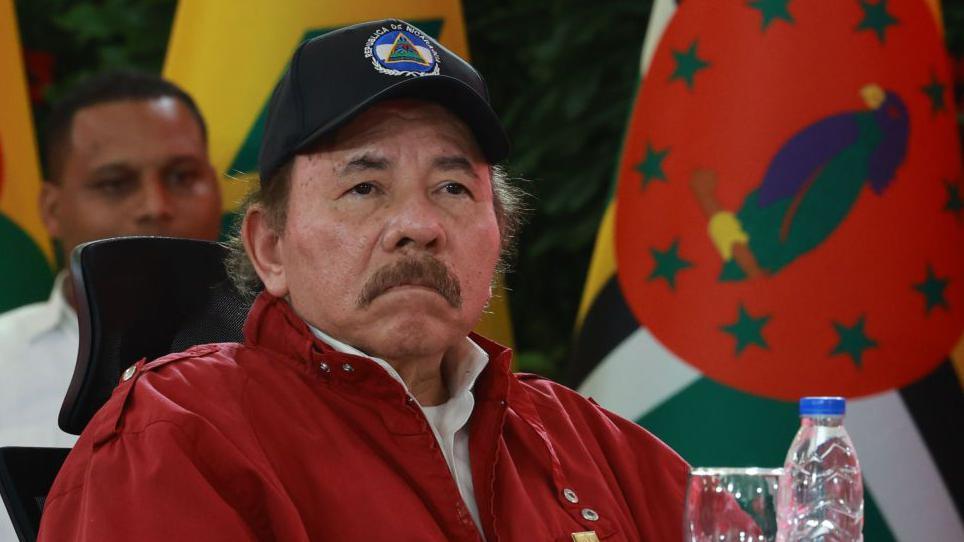
President Daniel Ortega, who has ruled Nicaragua since 2007, announced that he wants to extend his presidential term for an additional year.
The National Assembly, largely aligned with the government, is expected to approve the extension in September as part of a comprehensive constitutional reform plan. The reform also seeks to ban opposition figures branded by the administration as ‘traitors’ or ‘coup plotters’ from standing for office.
Ortega has tightened his grip on power over the past decade, imprisoning critics, forcing dissidents into exile, and stripping them of citizenship. He has dissolved term limits in 2014 and, in 2024, extended the term length from five to six years.
The proposal comes after the government’s December 2021 election, which was marred by a brutal crackdown on opposition candidates and led to the arrest and exile of many potential rivals.
United Nations human rights chief Volker Türk warned that repression has intensified in Nicaragua, with the rule of law eroded and political dissent increasingly punished. Very few Nicaraguans openly criticize the regime, and exiles are being targeted.
The bill also gives co‑president Rosario Murillo a designated role, cementing her potential succession should Ortega be declared permanently absent. The move signals a further consolidation of the Ortega‑Murillo authority.
If passed, this amendment would solidify an unbroken presidential line and erode the only remaining democratic footholds in the country.