In brief
A black‑furred monkey with striking pink‑orange lips has been officially described as the fifth new African primate in 75 years. The species, locally known as "Likweli", was first sighted in 2008 but only confirmed today as "Colobus congoensis" after a decade‑long search combining field photography, audio recordings and genetic analyses. Researchers say the animal’s distinctive rouges and roaring call suggest social signalling and influence forest seed dynamics. Hunting pressure now that the species is protected raises hopes for conservation, while further studies aim to estimate population numbers.
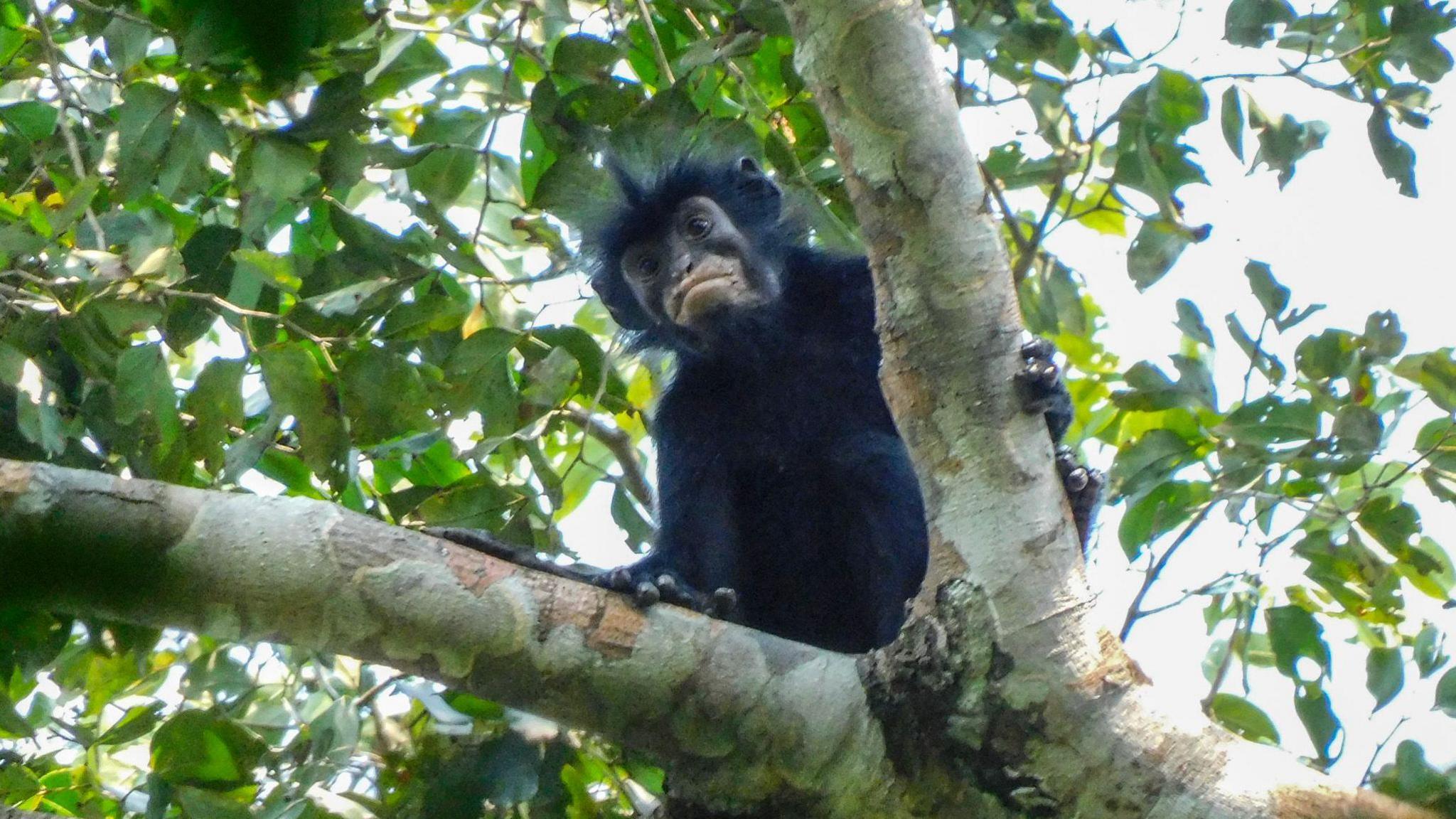
Scientists have confirmed a black‑furred primate, recognised for its bright pinkish‑orange lips, as a new species in the Democratic Republic of Congo (DRC). The animal, named "Likweli" by locals and formally classified as Colobus congoensis, was finally identified after a decade of research that combined field photographs, audio recordings and DNA testing.
The discovery took place in Lomami National Park, where researchers first spotted the shy monkey perched high in the tree canopy in 2008. Only a single blurry photo was captured that year, but a second sighting ten years later led a multinational team—composed of scientists from the DRC, the United States and Germany—to confirm the species’ uniqueness.
Colobus monkeys don’t have thumbs and are key herbivores in forest ecosystems, helping process seeds and promote germination. The new species shows striking facial markings that researchers believe may serve as visual signals or mating displays. Their unmistakable “roaring” call is heard often but rarely seen.
The species is now listed in the journal PLOS One and is protected under DRC law, potentially curbing hunting pressure. Further studies will investigate population size, distribution and behaviour to fully understand its ecological role.
For more on the discovery, the BBC’s accompanying video shows researchers recording the raucous calls deep in the forest. The video is available on the BBC News website and can be streamed by users with JavaScript enabled.