In brief
On Sunday President Trump announced an energy ceasefire between Russia and Ukraine, but Moscow has remained silent while Kyiv’s response is mixed. Zelenskiy dismissed the announcement as unimportant, and the Kremlin has not yet commented publicly. Russian state‑backed outlets have framed the ceasefire as a boon that limits Ukrainian attacks on energy infrastructure. Meanwhile, Ukraine reports continuing Russian drone strikes on power stations, deepening fuel shortages. Moscow hopes the ceasefire will tighten US support for Kyiv and justify further pressure on the West.
On Sunday President Donald Trump declared that Russia and Ukraine had reached a ceasefire on strikes against energy infrastructure "effective immediately", but Moscow has offered no public comment. Zelenskiy, the Ukrainian president, called the announcement "news for me", while Kyiv continues to pursue a peace window.
The Kremlin’s silence is echoed by its spokesperson Dmitry Peskov, who said contacts were ongoing but promised to update reporters when any decision was made. Despite the lack of official confirmation, pro‑government outlets such as Moskovsky Komsomolets have praised the ceasefire as a benefit, noting that it limits Ukraine’s ability to attack Russian oil facilities.
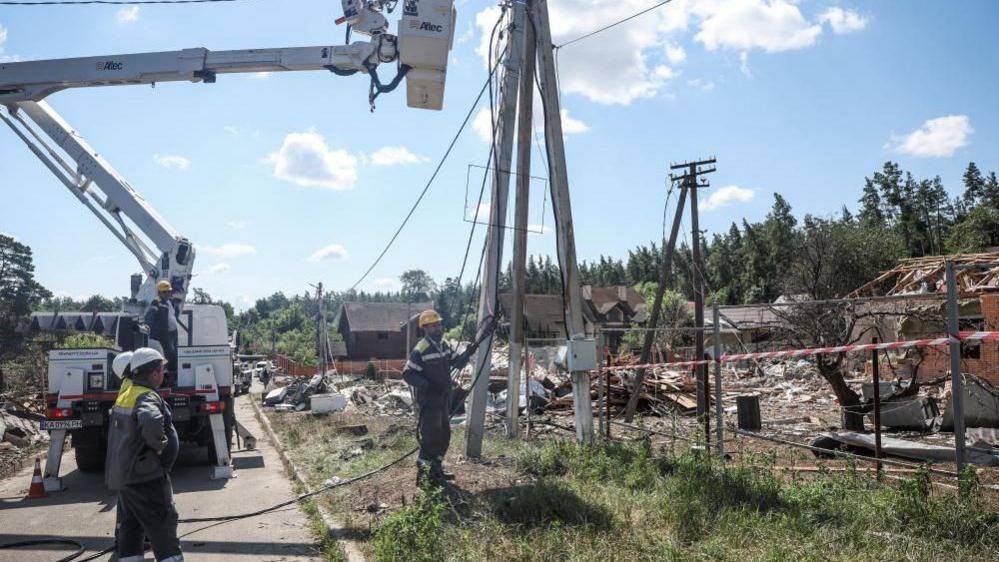
Russian drone attacks on Ukrainian energy targets have grown in frequency, straining fuel supplies across the country. Moscow sees the ceasefire as a binding north‑south exchange that would restrict further Ukrainian attacks while preserving Russian influence.
Trump’s announcement comes at a time of increasing scepticism over a US‑Russia fuel deal, with critics arguing the volume is too small to influence prices. Moscow intends to use rising tensions over energy to curtail US support for Kyiv and weaken political allies in the West.
While Kyiv has called for a 60‑day ceasefire to allow elections, the Kremlin has only offered a one‑day pause, dismissing the proposal as insufficient. Moscow’s position remains that it seeks a lasting peace, but this has been interpreted as a commitment to ongoing strikes.
The ongoing conflict, the energy ceasefire announcement, and the conflicting narratives from the Kremlin, Kyiv, and the United States will continue to influence geopolitical dynamics for months to come.