In brief
The 2026 U.S. midterm Senate debates have turned into a three‑point spotlight. First, a wave of Republicans are distancing themselves from President Trump, illustrating a shift that could reshape the GOP's strategy. Second, personal insults have risen sharply, from race‑related accusations to outright slurs, heightening the rancour of the campaigns. Finally, over half the races lack formal debate schedules, giving opponents a free‑fire platform while candidates forgo public scrutiny. Together, these trends hint at a more fractured, aggressive, and unevenly contested electoral landscape.
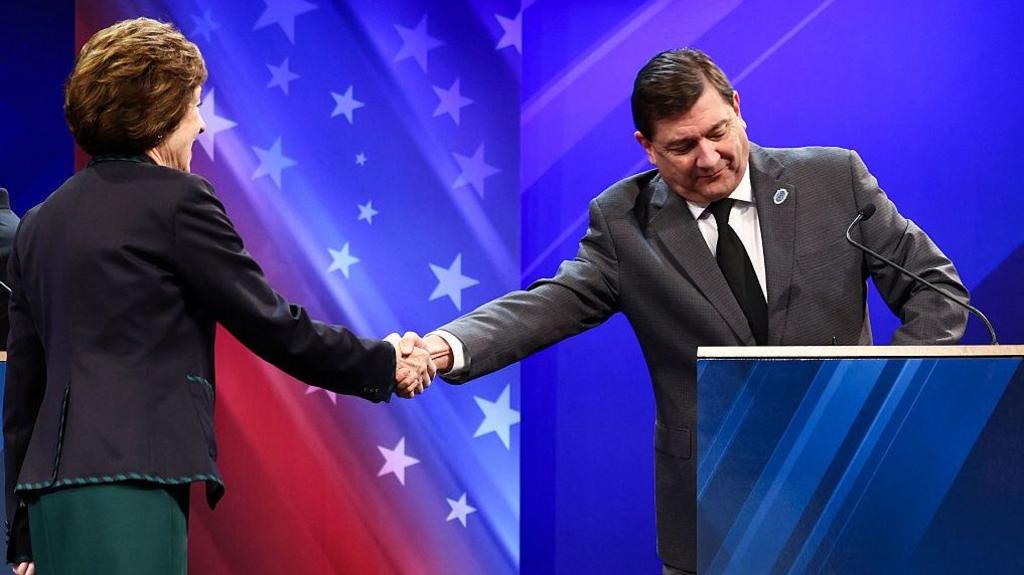
In the final weeks before November’s midterms, Senate candidates have traded sharp rhetoric over Twitter, TV and live stages.
1. Republicans Split on Trump
A recent Reuters analysis found that two‑thirds of competitive Republican candidates are pulling away from President Trump in some way. Senator Susan Collins of Maine, for example, highlighted that she voted against Trump 137 times in the current Congress, while aligning with President Biden 91% of the time. This stance has cost her a tighter race against Democrat Troy Jackson, even as early polls show an even split.
In Iowa, Congresswoman Ashley Hinson battles Democrat Josh Turek. Though she remains loyal to Trump personally, she has broken with him on key policy issues, most recently criticizing a federal gas‑price deal with Russia.
2. Personal Attacks Rise to the Fore
The heated tone has spilled into face‑to‑face exchanges. In Michigan, Senator Mike Rogers asked his Muslim opponent, Democrat Abdul El‑Sayed, whether anyone on his family might be on a watchlist—prompting a scathing rebuttal about being a “sock puppet” for the Trump administration. Across the South, Senator Jon Ossoff called Rep. Mike Collins a “bigot” who “hired half the Third Reich,” a claim Collins sharply denied.
3. Candidates Skip Debates Entirely
Out of the 35 Senate seats up for grabs, 21 races have no scheduled debates. The Texas – Democrat James Talarico vs Republican Ken Paxton contest is a prime example. Paxton, who received Trump’s endorsement, has declined multiple debate invitations, leaving Talarico to run messages unchallenged and potentially upset a traditionally Republican electorate.
The absence of debate has been criticized by political scientists who note that it removes a chance for candidates to counter negative framing and shape their own narrative.
What It Means for the Elections
These dynamics point to a more divided party base, a surge in personal ammunition that could drain voter turn‑on, and a race map on which missing voices may tilt the balance. As voters head to the polls, the lines between policy debate and character attack will likely define who captures the Senate’s power in the 2026 cycle.