Ahead of next year’s midterms, many members from both major parties have announced their departures from Congress. Some are retiring, while others are seeking higher office, contributing to a wave of change that could reshape the political landscape as the 2026 elections approach.
Historically, midterm elections pose challenges for the party of the sitting president, and as Republicans maintain a slim majority in the U.S. House, the exodus of certain GOP members—many of whom have been prominent supporters of former President Donald Trump—raises questions about the party's future strategies to retain control.
For Democrats, these announcements present a chance to reclaim seats and potentially shift the balance of power in the House. Congressional retirements often signal the amount of turnover expected as new candidates prepare to enter the political arena.
Current Departures from the House
Upcoming elections are influenced by a series of notable announcements from members deciding not to run for reelection:
Rep. Troy Nehls (R-Texas)
Date of announcement: Nov. 29, 2025
Reason: Retiring
Nehls, after three terms, endorsed his brother Trever as his successor.
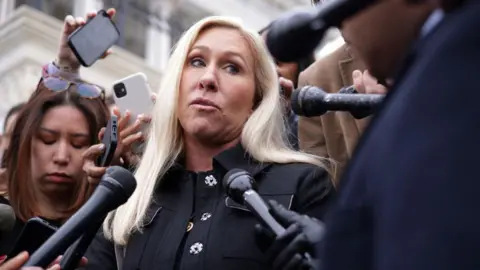
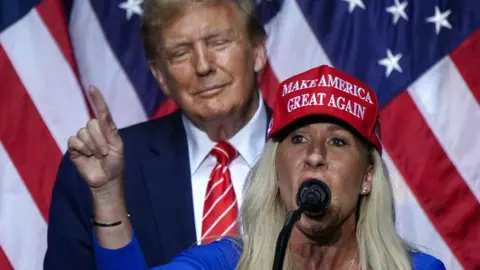
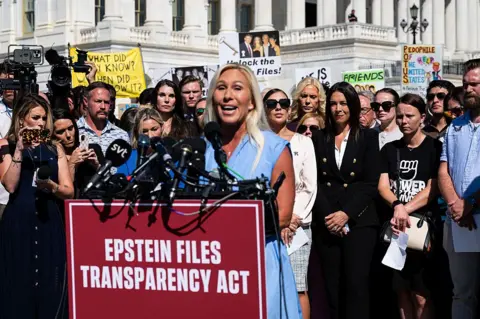
Rep. Marjorie Taylor Greene (R-Ga.)
Date of announcement: Nov. 21, 2025
Reason: Resigning
Greene’s stark shift from Trump loyalist to critic culminated in her decision to resign ahead of the 2026 elections.
Rep. Eric Swalwell (D-Calif.)
Date of announcement: Nov. 21, 2025
Reason: Running for governor
Swalwell is transitioning from Congress to campaign for the governorship.
Rep. Nydia Velázquez (D-N.Y.)
Date of announcement: Nov. 20, 2025
Reason: Retiring
Velázquez, a long-serving Congresswoman, announced her retirement with calls for generational change.
Rep. Jodey Arrington (R-Texas)
Date of announcement: Nov. 11, 2025
Reason: Retiring
Despite receiving Trump's endorsement for reelection, Arrington decided to step away from Congress.
The announcements continue as departure plans unfold from multiple other prominent members, suggesting a compelling shift in congressional representation that will shape the political landscape leading into the midterms. Democrats are looking to capitalize on these opportunities, while Republicans navigate the complexities of maintaining their current majority.