In brief
Peaceful demonstrations in Mauritius escalated into violence when a woman was shot at a police roadblock. Prime Minister Navin Ramgoolam imposed an overnight curfew to quell the unrest. The incidents followed weeks of protests over water shortages and a high cost of living. An officer involved in the shooting has been arrested, and authorities are preparing for a cabinet review. Residents and foreign embassies have been advised to stay cautious as the nation works to restore normalcy.
Background. The Indian‑Ocean island nation, renowned for its tourism and financial services, has been rocked by violent protests that erupted from peaceful demands over water shortages and a rising cost of living.
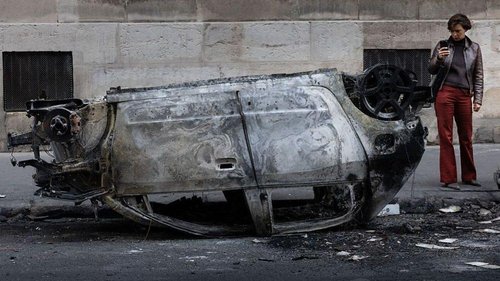
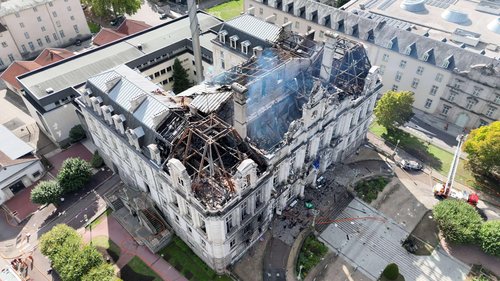
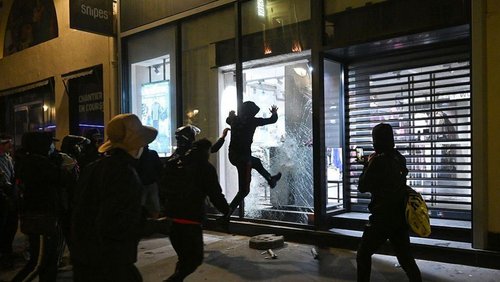
\The Escalation. Over the weekend, demonstrators burned tyres, blocked roads, and vandalised public facilities, including police stations. The unrest culminated on Friday when police fired at a roadblock, wounding a woman whose circumstances remain unclear.
\Government Response. Prime Minister Navin Ramgoolam ordered an overnight curfew on Tuesday, warning that those who had acted “against the interests of the country” would face heavy consequences. The curfew lifted by Wednesday morning, and authorities reported that traffic had resumed across the island.
\Police Actions. The officer involved in the shooting has been arrested and remanded for the day. Police say several arrests were made during the curfew period, and they continue to monitor the situation.
\Expert Insight. Zoë McCathie, an analyst at South Africa‑based Signal Risk, noted that the scale of the protests—unlike any since 1999—warranted the government’s decisive measures. She cautioned that water shortages could persist until the rainy season arrives in December.
\Next Steps. The cabinet is scheduled to meet Wednesday afternoon to reassess the situation and outline further steps. Meanwhile, schools and public transport remain fully operational, and foreign embassies advise caution for their nationals.
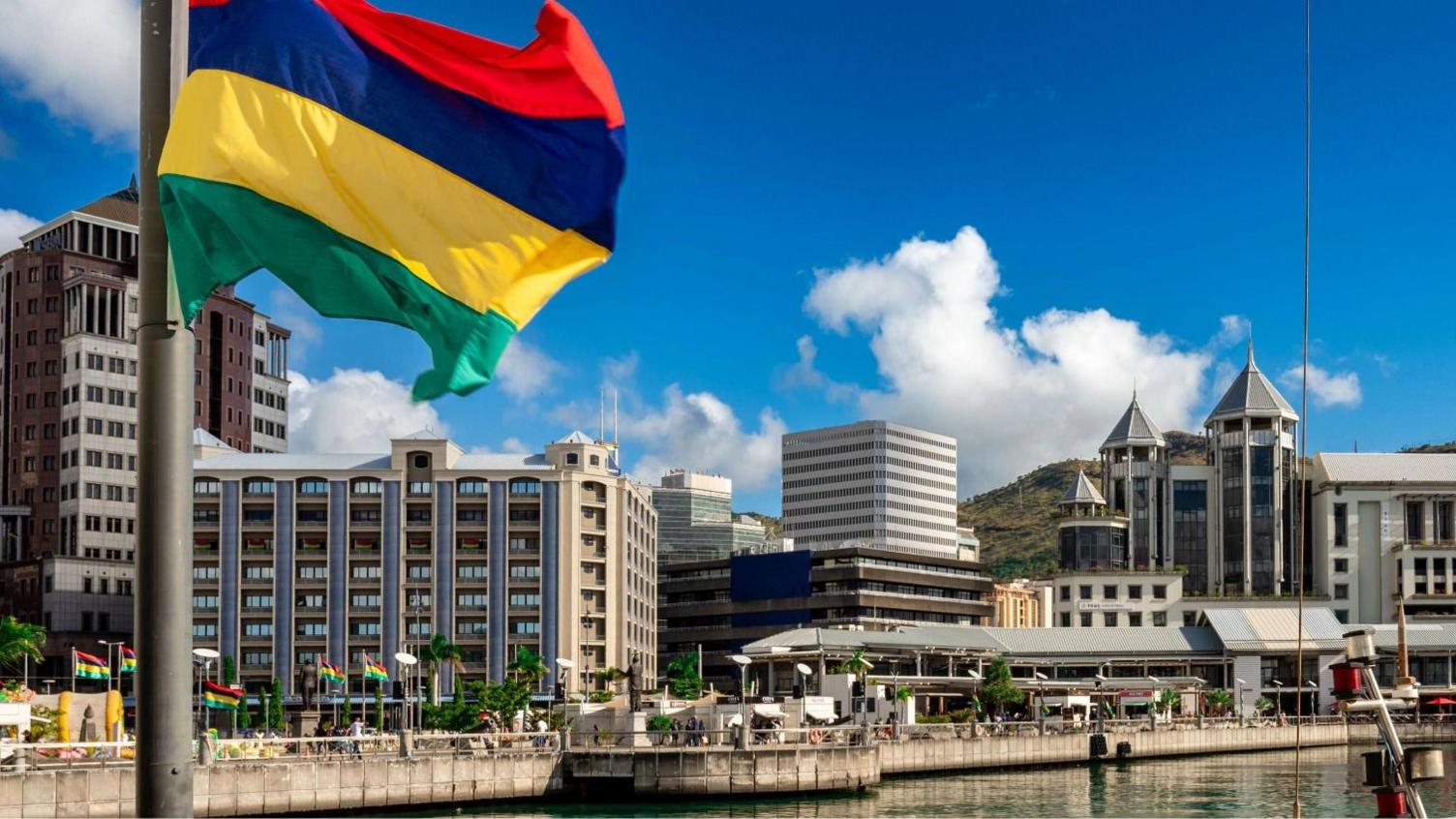
\Visitors to virtual press conferences can explore the city’s waterfront promenade and the area where the unrest began, providing context on how a once‑peaceful community is navigating crisis.
\For further updates, visit BBC Africa
\