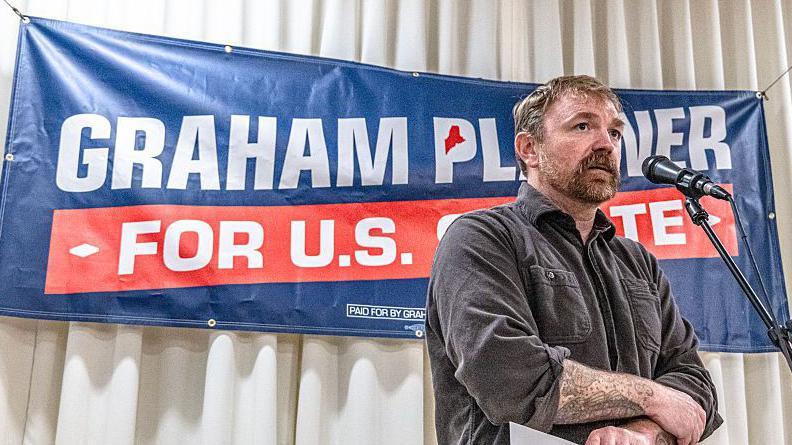
Graham Platner’s journey from an oysterman to the Democratic nominee for Maine’s Senate seat was a textbook outsider story—grass‑roots campaigning, an outspoken voice, and a promise to bring blue‑collar liberalism to the political mainstream.
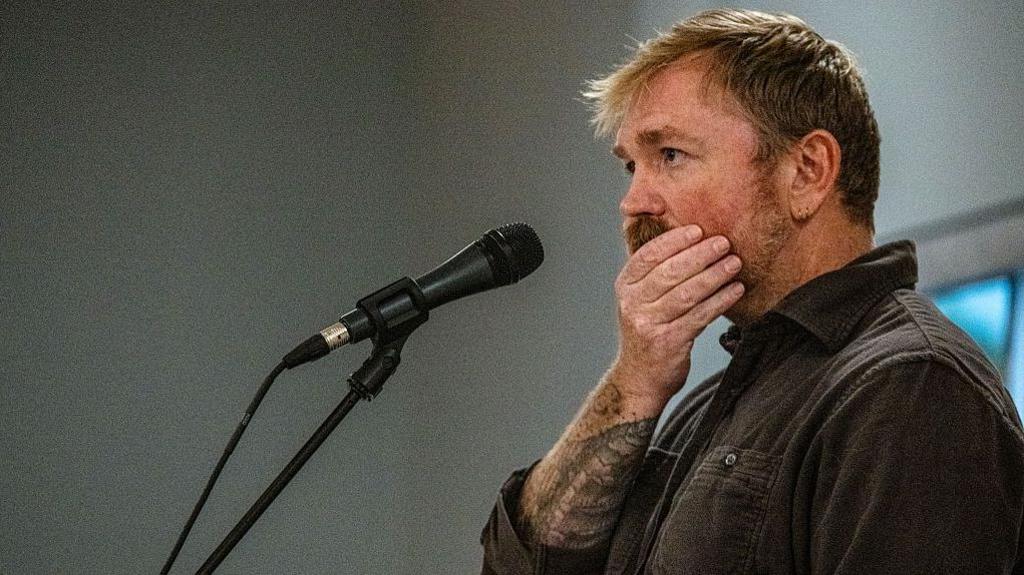
On Wednesday night, he posted a short video on social media announcing that he was suspending his campaign, eight days after a Politico article revealed allegations from an ex‑girlfriend that he had entered her home uninvited and allegedly sexually assaulted her. Platner denied the claim but the damage was done.
The national Democratic machine, including stalwarts like Senators Bernie Sanders and Elizabeth Warren, withdrew financial support almost immediately. By mid‑week, it was clear that the party was looking for a replacement candidate rather than a patch‑up, with many members now questioning the viability of the progressive path he embodied.
"We went toe to toe with one of the most entrenched political systems in the world, and we won," Platner said as he signed off on his campaign. "And now they are not going to let us have it, not if it's me." His words left a clear message: the machinery of the party had failed to deliver what his supporters expected.
Maine matters to Democrats because the seat is a “must‑win” in the 2026 midterms. Senator Susan Collins has held the seat for 30 years and has proven to be a durable Republican. The loss of Platner could shift the balance to a more traditional candidate who may lack the outsider appeal that made the primary a surprise success.
State party chair Devon Murphy‑Anderson accused Platner’s team of attempting to "manipulate" the nomination process, a claim that turned into a polemic over whether the replacement would emerge from an “open and democratic” process or be parachuted in by the establishment. The controversy risks alienating platner’s base, which made up roughly 72% of Maine’s Democratic voters in the primary.
Amid the chaos, the state party announced that a convention would be held in the next two weeks to select the new nominee, with a deadline of 27 July urging delegates to act swiftly. Factions within the party are now funneling support toward candidates with more experience— such as former governor‑candidate Troy Jackson, state epidemiologist Nirav Shah, and former Secretary of State Shea N. Bellows—each bringing name recognition and a veteran campaign infrastructure.
Experts point out that the fallout goes beyond a single seat: the Twin‑Spur of progressivism that Platner represented could have provided a persuasive foundation for a left‑wing presidential run in 2028. The current situation stresses the fragility of that potential, showing that the party’s reliance on charismatic, slightly unverified outsiders carries inherent risk.
The stakes are layered—not only is the Senate race crucial for controlling the upper chamber, but the process by which a replacement is chosen could set a precedent for how the Democratic Party navigates contentious leadership transitions in future elections.
For voters eyeing the path ahead, the pressing question is whether the replacement nominee can retain the momentum that drove Platner’s unexpected surge while providing the party with a credible, clean campaign to take to November. The outcome will reverberate across the national political landscape and could influence how the Democratic Party contends with established incumbents in the coming years.