In brief
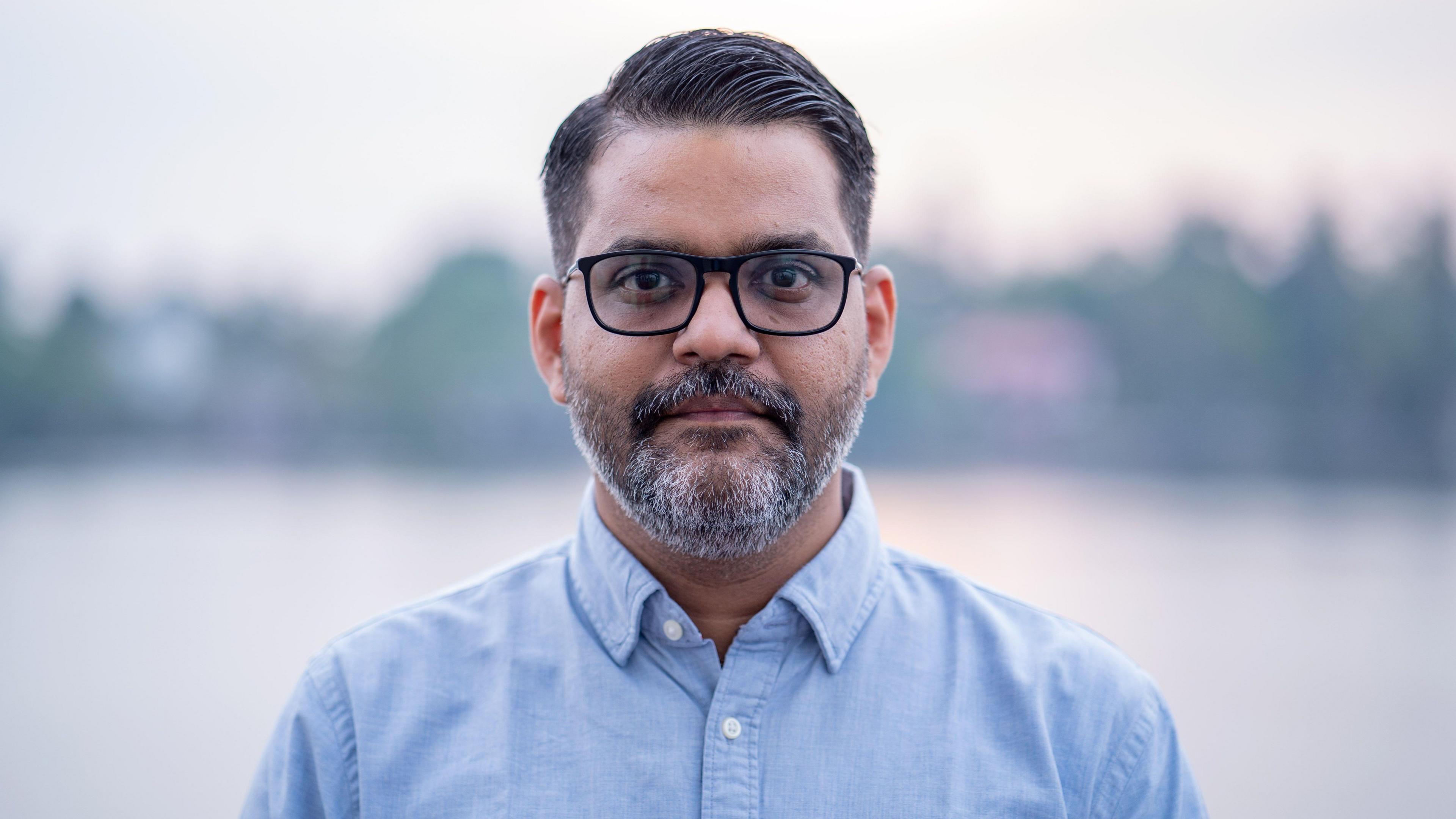
Dr Cyriac Abby Philips is a hepatologist based in Kerala who has earned a massive social media following for his outspoken stance against homeopathy and Ayurveda. His clinical work is marked by compassion and a methodical approach to treating advanced liver disease, while his online persona is fiercely confrontational and often misunderstood. Philips’s journey from an aspiring writer to a dedicated doctor has shaped his mission to promote evidence‑based medicine, leading to several legal cases and public controversies. Despite personal risks, he remains committed to exposing the risks of unregulated alternative treatments and carers’ plight. The story explores both his professional dedication and the personal cost of a highly publicised career.
The waiting room outside the hepatology clinic at Rajagiri Hospital in Kochi is quiet yet tense, caregivers holding medical folders in hope that a cure might still arrive. Inside the clinic the rhythm is different. Dr Cyriac Abby Philips sits at a modest desk, listens carefully, and asks his patients questions that probe for details not obvious at first glance. When he speaks, his voice is calm and his assessment is honest, guiding families with clarity about the path ahead.
In an era where health experts share lessons on social media, Philips has become one of India’s most controversial figures. With a following that exceeds 300,000 on X, he openly calls homeopathy “false medicine” and labels practitioners as quacks, prompting backlash from traditional healers and regulators. His feed mixes public health messages with frequent confrontations, even with celebrities, acting as a double‑edged sword for debate about modern versus conventional medicine.
The Ayush Ministry, which governs traditional medicine, convened committee meetings to discuss his influence, while a police officer once travelled overnight from Uttar Pradesh to question him over a single post. In total he has faced 16 legal cases over six years, several still pending. Yet a side of him that patients and colleagues know is far steadier and gentler than the fiery online persona. In private he is described as polite, respectful, and unassuming.
Philips’s commitment to evidence‑based practice stems from a lifetime of observing shortages, shortages that taught him the value of patient‑doctor trust amid limited resources. He directly witnessed how the absence of insulin led doctors to make impossible choices, a lesson that shaped his view of medical transparency.
In 2025 he stepped back from alcohol, a decision rooted in the wish to model sobriety for his patients, and in the knowledge that he could no longer command abstinence from those he treated.
The Cost of Advocacy. The legal tug‑of‑war has left a financial toll. Hundreds of rupees have been spent on defense, but the true burden is personal: threats to himself and his family. Though his wife sees him as a caring partner, him on social media is perceived as aggressive. He states that he does not stop because he believes the public must hear the truth regarding unregulated medicine and alcohol risks.
Other avenues of his work include investigations into the quality of protein powders and generic medicines, and a book documenting his career and lessons learned. Ahead of a future, he declares that the cost of influence has to be weighed against the right to inform the public about medical facts and safety.
With every patient he treats, he carries the weight of the numbered deaths he has witnessed. His practice reminds him daily: the patient’s dignity matters more than any digital reputation. That is the core of his journey, from a son of a renowned gastroenterologist to a highly debated yet ultimately compassionate healer who champions transparency in the clinical arena.