In brief
The U.S. prosecution of Libyan suspect Abu Agila Mohammad Kheir Al‑Marimi has been postponed for a third time, following the discovery of evidence that was unknown to the defence and the authorities. The next start date is set for January 2027, extending the trial that was originally scheduled to begin in May 2025. Al‑Marimi insists he never built the bomb that killed 270 people, yet a confession obtained in 2012 under duress is set to be admitted at the trial. The postponement signals the complex legal and ethical challenges ahead for both the U.S. and Scottish investigators, while the families of the 1988 Lockerbie victims face another delay. The case, steeped in a 37‑year saga of international cooperation and legal debate, continues to capture global attention.
The United States trial of Libyan suspect Abu Agila Mohammad Kheir Al‑Marimi has been delayed again, following the discovery of evidence that was not previously known to defence lawyers or prosecutors.
Court documents show that the new evidence was uncovered on 21 August, just three days before the planned jury selection in Washington, D.C. The defense team has requested additional time to investigate the material, citing constitutional obligations and ethical duties.
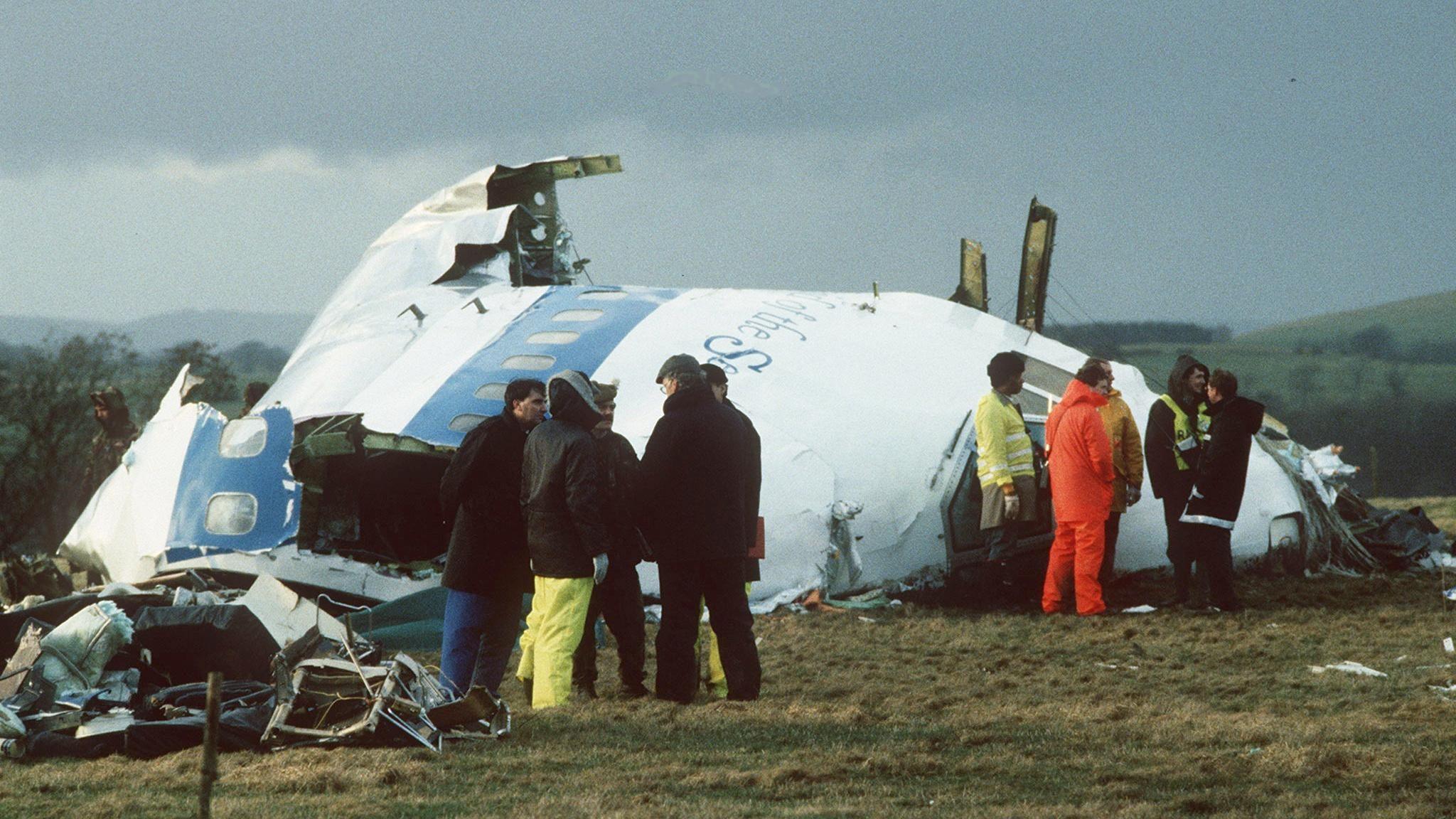
Al‑Marimi denies involvement in constructing the bomb that destroyed Pan Am Flight 103 on 21 December 1988, an attack that claimed the lives of 270 people. A judge has agreed to postpone the start date, which is now scheduled for January 2027.
Impact on Victims’ Families
The families of the Lockerbie victims, who have already endured over three decades of grief and legal battles, are expected to face yet another delay before the case reaches a verdict. Scottish prosecutors have expressed that the decision does not reflect their stance but stems from a joint understanding between the U.S. and U.K. authorities.
Background and Legal Context
Past investigations involved a joint Scottish‑U.S. effort. In 2000, two Libyan militants were tried in the Netherlands; one was convicted and later released on compassionate grounds, while the other was acquitted and returned home.
The confession that Al‑Marimi claims was forced came from a Libyan detention centre in 2012 and was later handed to Scottish authorities, becoming pivotal to the prosecution’s case. A judge has deemed it admissible for trial usage.
The ongoing case remains a landmark of terrorism law, illustrating the profound challenges when international jurisdiction, evidence, and legal ethics converge.