In brief
In a landmark move, Liberia has agreed to receive up to 1,200 foreign nationals deported from the United States over the next year, the largest deal by the Biden administration in its crackdown on illegal migration. The agreement offers deportees the chance, upon arrival, to choose whether to stay or seek asylum, and clarifies that none are criminals or facing legal proceedings in either country. While the U.S. has defended such third‑country arrangements as lawful, human‑rights groups have raised concerns about opacity and the protection of deportees’ rights. Liberia frames the deal as a humanitarian gesture rooted in its history of providing refuge to former slaves and displaced peoples. The partnership illustrates a new phase in U.S.–Africa migration policy, with significant implications for U.S. foreign aid and regional cooperation.
In a historic move last week, the West African nation of Liberia signed a memorandum of understanding with the United States that will allow up to 1,200 foreign nationals—primarily U.S. migrants who cannot legally return to their country of origin—to be deported to Liberia over the coming year.
Liberian Information Minister Jerolinmek Piah described the agreement as a humanitarian initiative, stressing that deportees will arrive as “guests” and can choose to leave the country immediately or apply for asylum within Liberia. “None of the people being transported are criminal and none face prosecution in the United States or Liberia,” Piah added, highlighting the policy’s focus on displaced individuals rather than crime.
The deal is part of a broader U.S. strategy that has increasingly relied on “third‑country” agreements to manage migrants who are legally barred from re‑entering their home nations. Countries already in similar partnership agreements include Ghana, Equatorial Guinea, Eswatini, the Democratic Republic of Congo and Sierra Leone.
Critics argue that such arrangements lack transparency and can leave deportees vulnerable to re‑exposure to persecution. In recent months, Ghana has faced lawsuits for allegedly forcing deportees back to their original asylum countries, while Eswatini’s government has admitted that some individuals voluntarily returned home after arrival.
The United States has defended the agreements as fully legal, though the U.S. State Department has yet to comment on the current partnership with Liberia. The U.S. will reportedly provide funding and administrative support to help Liberia manage the influx, enhancing its migration systems to accommodate the new arrivals.
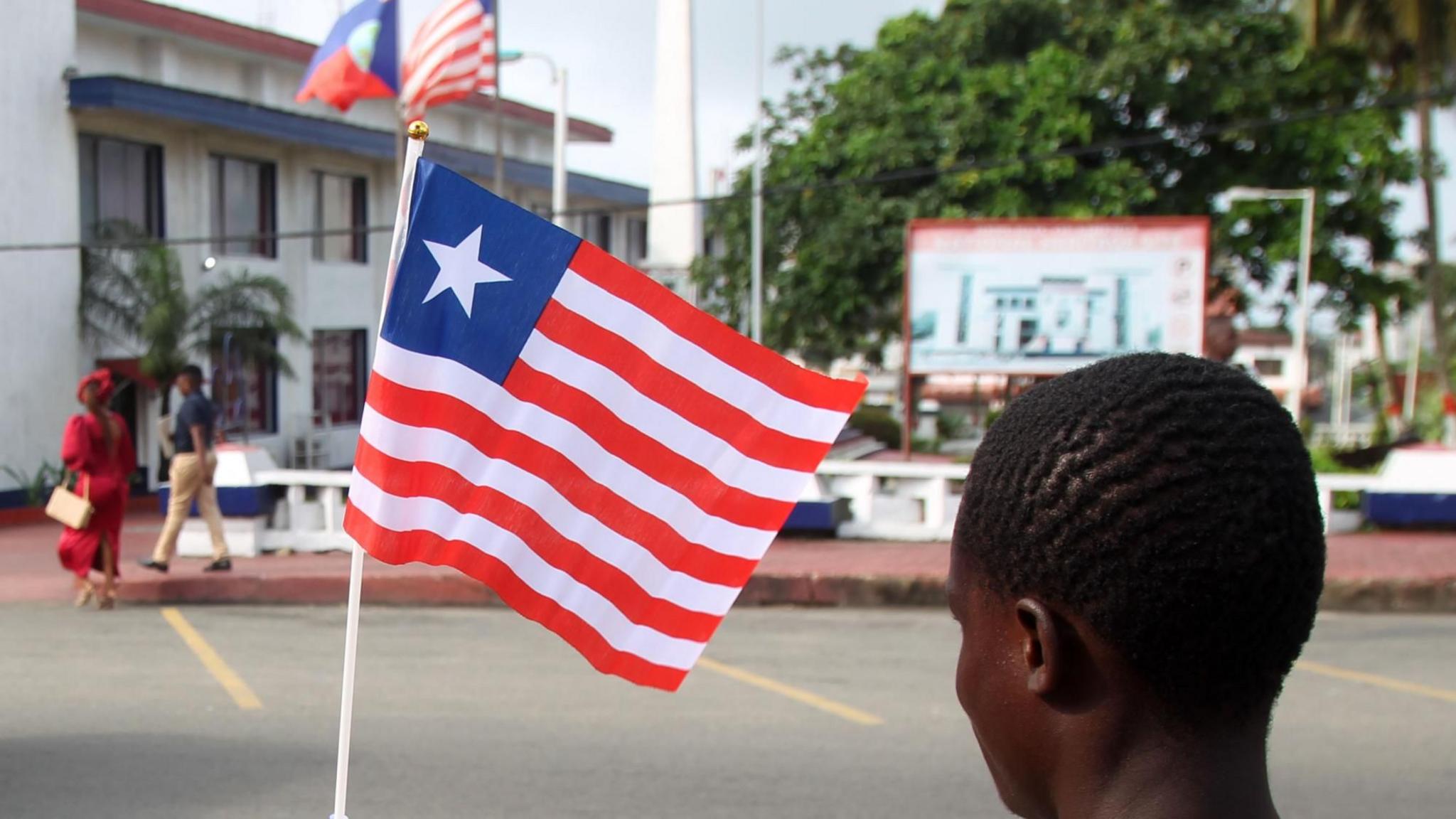
Liberia’s commitment reflects the nation’s historical legacy as a sanctuary for former slaves and displaced peoples, a role tied to its very founding in the 19th century. “Rejecting these third‑country nationals would be running counter to our tradition of welcoming those who cannot return home,” Piah said. The culmination of this new agreement marks a significant chapter in U.S.–African migration policy and underscores the growing importance of humanitarian considerations in global migrant displacement discussions.