
In brief
With Ghana facing significant economic challenges post-debt default and soaring inflation, many young people, including mechanic Nathaniel Qainoo, contemplate leaving the country instead of voting in the upcoming elections. The rivalry between former President John Mahama and current Vice President Mahamudu Bawumia reflects the urgent need for effective solutions to the country's pressing issues.
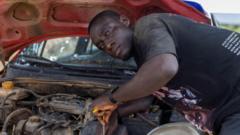
Ghana is at a critical juncture as it heads towards pivotal elections, marked by a pervasive sense of unease and disillusionment among its youth. Nathaniel Qainoo, a 29-year-old who has shifted from accounting to mechanic work due to a lack of job opportunities, embodies the struggles many Ghanaians face in the current economic climate.The recent economic crisis, which has seen the government default on debt repayments, resulted in international credit downgrades, and inflation soaring to 54%, has left citizens like Qainoo feeling hopeless about their country's future. "The hardship" has become an echoing sentiment in Ghana, especially after the local currency, the cedi, plummeted 70% against the dollar over the past eight years.A potential glimmer of hope arrived in the form of a $3 billion bailout from the International Monetary Fund, aimed at helping the nation recover. However, for many, including Qainoo, this assistance feels insufficient. He has decided not to participate in the upcoming elections, stating, "I don't know how this country is going to be saved from this crisis."With nearly 40% of the population being young, a significant number of them are contemplating emigration, seeking better prospects abroad. Unemployment stands at 14%, amplifying the urgency of meaningful change. In this atmosphere, the election battle between John Mahama and Mahamudu Bawumia—the two leading presidential candidates—has largely revolved around addressing the economic fallout.Bawumia, who has been Vice President under Nana Akufo-Addo, serves as the New Patriotic Party's candidate, and his campaign hinges on a promise to create a “digital economy.” His focus includes training one million young people and generating job opportunities in tech and digital sectors. Yet, he carries the burden of the current administration's poor economic management, which has damaged his previously lauded reputation as an economic expert.Meanwhile, Mahama aims to make a comeback after losing the presidency in 2017, anchored in his campaign tagline of "resetting the economy." Despite his assurances, many remember his earlier tenure marked by an infamous energy crisis and corruption claims. Critics question his capacity to bring genuine reform, pointing to past failures.Both candidates have proposed tax cuts to combat the cost-of-living crisis, but analysts remain skeptical about how these promises would fit within an IMF recovery plan demanding governmental revenue increases.As the election date approaches, polling suggests a close contest, with Mahama slightly ahead. However, margins of error mean nothing is guaranteed, increasing the stakes for both candidates. Ultimately, the outcome could define the future direction of Ghana amidst calls for accountability and effective governance.
