In brief
An order demanding that schools, colleges and coaching centres screen all books for 'objectionable' content has inflamed tensions in Kashmir. Critics see the move as a crackdown on dissent, while officials claim it protects national security. The directive follows previous bans on 25 books, including works by Arundhati Roy, and stems from political clashes over textbooks that allegedly glorify separatist leaders. Students, academics and opposition parties argue that the ruling strips Kashmir of its contested history. The debate highlights broader concerns over state control and educational autonomy in the region.
Authorities in Indian-administered Kashmir have issued a sweeping order demanding that schools, colleges, universities and coaching centres scrutinise all books and research papers on their premises for material that could offend religious sentiments, violate laws or threaten the nation’s security. The directive calls for those publishers that are found objectionable to be reported to the authorities.
In the statement, officials say they are not restricting reading but removing texts they deem factually inaccurate or unlawful – statements that “promote, glorify, legitimise or justify terrorism, violent extremism, secessionism or radicalisation.” The order, which came a week after the BJP‑led opposition uncovered school‑library books that allegedly glorified separatist leaders, still leaves the definition of “objectionable” vague.
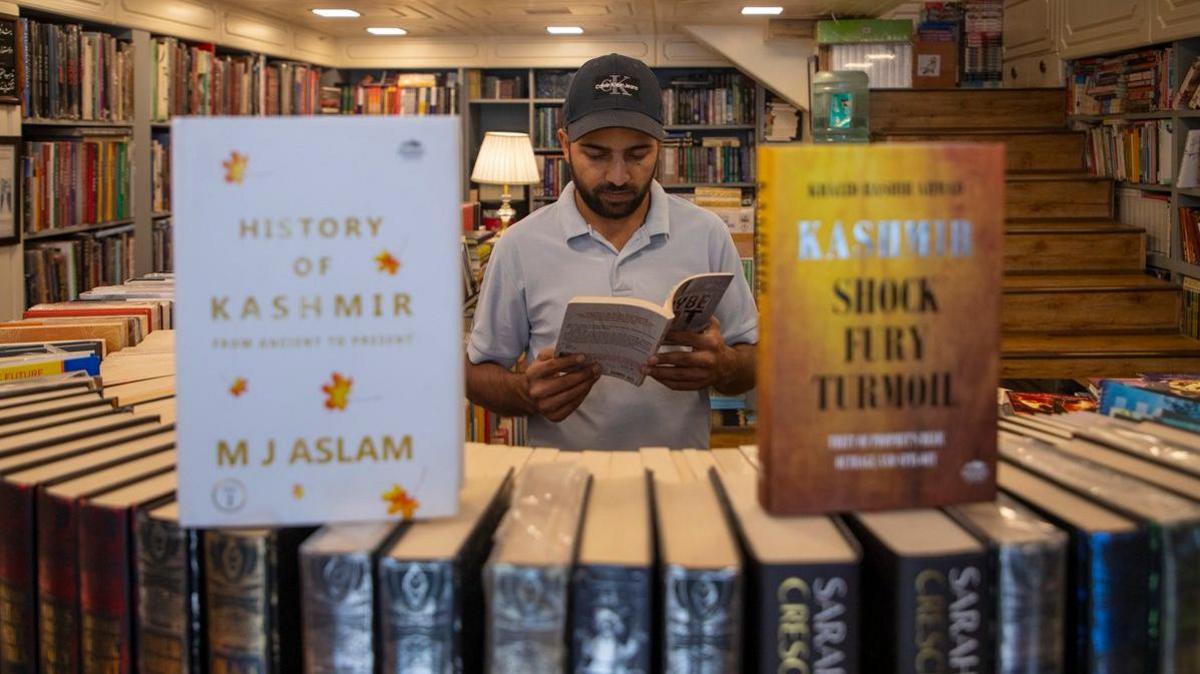
Last year, a total of 25 books were banned, including celebrated works by Nobel‑prize winner Arundhati Roy and scholar A. G. Noorani. Those bans are now being challenged in court, with scholars arguing that the move violates the constitutional right to freedom of speech and expression. Several academics and students have warned that the crackdown risks erasing Kashmir’s turbulent history and undermining academic freedom.
The policy has sparked a heated political debate. Critics call it part of a broader pattern of surveillance and repression, while supporters from the ruling National Conference and the BJP argue that the aim is simply to prevent unnecessary controversies in educational settings. The BJP spokesperson Sunil Sethi warned that glorifying separatists under the guise of academic freedom could destabilise peace.
Throughout Kashmir, security forces remain on high alert. In previous months, police raids on bookstore stacks in Srinagar resulted in the seizure of hundreds of titles, citing concerns over the promotion of a banned Islamic organisation’s ideology. Opponents claim that many of these books merely explore the region’s complex political past.