In brief
A relentless smog in Lahore has led to severe air quality issues, prompting school closures and health warnings. With readings surpassing 1,000 on the air quality index, the city faces an unprecedented crisis attributed to both local pollution sources and transboundary factors.
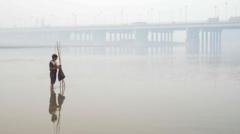
A dense layer of smog has engulfed Lahore, affecting daily life for its 13 million residents and leading to alarming health risks. Initially deceptive, the air's toxicity becomes evident as temperatures drop, with an acrid smell hinting at the danger present. Without protective masks, residents are left vulnerable, suffering from itchy throats, sneezing, and respiratory distress— symptoms particularly dangerous for children and the elderly.The air quality in Lahore has deteriorated to hazardous levels, often exceeding an Air Quality Index (AQI) of 1,000. Measures taken by Pakistani authorities have included school closures, work-from-home policies, and a “green lockdown” banning certain vehicles in high-pollution areas. Moreover, Lahore's High Court has mandated that markets in Punjab province close by 20:00 daily and shutter completely on Sundays.Experts warn that the situation may worsen. NASA's satellite imagery reveals the extensive smog and numerous fires resulting from stubble burning in neighboring India. This year, estimates indicate that between 15,500 and 18,500 fires have contributed to Lahore's pollution, with about 30% of the smog traced back to India. As stubble-burning is a common agricultural practice, efforts from the Indian government— such as increased fines for violators—may slow but not eliminate the issue.Beyond agricultural factors, Lahore's smog crisis is exacerbated by its five million motorbikes and heavy traffic. Additionally, emissions from factories, including coal-fired brick kilns, compound the city’s air quality problems. As cold air from the Tibetan plateau settles over the region, it traps pollutants, creating a toxic blend.Reports indicate over 900 people seeking medical assistance for respiratory aggravations, and local pulmonologists note a significant rise in asthma and other airway complaints. Residents like Sadia Kashif express frustration over the government's reactive approach, arguing for more proactive measures rather than temporary solutions like school closures.While the Punjab Chief Minister has proposed “climate diplomacy” to address pollution issues collaboratively with Indian Punjab, local experts stress that air quality crises require sustained efforts rather than quick fixes. With October’s pollution levels showing an alarming 25% increase from the previous year, observers remain doubtful about the effectiveness of current policies. As a grassroots initiative, some advocate for transparent governance and long-term changes to ensure cleaner air for future generations.