In brief
In the early hours of 6 September, the Israeli Defence Forces carried out two air strikes on Kfar Roummane, a village in southern Lebanon, that left 12 civilians dead and several injured. The first attack destroyed a three‑storey residential building, killing eleven people, including two children and four women. A second strike on a vehicle killed a paramedic. Lebanese President Joseph Aoun condemned the escalation, warning that it could jeopardise the June ceasefire brokered with the United States. The Israeli military claims the strikes targeted Hezbollah‑linked infrastructure, citing a drone attack on Israeli troops as retaliation. The increased intensity of the conflict has prompted calls for international pressure on Israel to halt the attacks, amid ongoing humanitarian losses and displacement in the region.
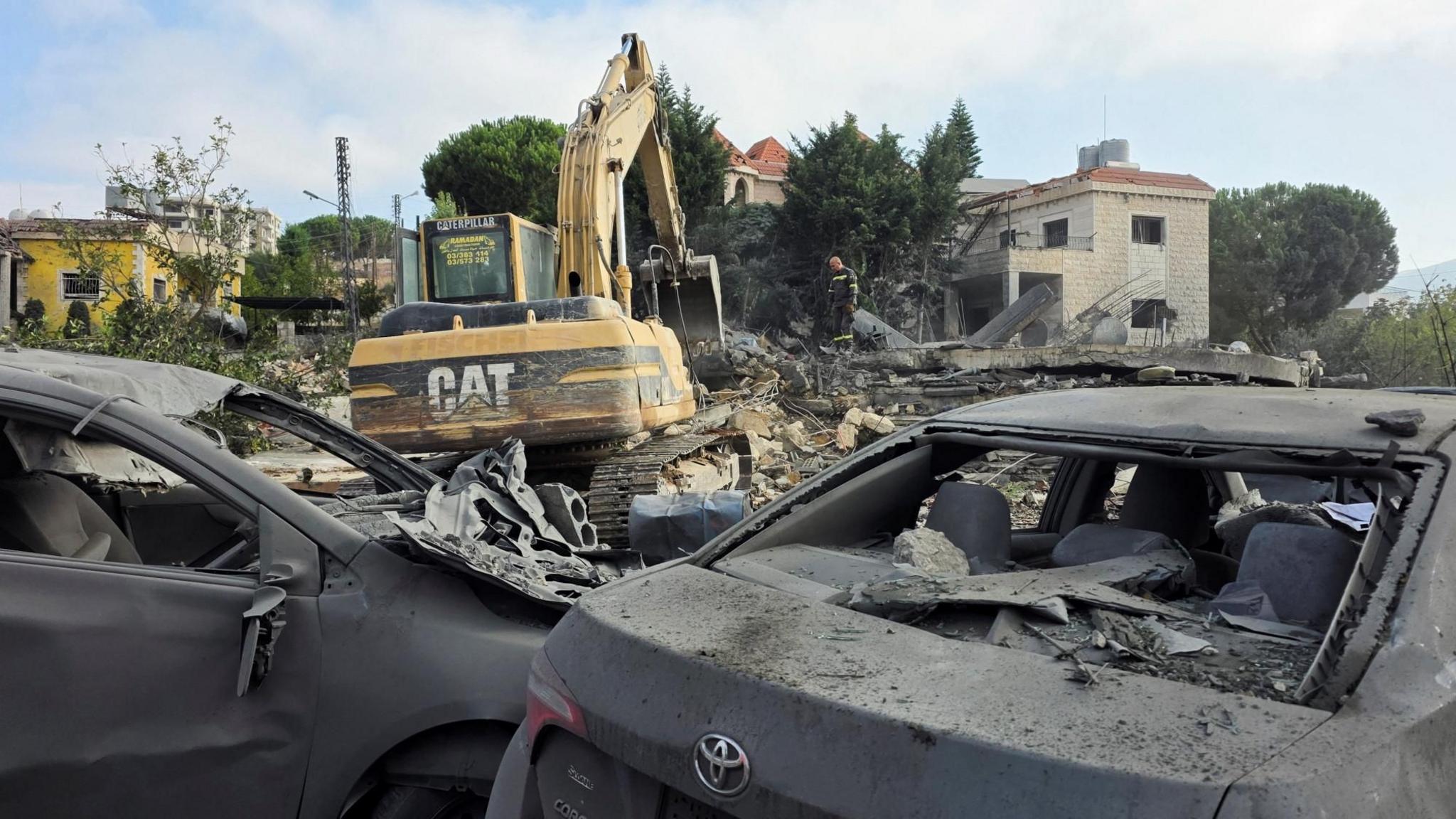
In the pre‑dawn hours of 6 September, the Israeli Defence Forces (IDF) launched two air strikes on the Lebanese village of Kfar Roummane. The Lebanese health ministry announced that 12 civilians, including children and women, had been killed and that several others were wounded.
The first attack destroyed a three‑storey housing building near the Shuyuiya roundabout, killing eleven people – four women and two children – and injuring eight, including three children and a paramedic from the Islamic Health Association, an emergency service linked to Hezbollah. The second strike hit a vehicle carrying paramedics from the Islamic Risala Scout Association, killing one and injuring two. The ministry said the fatalities were the latest evidence of what it called “grave violations of international humanitarian law” by the Israeli occupation.
President Joseph Aoun condemned the “dangerous escalation” and warned that it could jeopardise the June ceasefire brokered by the United States. He urged the international community to pressure Israel to stop the attacks.
The Israeli military said it had targeted “several Hezbollah terrorist infrastructure sites” across southern Lebanon, citing a drone attack by Hezbollah fighters on Israeli troops in the Ali al‑Taher ridge area as the trigger. The IDF also claimed it struck several fighters in the Nabatieh area following a separate drone strike.
Kfar Roummane lies only a few hundred metres from the “security zone” that Israel has occupied within Lebanese territory. Residents have again begun fleeing the area as attacks increase.
Images of the night‑time strikes and maps of the Israeli‑controlled security zone illustrate the conflict’s geography. In a testimony to the BBC, a resident named Sara Moallaem, 35, described how she and her five children fled their home after hearing the explosions and later decided to move to Sidon for safety.
With 27 deaths reported in southern Lebanon in the past three days, the situation remains tense. The ceasefire agreement, which calls for Hezbollah disarmament and a gradual Israeli withdrawal, has been rejected by Hezbollah, which deems the terms “cross all red lines.”