In brief
Iran’s foreign ministry announced a deal with Oman to open a limited‑duration shipping corridor through the strategic Strait of Hormuz. The agreement, still in final stages, sets precise coordinates for vessels but does not eliminate security concerns linked to the United States’ blockade of Iranian ports. Although Oman has said the corridor will remain open for 2‑4 months, higher‑level talks with Washington continue to lag, leaving global oil prices volatile and maritime security uncertain.
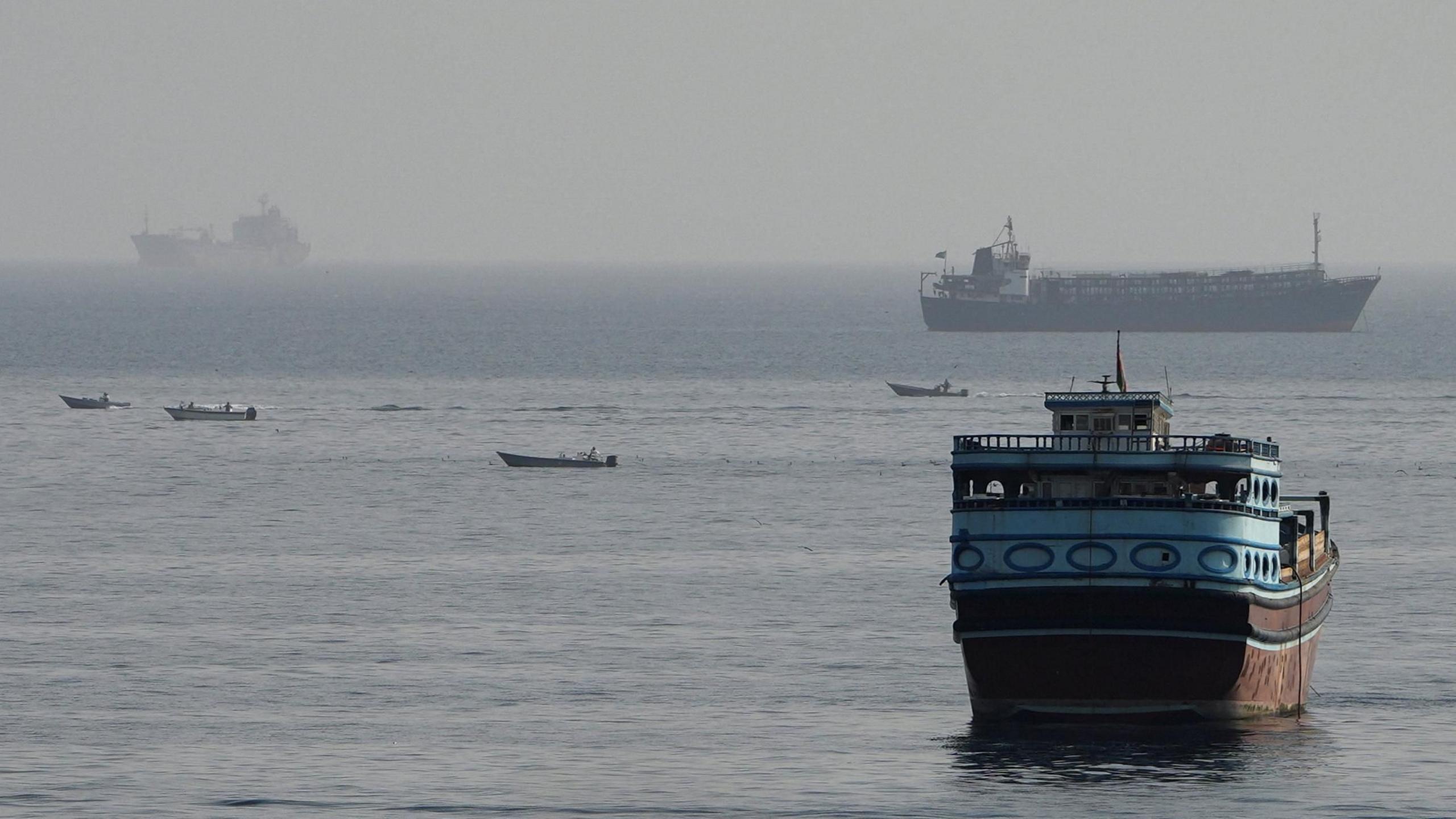
Iran’s foreign ministry announced that it has reached an agreement with Oman on a temporary shipping corridor through the Strait of Hormuz, a vital artery that carries roughly a fifth of the world’s oil and liquefied natural gas.
The deal, described by spokesman Esmaeil Baqaei as "in the final stages," was reportedly built around the geographical coordinates of the new route.
Baqaei cautioned that opening a corridor does not resolve underlying security concerns, noting that the United States’ naval blockade of Iranian ports remains a key obstacle.
Since the war that began in February 2026, the strait has seen a steep decline in traffic, with Tehran demanding advance clearance before vessels can pass and threatening to fire on those that ignore its order.
Oman officials have said the corridor will be open for a limited period—between two and four months, according to Iranian deputy foreign minister Kazem Gharibabadi—but higher‑level negotiations are still pending.
The United States has been maintaining a blockade of Iranian ports and a separate blockade on Saudi Arabian ports, imposed by Yemen’s Iran‑backed Houthi rebels. The blockade has kept global oil prices volatile.
While Tehran asserts it is not negotiating with Washington for a comprehensive reopening, the strategic significance of the Strait of Hormuz remains a centerpiece of international trade and geopolitical tension.