In brief
A 7.7‑magnitude earthquake struck Indonesia’s Flores island early Saturday, killing 53 people and displacing around 5,000 residents. Rescue teams are still combing the rubble as the region experiences 341 aftershocks. Buildings, schools, and hospitals are heavily damaged, prompting the National Disaster Management Agency to supply emergency supplies and urge residents to stay away from coastal areas. The disaster is the deadliest in the region since 2022, highlighting Indonesia’s vulnerability to tectonic activity on the Pacific Ring of Fire.
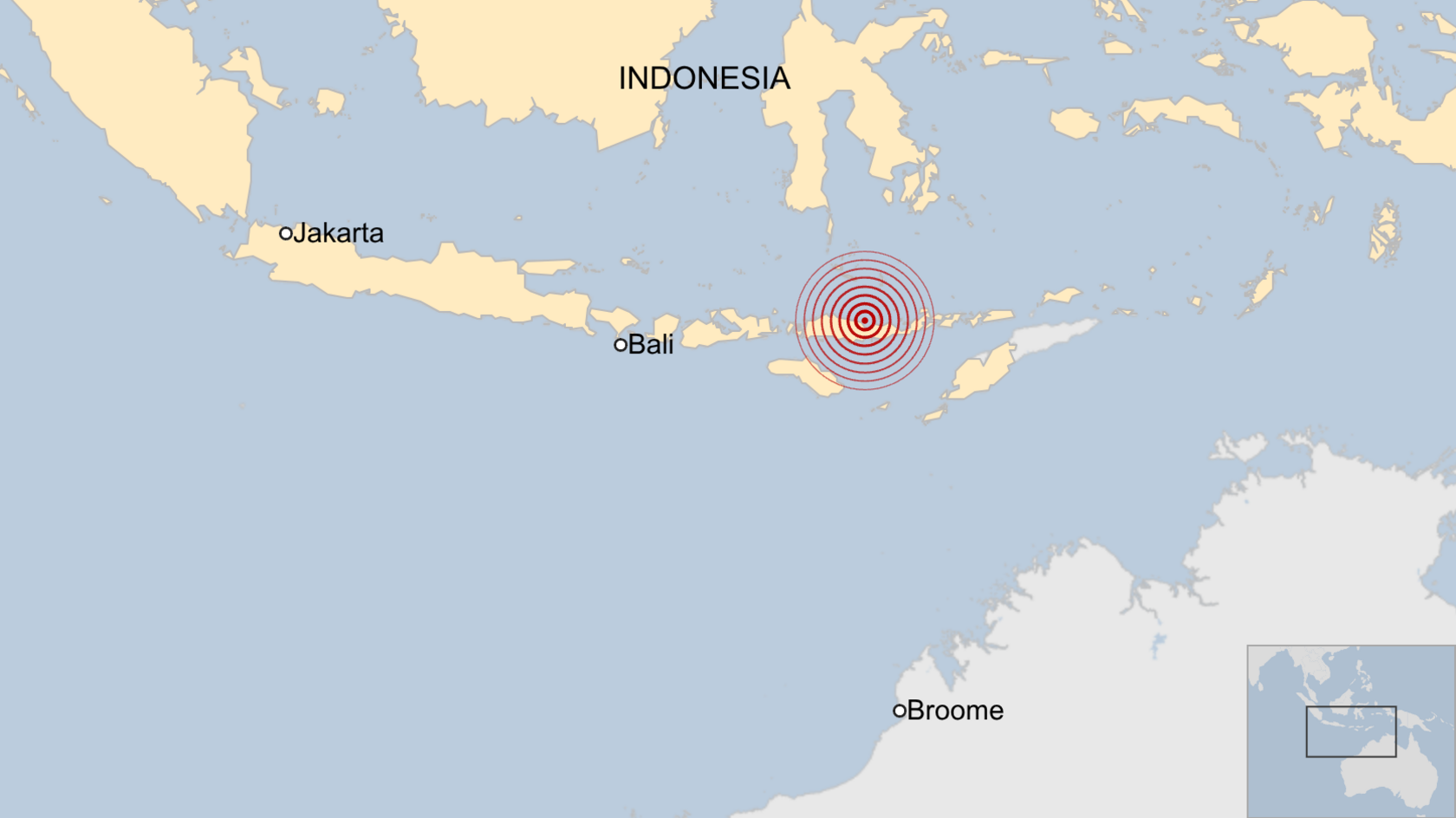
On Saturday, a shallow 7.7‑magnitude earthquake struck the island of Flores in Indonesia’s East Nusa Tenggara province, killing 53 people, displacing almost 5,000 residents and sparking a wave of aftershocks.
Rescue crews are combing the rubble and checking every building, as the National Disaster Management Agency (BNPB) reports 341 aftershocks have already followed the initial quake. Preliminary damage estimates show more than 900 homes and hundreds of other structures, including schools, clinics and government offices, suffered serious damage.
Industrial‑scale emergency supplies have been dispatched to Manggarai, where the largest casualty toll—25 deaths—was recorded. The deputy health minister reported 36 serious injuries and 77 minor injuries across East Nusa Tenggara.
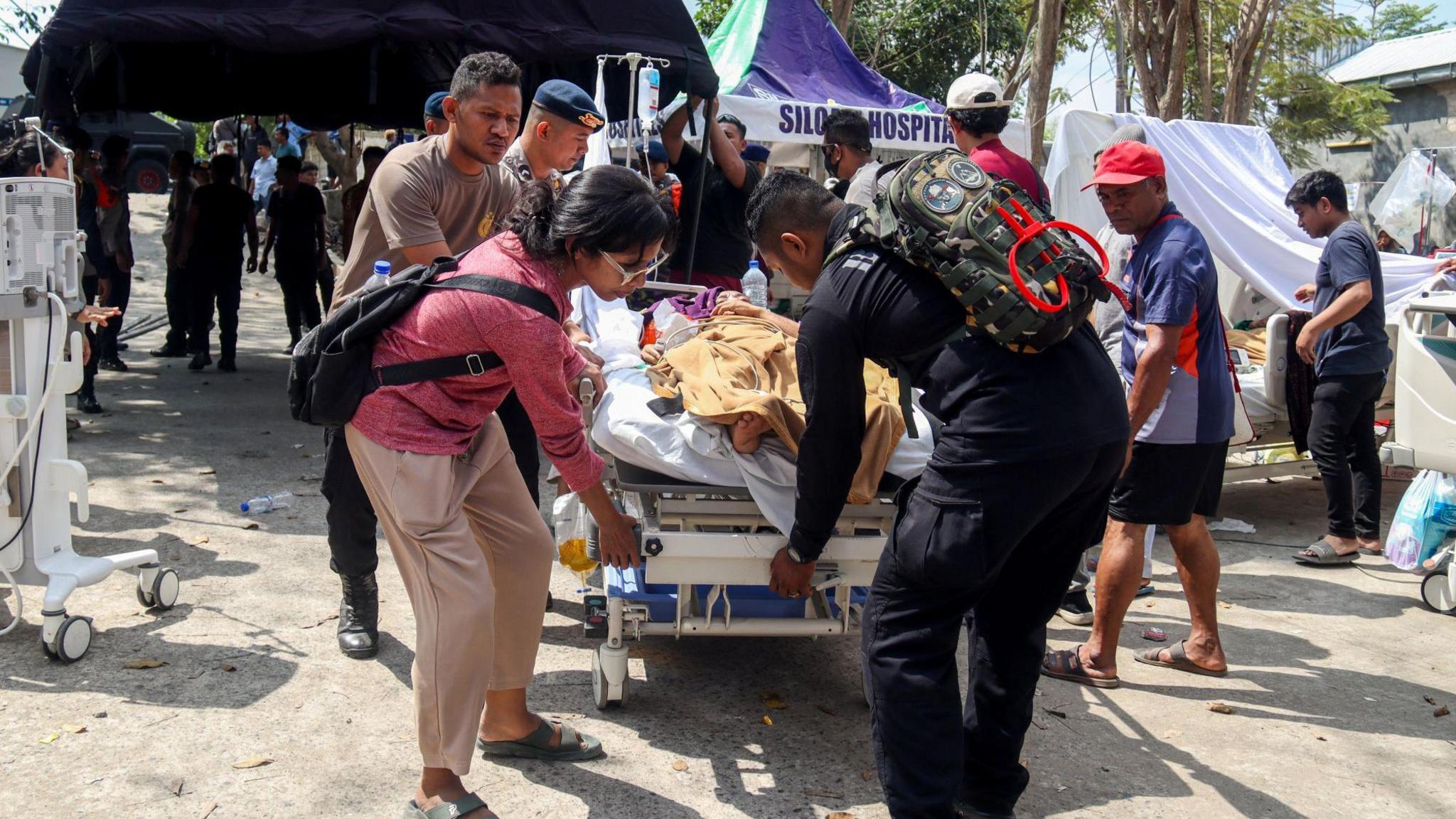
Hospitals, such as the Ruteng Regional Hospital, now operate from temporary tents in the open air while waiting for official medical aid. “We heard that medical assistance would be provided, but nothing has arrived yet,” a hospital spokesperson said.
A significant aftershock has raised caution in the area, prompting BNPB to advise residents to stay calm, keep away from coastal zones, and avoid damaged structures while rescue teams work to free trapped civilians. Asia’s ancient “Ring of Fire” proves its peril as the earthquake sent the region into a state of emergency.