A game‑changing move in Budapest’s Parliament
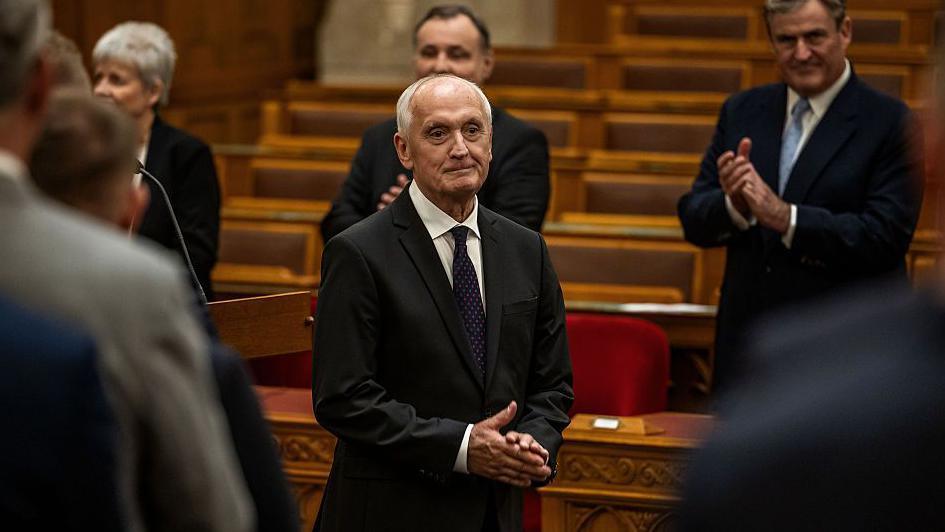
The Hungarian Assembly dissolved the presidency of Tamás Sulyok, a loyalist to the fallen Viktor Orbán, with a 17th constitutional amendment voted by a two‑thirds majority of the new Tisza‑party deputies. The amendment ends Sulyok’s court term, removes Constitutional Court judges over 70, and bars MPs who have served three terms from re‑election.
Sulyok has only five days to sign the package or send it to the court. If he refuses, Prime Minister Magyar said he would launch impeachment, automatically suspending the president. A resignation could avert a constitutional crisis at a time when Hungary is already facing international pressure for rule‑of‑law reforms.
Fidesz, which now occupies only six seats after Orbán’s landslide defeat, walked out of the chamber before the vote, branding the amendment a tyrannical tool. In the backdrop, the former president barely keeps a public face, traveling abroad to watch the World Cup final as his party’s base roils and its number two, Gergely Gulyás, steps down.
The newly elected Prime Minister encourages the nation to see the change as a “wind of change” that can release Hungary from an entrenched, rule‑making state. Yet critics argue that a single draft can reshape state institutions almost overnight – exactly how the 2011 constitution, written by Orbán, did in 2010.
A former Supreme Court head, András Baka, told the BBC that the country had been in a state of law from 1989 to 2010 before moving into a sophisticated authoritarian regime designed to survive electoral setbacks. “It is very difficult to dismantle such a system,” he said.

Image source: EPA/Shutterstock