In brief
A fire that erupted west of Agios Vasileios in central Greece on a windy Friday has trapped around 500, mostly tourists, forcing an evacuation by sea for 200 and an additional 100 by boat. The blaze—part of a wave of wildfires threatening Europe—also struck Crete, Chira, and several Greek islands, while Spain and Portugal report the largest fires in years. Rising temperatures and a dry‑fuel climate are turning these incidents into widespread disasters.
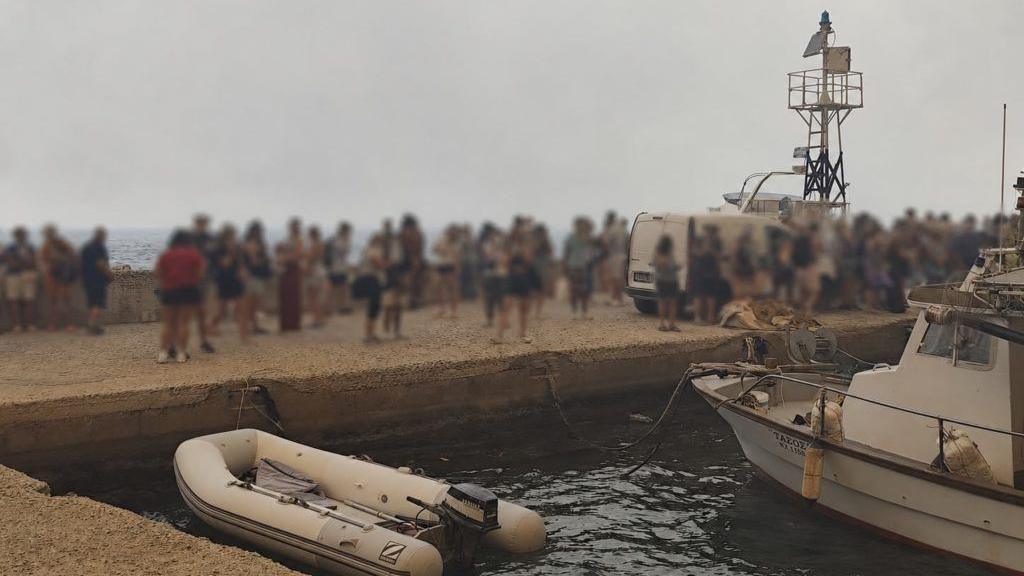
In central Greece, a wildfire that erupted near Agios Vasileios has stranded around 500 people—most tourists—within the town’s tight space. With high winds fanning the blaze, authorities have turned to sea‑based evacuation.
More than 200 residents were already pulled off the coast, and an additional 100 are scheduled for evacuation by boat. Local media say the residents were advised earlier to move inland before the fire reached the outskirts.
While the fire burned across farmland and the rural town of Xironomi, another blaze erupted further along Greece’s coast. The wildfires continued across the island of Crete, where firefighters are fighting hotspots that have scorched thousands of hectares and forced the temporary evacuation of around 8,000 people.
The central Greek region was identified as especially at‑risk due to the strong winds that hamper firefighting efforts. Emergency workers now work to clear those still trapped in Agios Vasileios.
These incidents fit a wider pattern: Europe is contending with several large‑scale wildfires. In Spain, over 200,000 hectares have burned in 2026—five times above the yearly average—while Portugal’s fires have also exceeded expectations, with a blaze in northern Portugal consuming about 15,000 hectares of vineyards and olive groves.
The latest heatwave has amplified risks, sparking urgent warnings of potential fires around Madrid and elsewhere through Sunday. Turkey’s Mediterranean coast now hosts four active fires, with 206 cases reported since Wednesday.
The surge of wildfires is largely traceable to climate change. A mild, wet winter facilitated lush vegetation, which then rapidly dried under successive heat spells—creating ample fuel for the flames.