In brief
Intense monsoon rains have produced flash floods and landslides across Bangladesh, killing 51 people and displacing over a million. The deadliest incidents occurred in Cox's Bazar, where more than half of the deaths are located. Governments are evacuating families, postponing exams and relying on Flood Forecasting and Warning Centre predictions. In Dhaka, traffic is stalled as knee‑deep waters flood streets. Climate change is intensifying rainfall patterns, adding urgency to flood‑risk management.
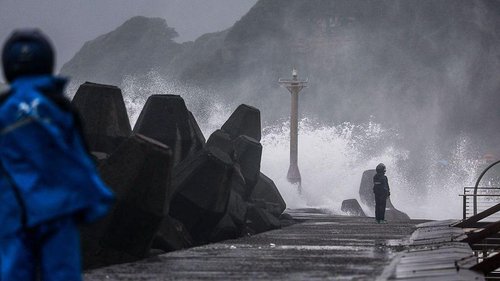
Heavy rainfall has turned into a catastrophic emergency across Bangladesh, killing at least 51 people and forcing millions into evacuation shelters.
Thousands of homes were destroyed in flash floods and devastating landslides that hit the capital Dhaka and the eastern districts, especially Cox’s Bazar, home to the world’s largest Rohingya refugee camp.
Bangladesh’s low-lying topography and extensive river network make it vulnerable to seasonal monsoon, but scientists say climate‑change is making the rain heavier and more erratic.
The flooding began more than a week ago and intensifying conditions have forced the government to issue warning alerts, evacuate vulnerable communities and postpone school exams.
By Sunday, authorities reported over 1 million people affected, with 28 of the 51 deaths occurring in Cox’s Bazar. The district’s large Rohingya population has been especially vulnerable.
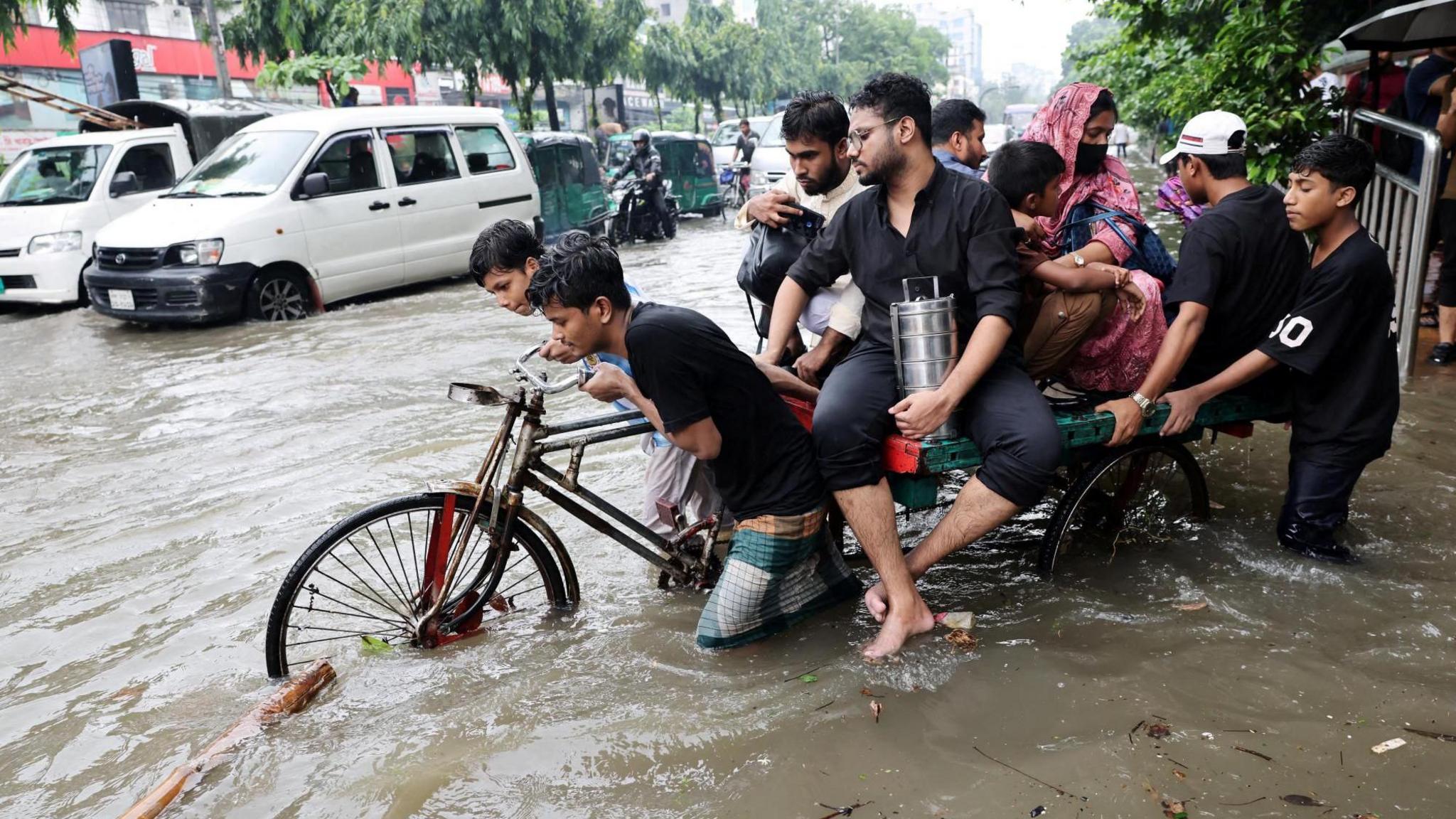
In Dhaka traffic is slowed as streets are inundated, some rising to knee‑deep levels. Mayor officials are concerned that the drainage system, which has long been inadequate, is not coping with the magnitude of the flood.
Flood Forecasting and Warning Centre chief Sarder Udoy Raihan told AFP the situation in the southeast is likely to improve soon, yet the monsoon is still affecting northern regions and “a possibility of further inundation” remains.