Hamas Names Khalil al-Hayya as New Commander Amid Strategic Rift
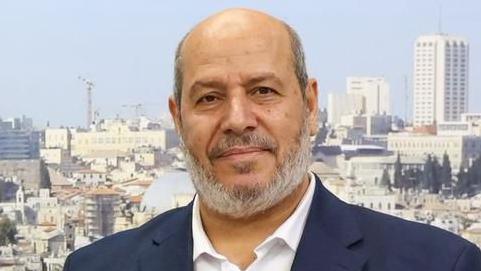
The Palestinian armed group Hamas has elected Khalil al‑Hayya as its new overall leader, a statement says.
Al‑Hayya replaces Yahya Sinwar, who was killed by the Israeli military in Gaza in October 2024. He had already headed the movement in Gaza from exile and is widely seen as representing the hard‑line faction that emerged after the war that began almost three years ago. His leadership is linked to the political line of former leader Ismail Haniyeh.
Al‑Hayya has led the group’s delegations at indirect ceasefire talks and met mediators in Egypt and Qatar. He recently took on larger responsibility for the movement’s diplomatic and political strategies.
In September 2025, the 65‑year‑old survived an Israeli air strike that targeted a Hamas meeting in Doha. Five lower‑level group members were killed, along with a Qatari security guard. Israel’s prime minister said the strike targeted Hamas leaders because they had organised the October 7, 2023 attack on Israel that triggered the Gaza war.
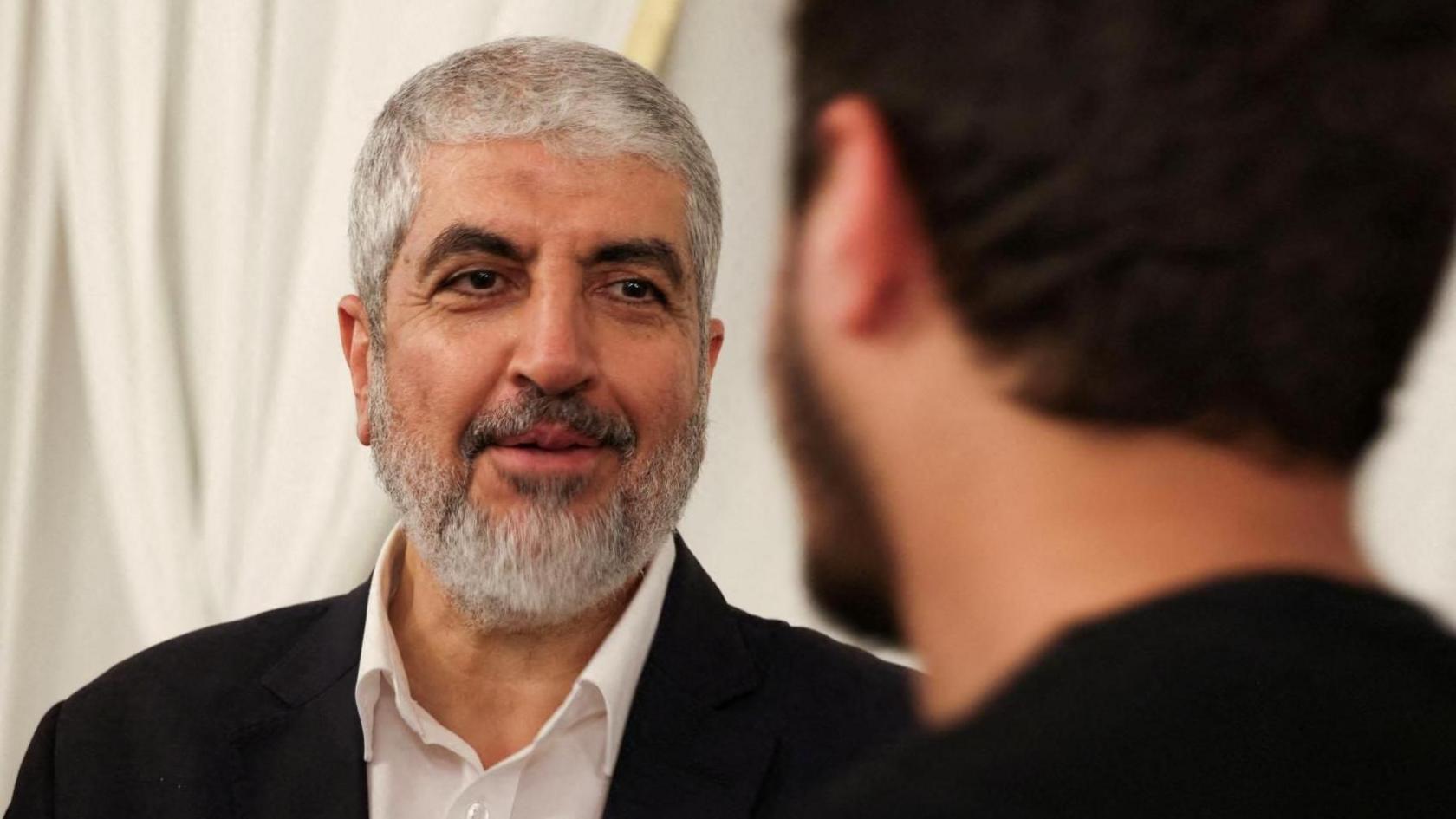
Al‑Hayya’s election followed two rounds of voting. The first was inconclusive: former political bureau chief Khaled Meshaal narrowly won more votes than al‑Hayya but did not reach the required 36‑vote threshold out of 69. In the second round, a simple majority decided the winner.
The election exposed a widening strategic divide within Hamas. Mahyya supporters argue for a move away from armed confrontation towards a pragmatic political approach; al‑Hayya’s camp insists that Gaza’s leadership should remain firm against concessions, especially over disarmament, and that weapons can’t be abandoned without a clear path to Palestinian self‑determination and statehood.
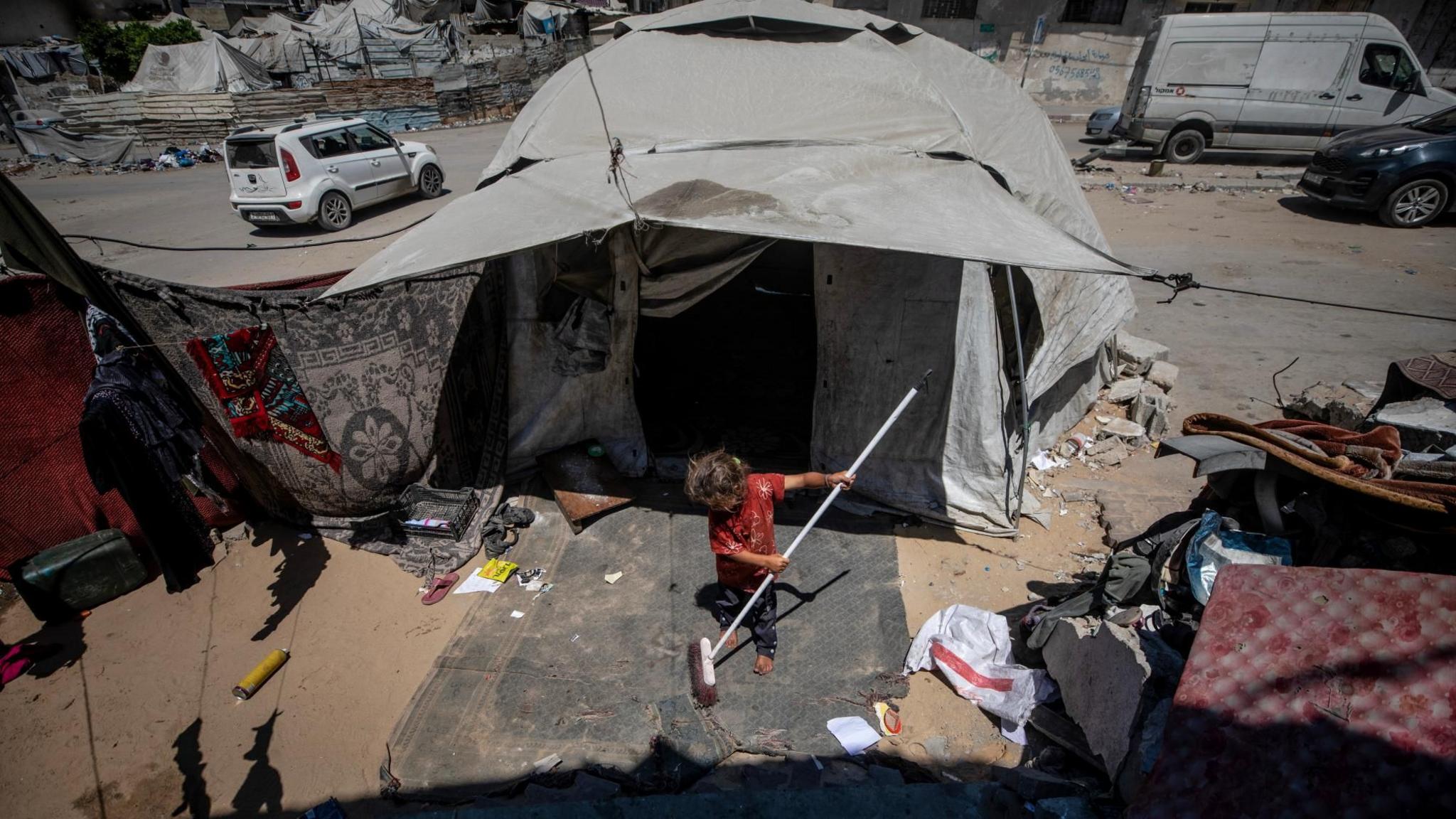
Hamas is presently in one of the most difficult periods in its history. The group, designated as a terrorist organisation by Israel, the UK, the US and others, has suffered severe losses during the Gaza war, with many senior leaders killed, its governing structures dismantled and large parts of Palestinian territory destroyed.
The leadership contest underscores the clash between two visions: a hardened stance on armed resistance versus a more pragmatic approach to politics after the war. The outcome will shape Hamas’s strategy, its engagement with international mediators, and its future role in the region.
Since a ceasefire deal with Israel last October, Hamas has refused to disarm without guarantees for political progress. The group rejects US‑led peace plans prioritising immediate demilitarisation over reconstruction.
Key figures such as al‑Hayya have survived multiple Israeli targeting attempts, and the group’s difficulty in establishing secure governance reflects the ongoing tension in Gaza.
About 1,200 Israeli casualties and 251 hostages were reported in the 2023 attack; Israel’s military response in Gaza has cost more than 73,280 lives, with 1,158 deaths recorded since the ceasefire began, according to Hamas-run health ministry data.