In late July 2026, the world watched as the first serious proposal for Hamas to disarm in Gaza emerged. The deal—optimistic but fraught—tied the surrender of Hamas’ arsenal to an Israeli withdrawal from a majority of Gaza’s territory.
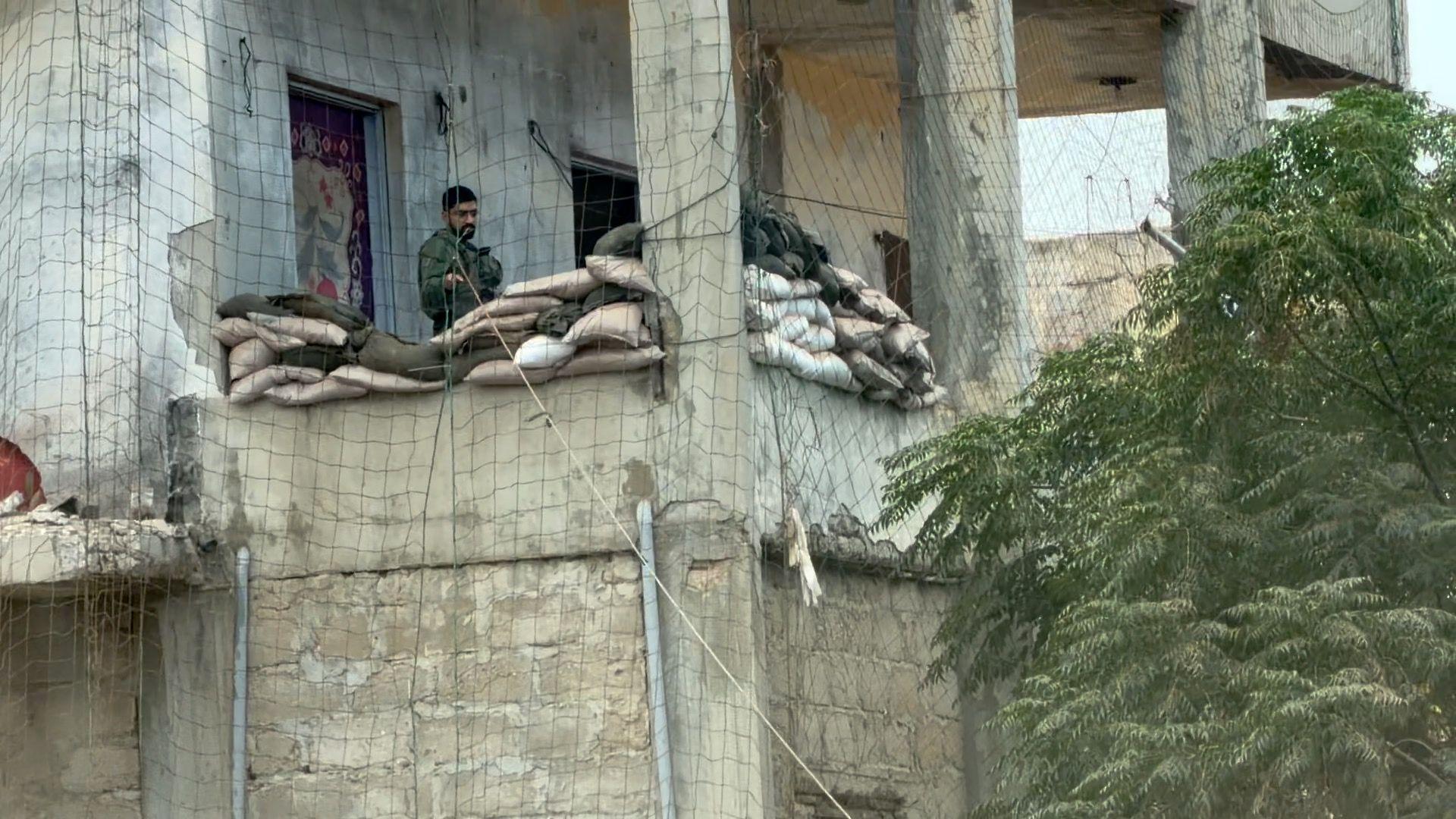
Israel’s insistence on full disarmament reflects deep security anxieties: it fears the group could re‑arm if left on the ground. Netanyahu’s government, already stretched by domestic politics and an impending election, faces pressure to maintain a hard‑line stance, while the United States—beset by its own political showdown—must decide whether it will continue to champion the plan.
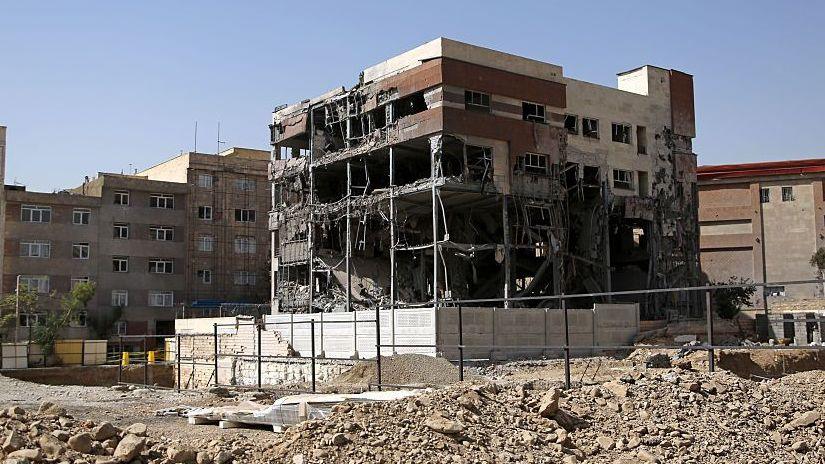
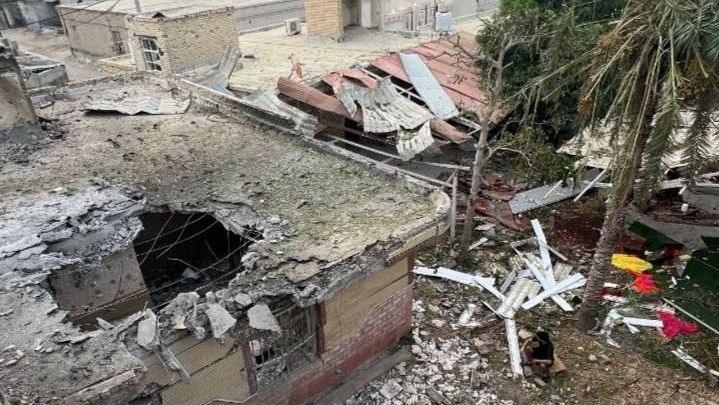
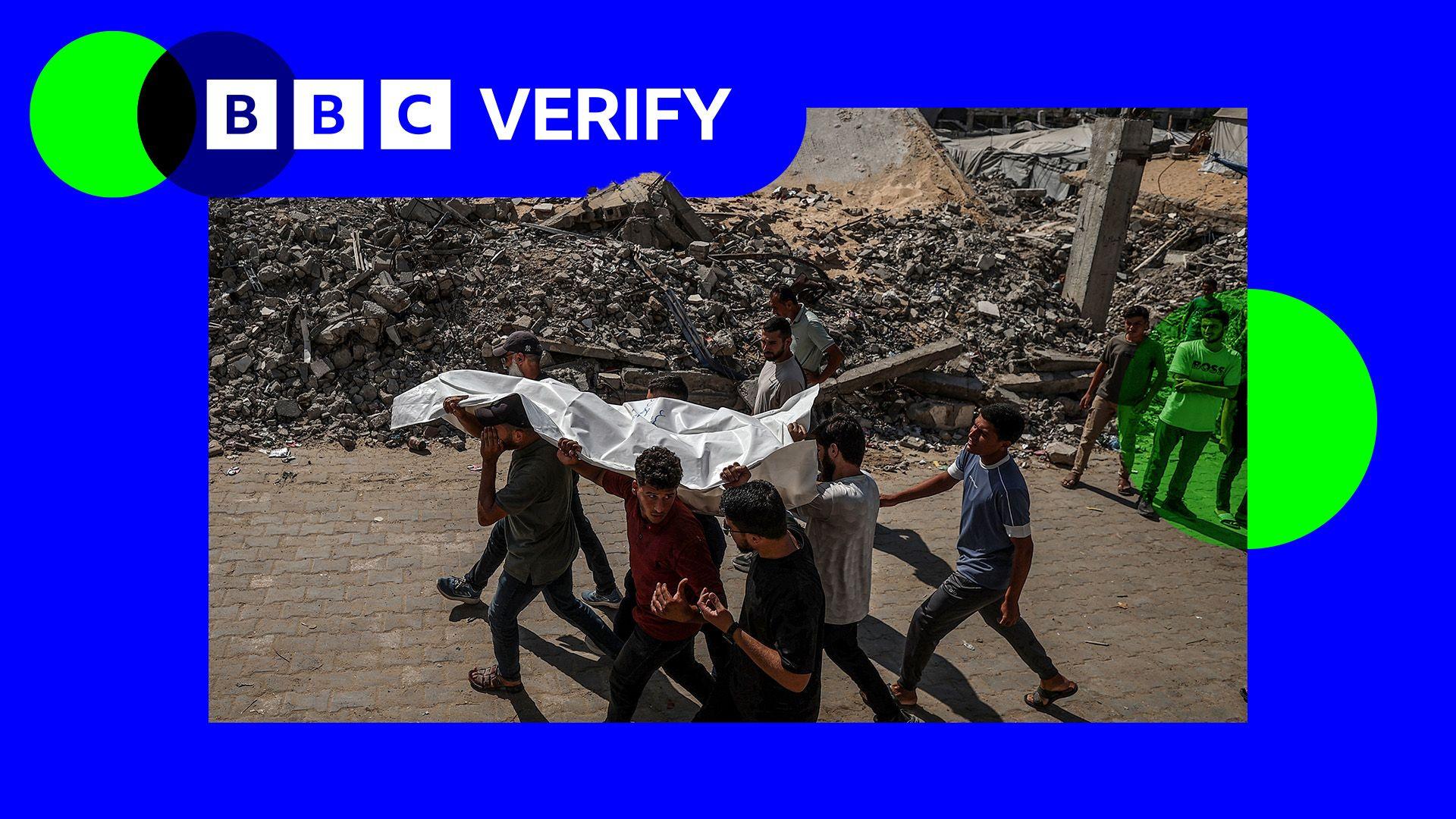
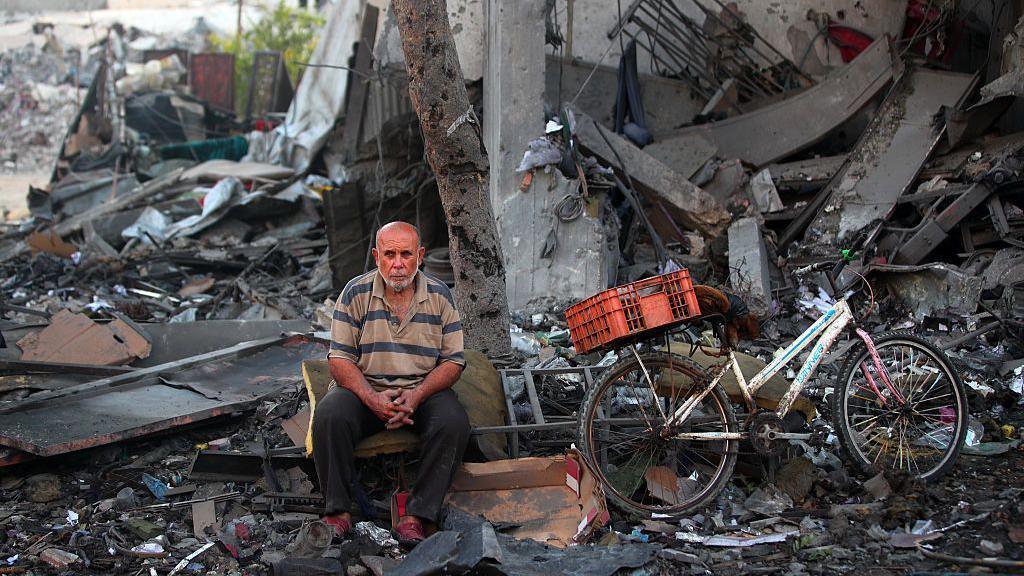
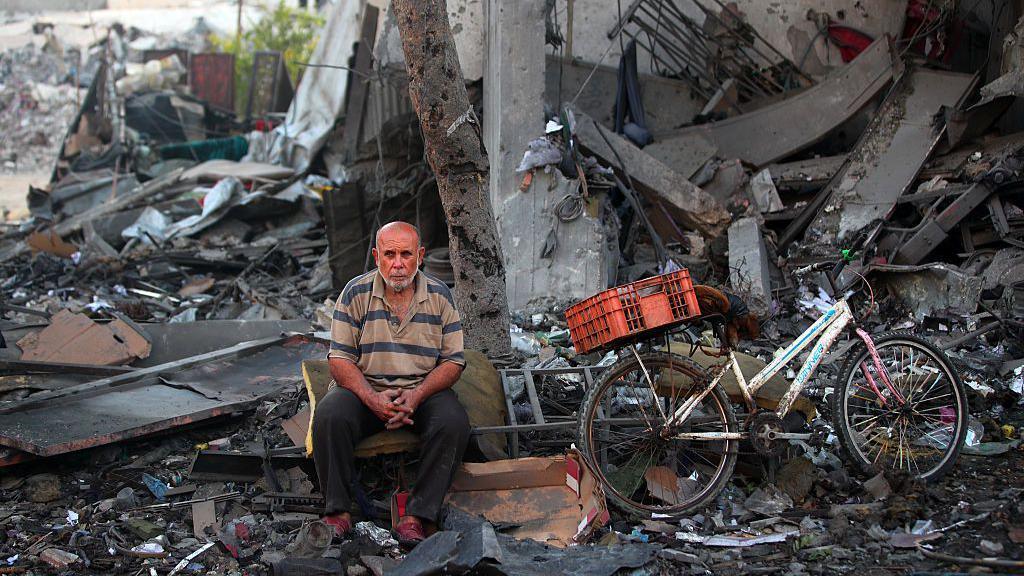
Gaza’s people have endured unimaginable hardships: over 70,000 Palestinians are reported dead, thousands more wounded, and millions displaced with homes reduced to rubble. In the rubble, children—often the first to flee—find themselves trapped under debris. A photo of a young girl seated on cracked earth illustrates a grim reality that any political resolution must seek to address.
The disarmament frame was pushed forward by diplomats in Cairo and Ankara, led by newly‑confirmed Hamas political chief Khalil al‑Hayya. While the gesture appears historic, the path is dotted with challenges: trust deficits on both sides, entrenched powers threatening a “clean‑seaside” outcome, and the risk of a sudden political collapse if the plan stumbles.
The possibility of a step‑by‑step confidence‑building process is touted as a realistic route. A swift withdrawal could signal a shift in policy, but will require sustained diplomatic engagement and the willingness of both parties to compensate for intrusion and loss.
Some analysts argue that if the plan falters, it could embolden hard‑liners on both sides, reinforcing a war‑fueled status quo and eroding any remaining prospects for a Palestinian statehood. The stakes, therefore, reach far beyond a simple battlefield tactic—they touch on the very prospects for a future, stable homeland.