In brief
In a shift toward stronger executive rule, Guinea‑Bissau voters approved a new constitution that expands presidential powers, allowing the head of state to appoint the prime minister and cabinet and dissolve parliament in crisis. The decision, staged by a military junta, was met with a boycott by the PAIGC, who argued the process lacked democratic safeguards. The provisional results show a 70‑to‑30 split in favour of the reforms, with turnout close to 60%. Far‑reaching changes risk concentrating limited power in the presidency and may undermine the country’s fragile transition to civilian rule.
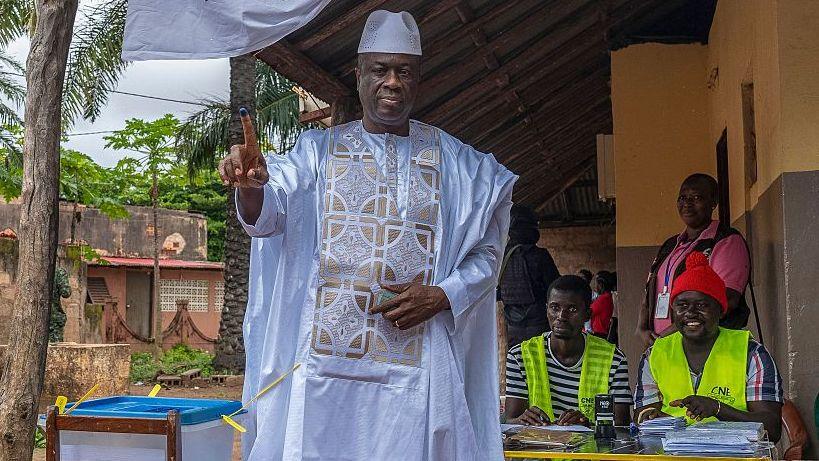
Voters in Guinea‑Bissau approved a new constitution on Sunday, giving the president sweeping powers to appoint and dismiss the prime minister and cabinet, create or abolish ministries and dissolve parliament in times of crisis.
The move, organised by a military junta that seized power last November, faces a boycott from the main opposition party, the African Party for the Independence of Guinea and Cape Verde (PAIGC), who criticised the lack of democratic safeguards.
Results released by the electoral commission show 70% of voters backed the changes, while turnout was almost 60%. The constitution reduces the number of parliamentary seats from 102 to 65 and cuts constituencies from 29 to 12.
Strongly opposed by opposition leaders, the reforms threaten to consolidate presidential dominance at the expense of the semi‑presidential system and may embolden the military’s grip ahead of December elections.
Analysts say the new charter risks entrenching the junta’s authority, signalling a step away from democratic transition and raising concerns over the country’s fragile political fabric, already strained by narcotics trafficking.