In brief
The seaside town of Fujisawa is in the midst of a heated debate over its first mosque, with residents expressing both support and anxiety. The construction site, currently a grass field, is slated to become a place of worship, prompting anti‑mosque protests and online hate. Local businesses urge dialogue, while Muslim community members recount rising hostility. The story reflects national concerns about immigration and identity amid a shrinking, ageing population. Japan’s handling of foreign residents and the push for new workers underscores the complexity of maintaining social cohesion.
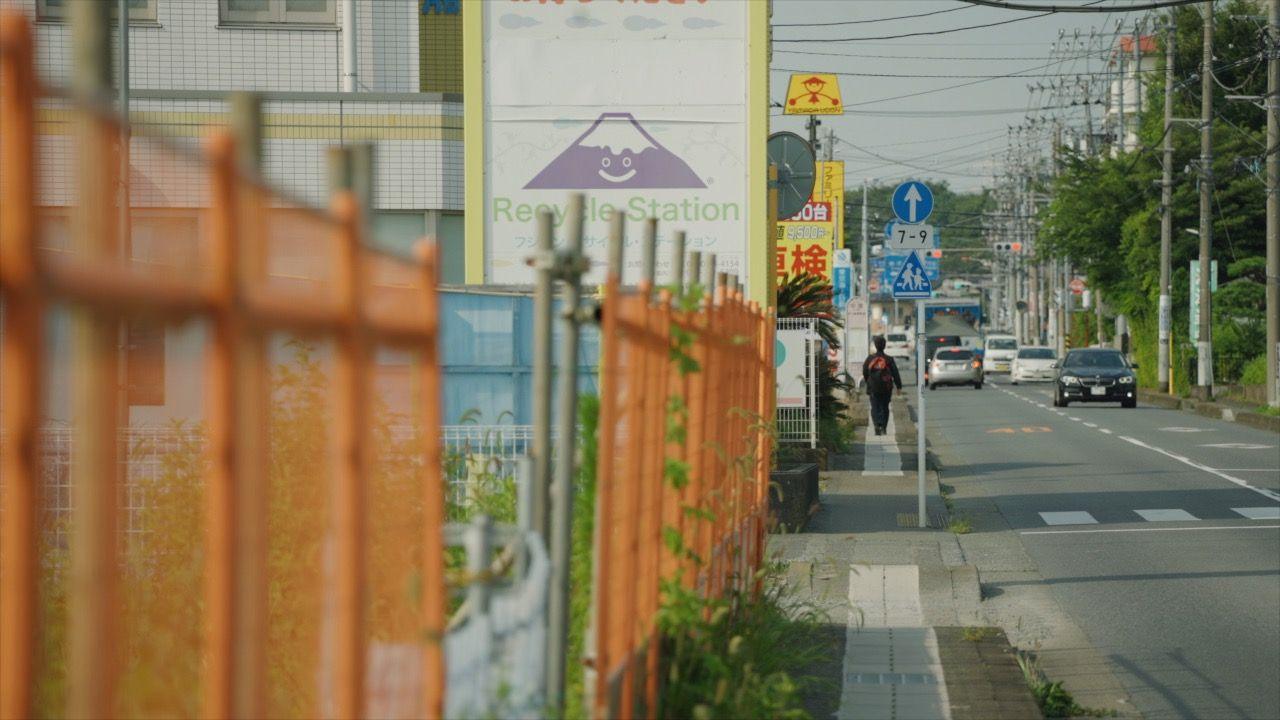
Today the town square of Fujisawa is a field of grass that will soon give way to the country’s first mosque. Long‑time resident Noriko Izumizawa admits her worries: “It makes me worry about how our community might change.”
The proposal has generated anger, fear, hope and acceptance. With a shrinking, ageing population, Japan increasingly hires foreign workers, bringing a range of cultures, languages and religions to towns that have historically been homogenous.
The debate in Fujisawa is a microcosm of Japan’s national conversation on identity. Some residents fear loss of tradition, while others see the mosque as a symbol of openness.
Community Reaction
In early December, thousands gathered at the local train station to protest the mosque’s construction. The movement claimed that a mosque larger than the nearby Shinto shrine would be disrespectful. Hate‑speech and misinformation trended on social media, prompting mosques to report abusive calls and emails.
Local business owner Hiroki Suzuka, who runs a coffee shop opposite the future site, welcomes dialogue. He says, “I am not particularly opposed, but I would not say strongly in favour either. Learning about them, about Islam and their values is the first step.”
Stories From Muslim Residents
Businessman Mohamed Mohideen, who resides in Osaka, recounts a change in tone toward Muslims. “Online comments now include ‘Get out of Japan’ and ‘Go back to your own country’,” he says. He says he never feels personally threatened, yet notices hostility in everyday interactions.
Mohideen believes building bridges was overlooked: “We focused on work and did not make enough effort to help people understand who we are.” He vows to foster dialogue and mutual respect.
Government Response
Japan’s government recently increased visa fees fivefold and is set to boost Immigration Services personnel. While the country remains cautious about large‑scale immigration, the growing number of Muslim residents—about 420,000 in 2024—questions how diversity can coexist with cultural cohesion.
In his own words, Izumizawa admits she has no negative experience with a Muslim neighbour, but acknowledges she worries about the unknown. The debate raises a simple yet profound question: can Japan evolve into a more diverse society while preserving the sense of identity it values?