In brief
A month after the devastating earthquakes that struck La Guaira, families are still combing through collapsed apartment buildings for the remains of loved ones. Authorities report more than 5,300 deaths, while estimates of missing bodies could climb to 50,000. BBC correspondent Will Grant returned to the towns he visited after the tremors, witnessing the ongoing anguish and endurance of locals. The article sheds light on the human cost of the disaster and the slow, painful process of recovery.
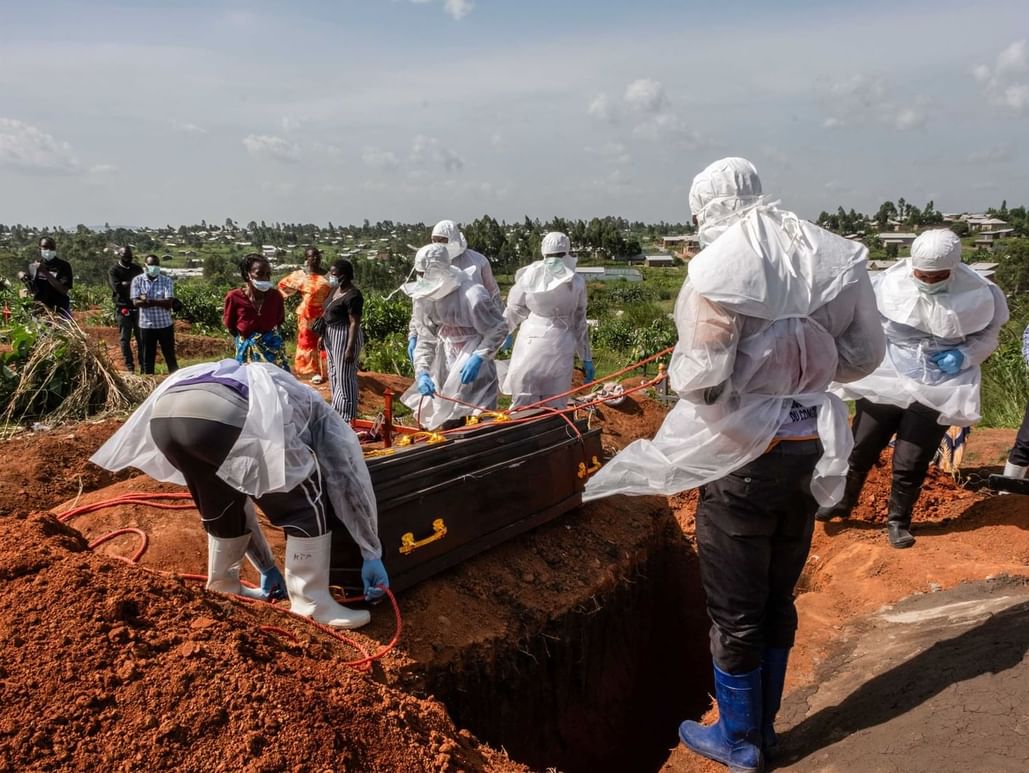
In the coastal town of La Guaira, families are still combing the rubble of collapsed apartment buildings a month after twin tragic earthquakes struck the region on 24 June. The sight of pick‑up trucks, long‑sandwiched stairs of debris and the chilling silence only heightens the grief of those who have yet to discover the fate of their loved ones.
Government officials say the death toll has climbed past 5,300, but the number of missing bodies could be far higher, with estimates ranging toward 50,000. The disparity between reported casualties and actual losses reflects both the scale of the destruction and the difficulty of extensive rescue operations in densely built neighborhoods.
BBC’s Latin America correspondent Will Grant first visited La Guaira days after the tremors, capturing the immediate aftermath and the resilience of its residents. When he returned just a month later, the landscape was unchanged in many ways, but the persistence of the search added a sobering layer to the narrative of recovery.
The relentless efforts of families—often without formal resources or professional support—highlight the human toll beyond raw statistics. As the region continues to rebuild, stories of hope, courage, and communal solidarity emerge amid the ruins.